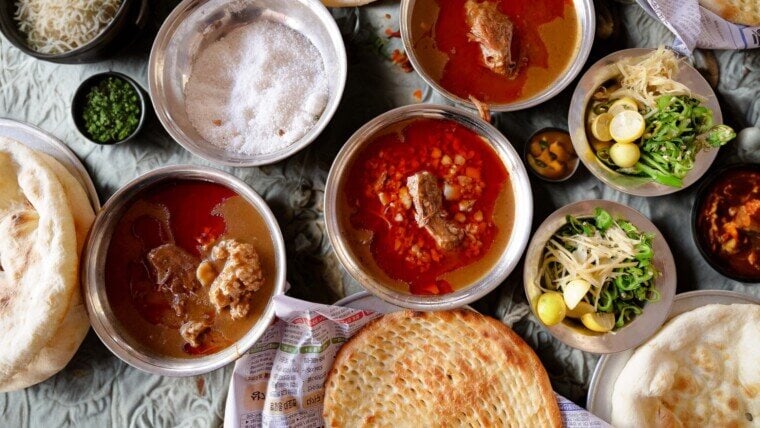
Calculating the caloric content of Pakistani foods is essential for individuals aiming to manage their dietary intake, maintain a healthy lifestyle, or achieve specific health goals. Pakistani cuisine has a historical significance of diverse favoring, often characterized by rich spices, various cooking methods, and a blend of ingredients that can make calorie estimation challenging.
This article provides an up-to-date, detailed guide on accurately calculating calories in Pakistani dishes, incorporating traditional foods and modern tools.
Understanding Caloric Components in Pakistani Cuisine
To effectively calculate calories, it’s crucial to understand the primary components contributing to the energy content in foods:
Carbohydrates
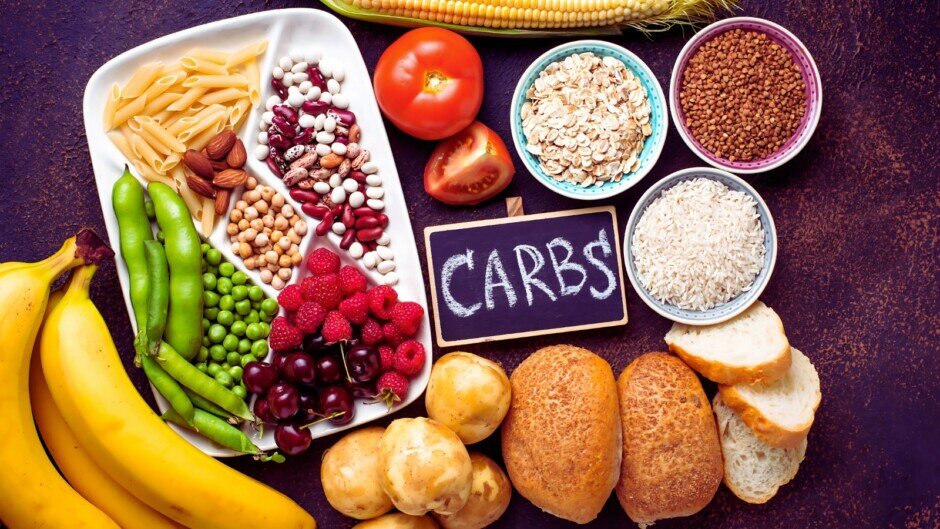
(4 calories per gram): Found in rice, bread (roti, naan), and starchy vegetables like potatoes.
Proteins
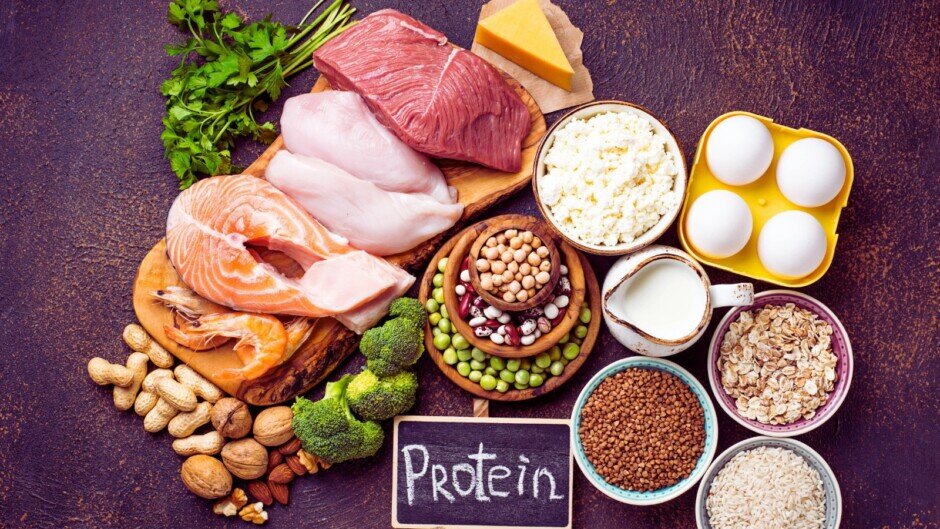
(4 calories per gram): Found in meats (chicken, beef, lamb), legumes (lentils, chickpeas), and dairy products.
Fats
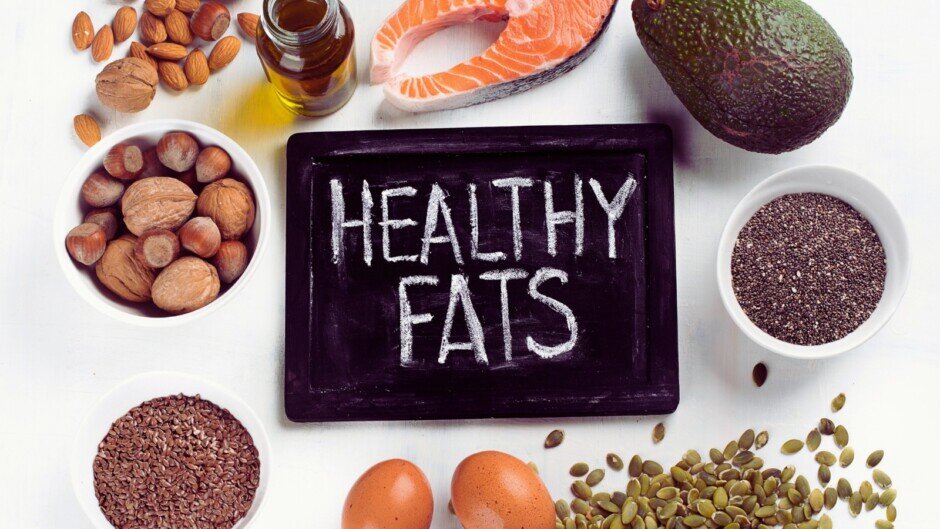
(9 calories per gram): Found in cooking oils (ghee, mustard oil), nuts, and dishes prepared with cream or butter.
Steps to Calculate Calories in Pakistani Dishes
Step 1: Identify Ingredients and Their Quantities
List all components used in the recipe along with their amounts. Using a kitchen scale can enhance accuracy.
Step 2: Determine Caloric Values of Individual Ingredients
Here is how you can get some insight into the nutritional values of what you consume:
- Grains:
- Whole wheat flour (atta): 364 calories per 100g
- White rice (cooked): 130 calories per 100g
- Meats:
- Grilled chicken: 165 calories per 100g
- Beef curry: 250 calories per 100g
- Legumes:
- Boiled lentils (dal): 116 calories per 100g
- Vegetables:
- Potatoes (boiled): 77 calories per 100g
- Spinach (cooked): 23 calories per 100g
- Oils and Fats:
- Ghee: 112 calories per tablespoon (13g)
- Mustard oil: 124 calories per tablespoon
Step 3: Calculate Total Calories for the Dish
All you have to do is to multiply the quantity of each ingredient by its caloric value. Sum them in the end to obtain the total caloric content of the dish.
Step 4: Determine Serving Size and Calories per Serving
Divide the total calories by the number of servings to find the caloric content per serving.
Example Calculation: Chicken Curry
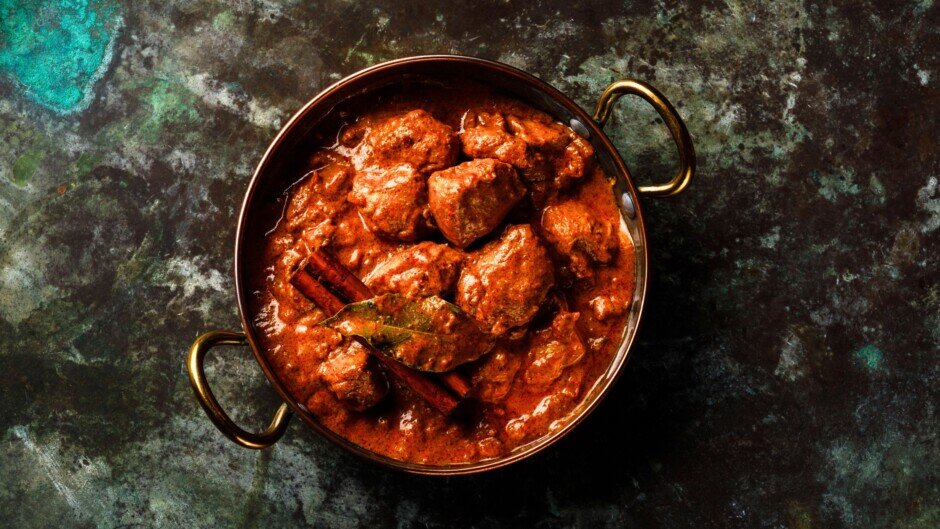
- Ingredients
- Chicken (skinless): 500g
- Onions: 200g
- Tomatoes: 150g
- Cooking oil: 3 tablespoons (approx. 39g)
- Spices (garlic, ginger, turmeric, etc.): Negligible calories
- Caloric Values
- Chicken: 165 calories per 100g → 825 calories
- Onions: 40 calories per 100g → 80 calories
- Tomatoes: 18 calories per 100g → 27 calories
- Cooking oil: 124 calories per tablespoon → 372 calories
- Total Calories 825 + 80 + 27 + 372 = 1,304 calories
- Calories per Serving (assuming 4 servings): 1,304 ÷ 4 = 326 calories per serving
Utilizing Calorie Tracking Tools and Resources
For better accuracy and convenience, consider these resources:
- Mobile Apps:
- Online Databases:
- Food Composition Tables:
Tips for Accurate Calorie Calculation
- Be Mindful of Cooking Methods: Frying increases calories, while grilling or boiling retains fewer calories.
- Account for Portion Sizes: Traditional serving sizes can be larger than standard portions.
- Consider Ingredient Variations: Different brands of the same ingredient may have different calorie counts.
- Include Accompaniments: Side dishes like raita, chutneys, or naan also contribute to calorie intake.
Conclusion
Calculating calories in Pakistani food involves ingredient identification, precise measurement, and knowledge of cooking methods. Using modern tools and portion awareness, individuals can effectively manage their dietary intake. We hope that this article will help you in calculating calories in Pakistani food.