
Ramadan is often seen as a time for spiritual reflection and self-discipline. However, for many, it also becomes a season of indulgence, especially after fasting hours. This holy month can be a perfect opportunity not just for spiritual growth but also for initiating healthy habits, including weight loss.
If you’re seeking how to lose weight throughout Ramadan. In such case, this comprehensive guide provides realistic, up-to-date solutions for meeting your fitness goals while keeping your energy and spiritual focus.

Stay Hydrated: Prioritizing Water Intake
Hydration plays a crucial role in maintaining your metabolism and controlling hunger. During Ramadan, staying hydrated can be challenging due to the long fasting hours, but with proper planning, you can meet your hydration needs.
Tips for Staying Hydrated
- Aim for at least 8-10 glasses of water daily.
- 2 glasses at iftar (the meal to break the fast).
- 4-5 glasses between iftar and bedtime.
- 2 glasses at suhoor (the pre-dawn meal).
- Avoid caffeinated drinks like coffee, black tea, and soda, as they are diuretics and can cause dehydration.
- Opt for herbal teas, which aid digestion and promote hydration.
Break Bad Habits: Use Ramadan as a Reset
Ramadan offers an ideal opportunity to break unhealthy eating patterns and adopt better habits. Reflect on your lifestyle and identify the behaviors contributing to weight gain.

Questions to Consider:
- Why do you want to lose weight?
- What unhealthy habits (e.g., overeating, sugary snacks) have caused weight gain?
- How does improving your health align with your spiritual goals?
Tip: Make small, manageable changes. For instance, replace sugary drinks with water or herbal tea, and swap fried snacks for baked or grilled options.
Stay Active: Light Physical Activity
While fasting, it’s natural to feel less energetic, but staying active can boost your metabolism and enhance your overall well-being. You don’t need to engage in vigorous workouts during the day; light activities can be just as effective.

Recommended Activities:
- Take short walks indoors or after iftar.
- Practice light yoga to improve flexibility and reduce stress.
- Continue daily chores to maintain movement.
After breaking your fast, you can incorporate more intense workouts, such as cardio or strength training, for 20-30 minutes. Remember to stay hydrated and listen to your body.
Mindful Eating: Manage Your Diet Wisely

Your metabolism slows down during fasting, so it’s essential to manage portion sizes and choose nutrient-dense foods.
Suhoor (Pre-Dawn Meal)
- Opt for complex carbohydrates like whole grains, oats, and brown bread to provide sustained energy.
- Include lean protein sources (e.g., eggs, yogurt, or nuts) to keep you full longer.
- Add fruits and vegetables for fiber and essential nutrients.
Iftar (Breaking the Fast):
- Break your fast with dates and water as per tradition. Dates provide a quick energy boost, but they are consumed in moderation due to their high sugar content.
- Start with a light soup (lentil, vegetable) and a mixed salad.
- Choose one balanced main dish, emphasizing lean proteins, whole grains, and vegetables. Avoid fried and heavily processed foods.
Tip: Take a short break after the initial part of your meal. Perform Maghrib prayers, take a brief walk, and then resume eating. It prevents overeating and gives your body time to process the food.
Limit Sugar and Processed Foods
One of the biggest culprits behind weight gain during Ramadan is excessive sugar consumption, often from Ramadan-specific sweets and beverages.

Healthier Alternatives:
- Replace sugary drinks with infused water, coconut water, or fresh juices.
- Opt for natural sweeteners like honey or dates in moderation.
- Satisfy your sweet tooth with fruits, dried fruits, or small portions of healthier homemade desserts.
Post-Iftar Workout
Engaging in physical activity after iftar is more effective, as you can rehydrate and fuel your body.
Suggested Workouts:
- Cardio exercises like brisk walking, jogging, or cycling.
- Strength training to maintain muscle mass.
- HIIT (High-Intensity Interval Training) for quick calorie burn (consult a doctor or trainer if you’re new to intense workouts).
Don’t Skip Suhoor
Neglecting suhoor might cause low energy, excessive hunger, and overindulgence at iftar, let alone something highly disliked Islamically. Always give this meal top priority if you want your energy levels to remain constant across the day.
Focus on Spiritual and Mental Well-being
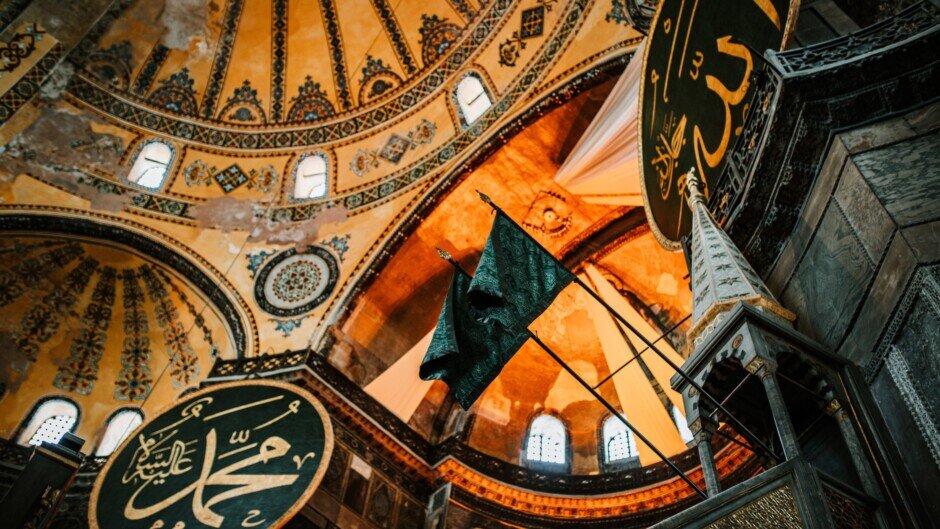
Remember that Ramadan is about both physical discipline and spiritual growth. Use this time to meditate, pray, and do things that nourish your spirit.
Tips to Stay Spiritually and Mentally Grounded:
- Increase your time spent in prayer and Quran recitation.
- Practice mindfulness and gratitude.
- Use moments of hunger as reminders to focus on your spiritual goals.
Conclusion: Ramadan as a Time for Transformation
Ramadan is a unique opportunity to reset both your body and soul. By staying hydrated, managing your diet, engaging in light physical activity, and focusing on spiritual well-being, you can achieve weight loss and overall health improvement. Remember, small, consistent changes can lead to lasting results.
Use this holy month to build healthier habits that can continue long after Ramadan ends. Losing weight is just one aspect: the true success lies in achieving balance in mind, body, and spirit.