Healthy & Delicious: How to Enjoy Pakistani Food Guilt-Free
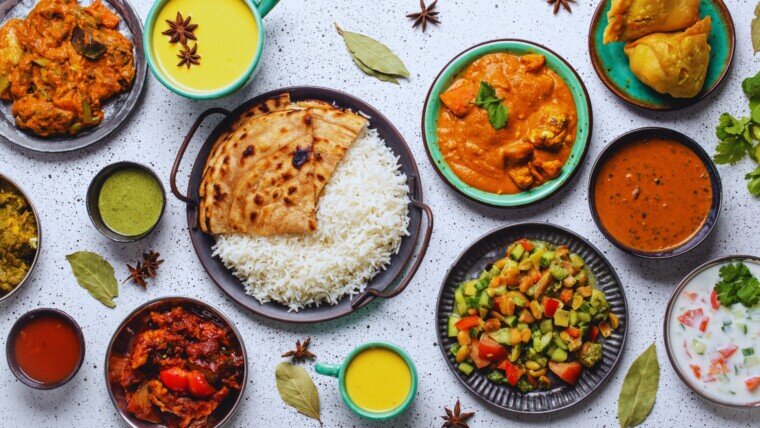
Imagine this: you’re at a family get-together with crispy golden parathas stacked high, crispy samosas screaming your name, chicken biryani smells filling the air. Your mouth waters, but a tiny voice in your head begs, “How many calories are in this?”
Though Pakistani cuisine honors strong tastes, the thick gravies and flatbreads loaded with ghee can be heavy in calories. You are not alone if you have ever struggled between eating healthily and indulging. The excellent news is what? You are not forced to decide. Staying on your health goals, you can enjoy every hot, soul-warming taste with a few clever tools and strategies.
This tutorial will walk you through how to calculate calories in Pakistani food, dissect the calorie counts of six well-known favorites, and provide doable ideas for lightening your meals without sacrificing their appeal.
Why Pakistani Cuisine Needs a Calorie Check
Pakistani food is a feast for the senses—think fragrant spices, tender meats, and breads that melt in your mouth. But behind the deliciousness lies a truth: many dishes are calorie-heavy. A single paratha or a bowl of nihari can tip the scales if you’re not careful.
Tracking calories helps you enjoy these foods without the guilt, whether you’re managing weight, diabetes, or simply aiming for balance. Plus, with modern apps and a bit of kitchen math, it’s easier than ever to know exactly what you’re eating.
Tools to Track Calories Like a Pro
Smartphone Apps: Your Pocket Nutritionist
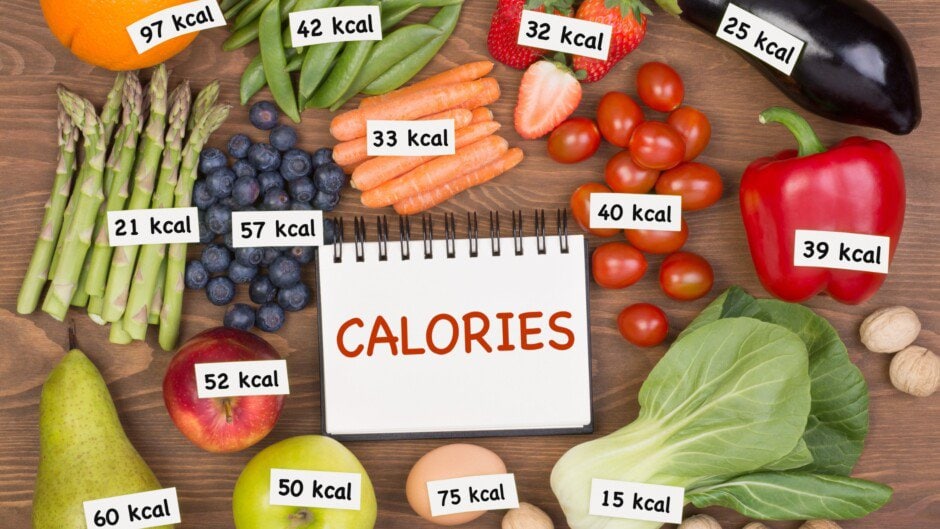
Apps like MyFitnessPal and Nutritionix are lifesavers for quick calorie lookups. Want to know how much that cup of chicken biryani costs you? Nutritionix pegs it at about 292 calories, while MyFitnessPal’s community entries range from 350 to 418 calories, depending on the recipe.
These differences show why it’s smart to double-check. Apps are great for convenience, but since some data comes from users, it’s not always perfect. Cross-reference entries or average them out for better accuracy.
Official Databases: The Gold Standard
For precision, nothing beats the FAO Food Composition Table for Pakistan (FAO Table). This resource lists nutrient values for staples like rice, wheat, and lentils, making it a favorite among dietitians. It’s super accurate but can feel like wading through a textbook. If you’re not a numbers nerd, stick to apps for everyday use and save the FAO table for when you need exact figures, like planning a diet.
Home Calculations: Get Nerdy in the Kitchen
If you’re cooking at home, you can nail calorie counts by weighing ingredients and doing some simple math. Carbs and proteins give you 4 calories per gram, while fats pack 9 calories per gram. Let’s say you’re whipping up chicken handi with 24g carbs, 12g protein, and 1g fat.
That’s 96 (carbs) + 48 (protein) + 9 (fat) = 153 calories. It takes a bit of effort, but it’s the most accurate way to track family recipes. Pre-packaged spice mixes often have nutrition labels, so check those too. For tricky dishes, a dietitian can break down the numbers based on your ingredients and health needs.
The Calorie Lowdown on Iconic Pakistani Dishes
Let’s get to the good stuff: what are your favorite dishes costing you calorie-wise? Here’s a deep dive into six classics, plus tips to lighten them up.
Chicken Biryani: The Party Star
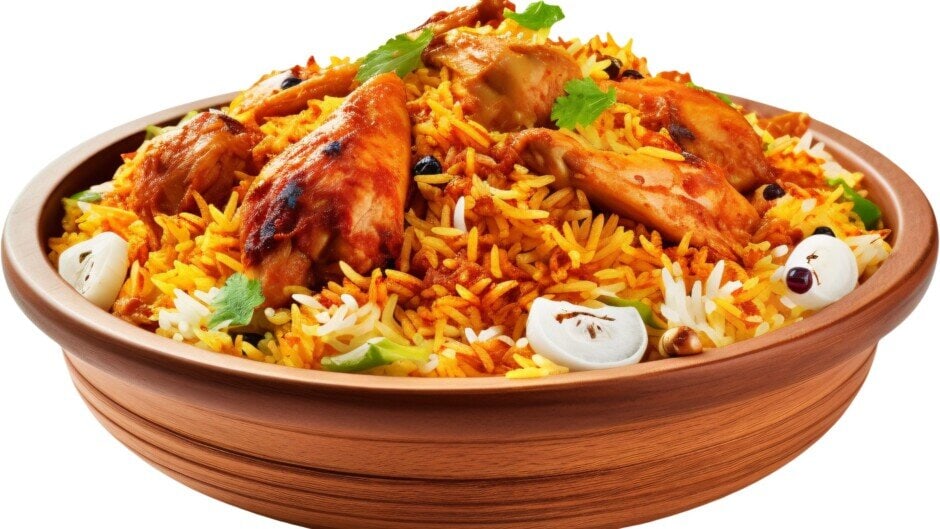
Biryani is the king of Pakistani feasts, with its fragrant rice, juicy chicken, and spice symphony. A home-cooked cup (205g) clocks in at about 292 calories, but restaurant portions can hit 725-850 calories thanks to extra ghee and richer gravies.
Want to enjoy it guilt-free? Swap white rice for brown and use half the ghee. You’ll shave off 200+ calories while keeping the flavor on point.
Paratha: Flaky Heaven
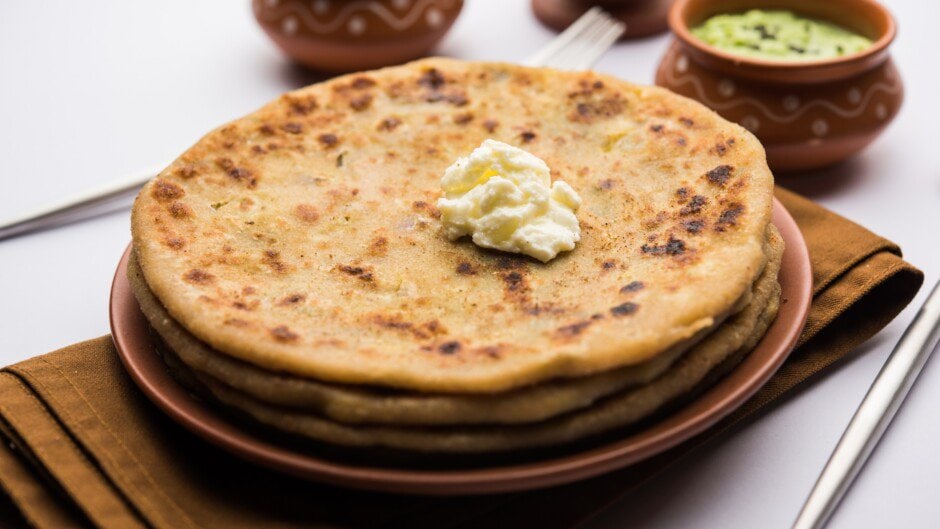
Parathas are pure comfort: crispy, buttery layers that pair perfectly with curry. A plain paratha (79g) has about 258 calories, but an aloo-stuffed one can range from 290 to 360 calories. To make them lighter, cook on a non-stick pan with minimal oil and toss some grated veggies into the dough. You’ll cut 30-40% of the calories and still have room for a side of yogurt or salad.
Chapli Kebab: Spicy Street Food
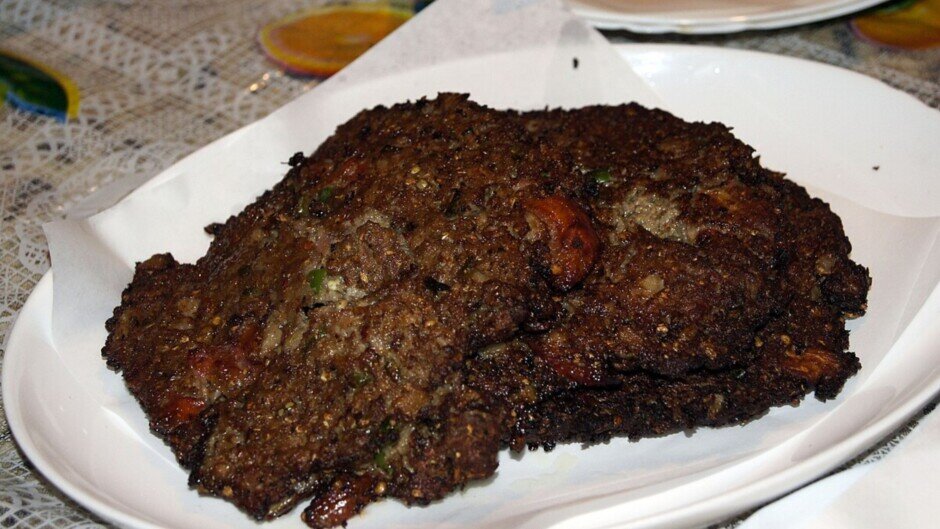
These spiced meat patties are a street food legend, packed with onions and peppers. A beef chapli kebab (64g) has around 120 calories, while a chicken version sits at 140-157 calories. But pair them with paratha or rice at a restaurant, and you’re looking at 600+ calories. Grill instead of fry and serve with a fresh salad to keep the meal under 300 calories without losing that bold taste.
Nihari: The Breakfast Champion
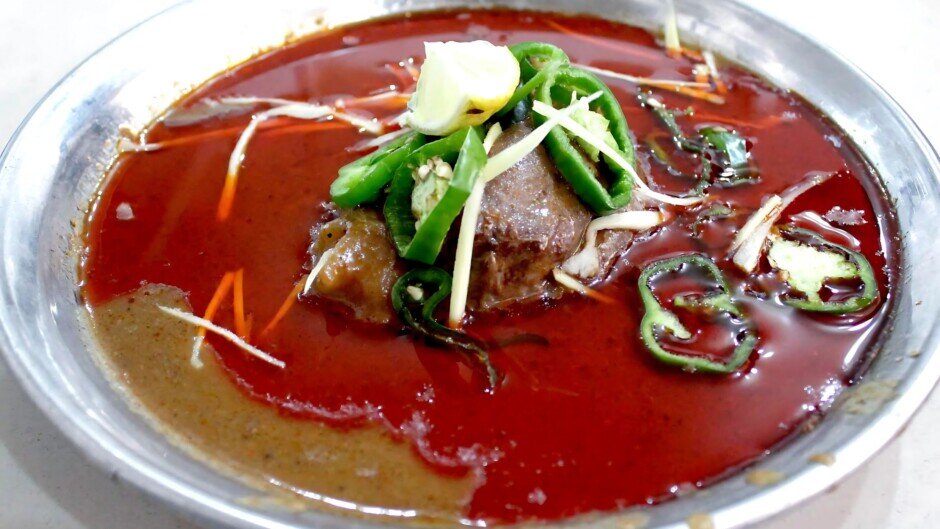
Nihari’s slow-cooked, spice-laden goodness is a Pakistani staple. Two cups of beef nihari pack about 559 calories, but a single cup drops to 278 calories. Chicken nihari is slightly lighter at 254-510 calories per cup. Stick to one cup and add steamed veggies on the side to enjoy the depth of flavor without overloading.
Haleem: The Hearty Bowl
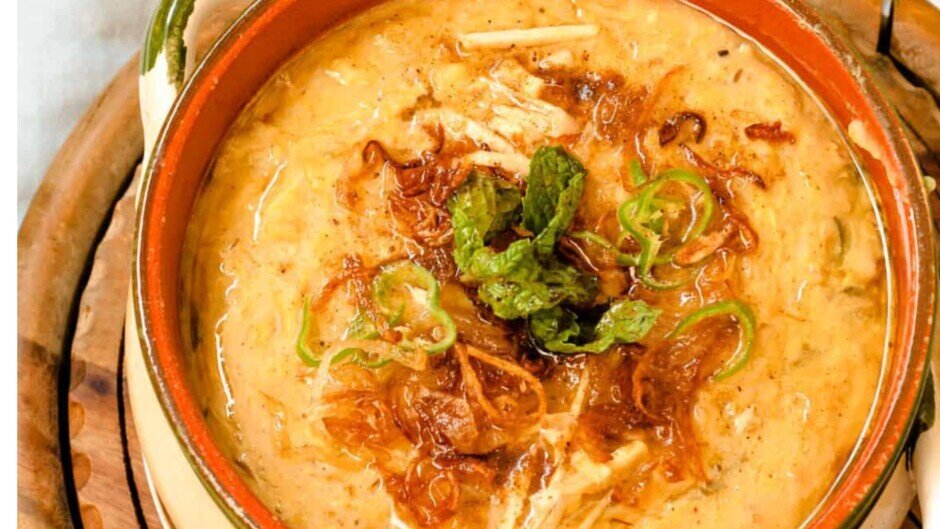
Haleem feels like a warm hug of blended grains, lentils, and meat that keep you full for hours. A standard cup has about 376 calories, but a home version with more lentils, less meat, and reduced oil can slim down to 157 calories. Its high protein and fiber make it a satisfying choice, even in lighter form.
Samosa: The Snack Trap
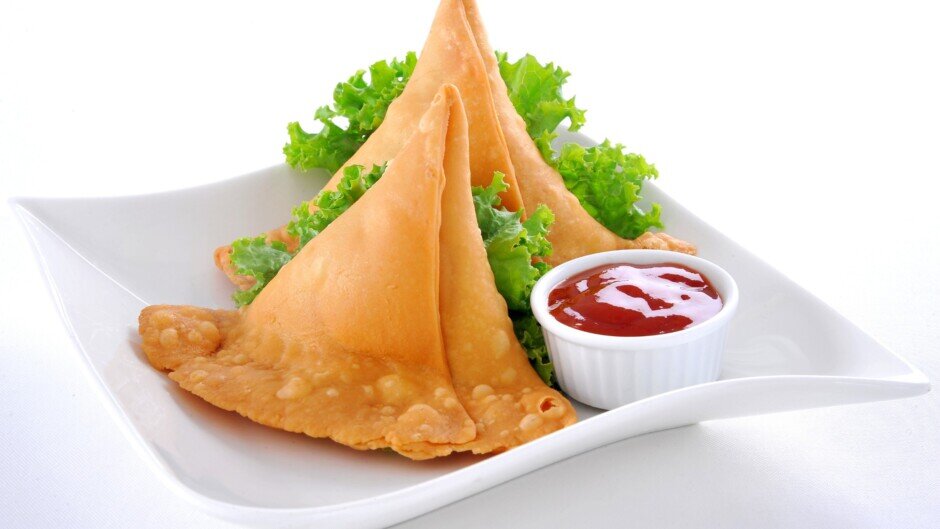
Samosas are crispy, golden perfection, but they’re calorie bombs. A vegetable samosa (100g) has about 262 calories, while meat-filled ones can top 300 calories. Bake them with phyllo pastry instead of deep-frying to cut fat by up to 50%. You’ll still get that crunch you crave.
Table: Calorie Counts of Popular Pakistani Dishes
| Dish | Portion Size | Calories (Approx.) | Lighter Swap Tips |
|---|---|---|---|
| Chicken Biryani | 1 cup (205g) | 292 kcal | Use brown rice, halve ghee |
| Paratha (Plain) | 1 piece (79g) | 258 kcal | Non-stick pan, minimal oil, add veggies |
| Chapli Kebab | 1 patty (64g) | 120-157 kcal | Grill, pair with salad |
| Nihari (Beef) | 1 cup | 278 kcal | Single cup, add steamed veggies |
| Haleem | 1 cup | 376 kcal (157 kcal light) | More lentils, less oil |
| Samosa (Vegetable) | 1 piece (100g) | 262 kcal | Bake with phyllo pastry |
Portion Control: Simple Tricks to Stay on Track
Portion control doesn’t mean starving yourself—it’s about eating smarter. Here are some easy ways to keep portions in check:
- Use Your Hands: A closed fist is about one cup of rice or curry; a deck of cards equals roughly 85g of meat.
- Check Restaurant Menus: Many chains post nutrition info online, so peek before you order to avoid surprises.
- Pre-Portion at Home: Divide home-cooked dishes into single-serve containers to resist second helpings.
Apps can make tracking a breeze. MyNetDiary (MyNetDiary) boasts over 6,000 South Asian dishes and barcode scanning for packaged foods. Nutritionix integrates with fitness trackers, while FatSecret (FatSecret) dives deep into micro-nutrients, perfect for complex dishes like haleem. For a high-tech twist, Fitia (Fitia) and Nutribit (Nutribit) use AI to estimate calories from meal photos.
Mindful Eating: Savor Every Bite
Counting calories is great, but how you eat matters just as much. Try these mindful habits to naturally manage your intake:
- Slow Down: Take at least 20 minutes per meal to let your brain register fullness.
- Stay Hydrated: Drink water before and during meals to curb overeating.
- Balance Your Plate: Fill half with veggies, a quarter with lean protein, and a quarter with carbs for satisfaction without excess.
- Savor the Experience: Focus on the flavors and textures of your food—it’s a celebration, not a race.
These habits let you enjoy Pakistani cuisine’s richness while building a sustainable, healthy lifestyle.
Conclusion: Flavor Meets Fitness
Pakistani cuisine is a culinary treasure, and with the right method, you may enjoy it without endangering your health. Use tools like MyFitnessPal to keep updated; access databases like the FAO table; or figure calories at home. To minimize calories, consider easy substitutes like brown rice, less oil, baked samosas, and exercise portion control. Most importantly, eat deliberately to totally enjoy every meal. Therefore, do not hesitate the next time you come across that biryani or crunchy samosa tray. Your body and taste sensations will be much appreciated!

Sharing clear, practical insights on tech, lifestyle, and business. Always curious and eager to connect with readers.