Study Abroad for Free: Your Guide to International Scholarships

Imagine walking through the historic halls of Harvard, soaking up lectures at Oxford, or researching at MIT, all without the stress of massive tuition bills. For Pakistani students, studying abroad can feel like a far-off dream because of the hefty costs. But here’s the good news: thousands of scholarships are out there, designed to help students like you cover tuition, living expenses, and even flights. From fully funded programs to travel grants, these opportunities can make your global education a reality. The challenge? Finding them and crafting an application that stands out.
In this guide, we’ll walk you through every step of applying for scholarships at international universities, with tips tailored for Pakistani students. We’ll show you where to find funding, how to build a killer application, and ways to avoid common pitfalls. Plus, we’ve got success stories to inspire you and warnings about scams to keep you safe. Ready to turn your study abroad dream into reality? Let’s dive in!
Why Scholarships Are a Big Deal for Pakistani Students
Studying abroad isn’t just about getting a degree: it’s about diving into new cultures, building global connections, and gaining skills that make you a standout in Pakistan’s job market. But let’s be honest: the price tag can be scary. Tuition alone can cost tens of thousands of dollars, and that’s before you add housing, food, and travel. For many Pakistani families, these expenses feel impossible.
That’s where scholarships come in. They can cover part or all of your costs, from tuition to living stipends. Programs like the Fulbright Scholarship and HEC-funded awards are game-changers for Pakistani students. Here’s the kicker: billions of dollars in scholarships go unclaimed each year because students don’t apply. Don’t miss out! With some effort and strategy, you could be studying abroad on someone else’s dime.
Where to Find Scholarships for Pakistani Students
Finding the right scholarships is like hunting for treasure, but we’ve got your map. As a Pakistani student, you have access to unique local and global resources. Here’s where to start:
Local Resources
- Higher Education Commission (HEC) Pakistan (HEC): Offers government-funded scholarships for undergraduate, master’s, and PhD programs in countries like the U.S., UK, and Australia. These often cover tuition, living costs, and travel.
- Study Abroad.pk: A one-stop database of scholarships for Pakistani students, sorted by country, university, and field of study.
- U.S. Embassy in Pakistan (U.S. Embassy): Lists programs like the Kennedy-Lugar Youth Exchange and Study (YES) for high schoolers and Fulbright for graduate students.
- Aga Khan Foundation: Provides grants and loans for postgraduate studies, especially for students with financial need.
Global Platforms
- Scholars4DeV: Updated for 2025-2026, this site lists scholarships for Pakistani students in various fields.
- InternationalStudent.com: Lets you filter by country, major, or origin to find scholarships open to Pakistanis.
- Top Universities: Highlights scholarships for Pakistani students in popular destinations like the UK and Canada.
- Edvoy: Focuses on fully funded scholarships for Pakistani undergraduates and graduates.
University and Program-Specific Scholarships
Table: Top Scholarships for Pakistani Students
| Scholarship | Eligibility | Award Amount | Requirements | URL |
| Fulbright | Pakistani students, master’s/PhD | Full tuition, stipend, travel | Essays, letters, transcripts | Fulbright |
| DAAD | Pakistani students, master’s/PhD | €850-€1,200/month, tuition | Transcripts, research proposal | DAAD |
| MEXT | Pakistani students, undergrad/master’s/PhD | Tuition, stipend, travel | Transcripts, essays, tests | MEXT |
| Chevening | Pakistani students, master’s | Full tuition, stipend, travel | Essays, leadership experience | Chevening |
| Aga Khan | Pakistani students, postgraduate | 50% grant, 50% loan | Financial need, transcripts | Aga Khan |
Many universities offer scholarships for international students. For example, University College Dublin (UCD) encourages Pakistani applicants to apply for awards upon receiving an offer. Smaller schools like Brandeis University have programs like the Wien International Scholarship. Study abroad providers like IES Abroad and CIS Abroad also award millions annually.
Tip for Pakistanis: Check your home university’s international office. They often have partnerships with global schools and can point you to exclusive scholarships. Joining the Pakistan-U.S. Alumni Network (PUAN) connects you with alumni who share insider tips.
Checking Scholarship Eligibility
Not every scholarship is a match, so always review the fine print. Here’s what to look for:
- Grades and Tests: Most scholarships, like the Rotary Peace Fellowship, require a strong GPA (usually 3.0+) and good TOEFL or IELTS scores. The MPOWER Scholarship needs a 3.0 GPA.
- Field of Study: Some focus on specific majors. STEM students can target the Fulbright STEM Scholarship, while humanities students might apply for the Chevening Scholarship.
- Financial Need: Programs like HEC and Aga Khan prioritize students with financial hardship. You’ll need bank statements or tax documents.
- Citizenship: Confirm the scholarship is open to Pakistanis. The Aga Khan Foundation Scholarship targets developing countries, including Pakistan.
- Extras: Some require essays, recommendation letters, or videos. The Benjamin A. Gilman Scholarship emphasizes essays about your study abroad goals.
Building a Winning Application
A great application takes time and planning. Here’s what you’ll need:
- Transcripts: Official copies from your high school or university, translated into English if necessary.
- Test Scores: Recent TOEFL, IELTS, SAT, or ACT scores, depending on the scholarship.
- Essays/Personal Statements: Share your academic journey, career goals, and why studying abroad matters. We’ll cover essay tips later.
- Recommendation Letters: Ask teachers or mentors who know you well. Give them a month’s notice and share scholarship details.
- Financial Documents: For need-based awards, provide bank statements or tax returns.
- Resume/CV: List your achievements, extracurriculars, and work experience concisely.
Pakistani-Specific Tips:
- Boost English Skills: Strong English is key for essays and interviews. Use apps like Duolingo or take IELTS prep courses at centers like the British Council (British Council).
- Find Mentors: Connect with Pakistani alumni through PUAN or LinkedIn for advice or recommendation letters.
- Tell Your Story: Highlight experiences unique to Pakistan, like volunteering during floods or leading community projects, to show your impact.
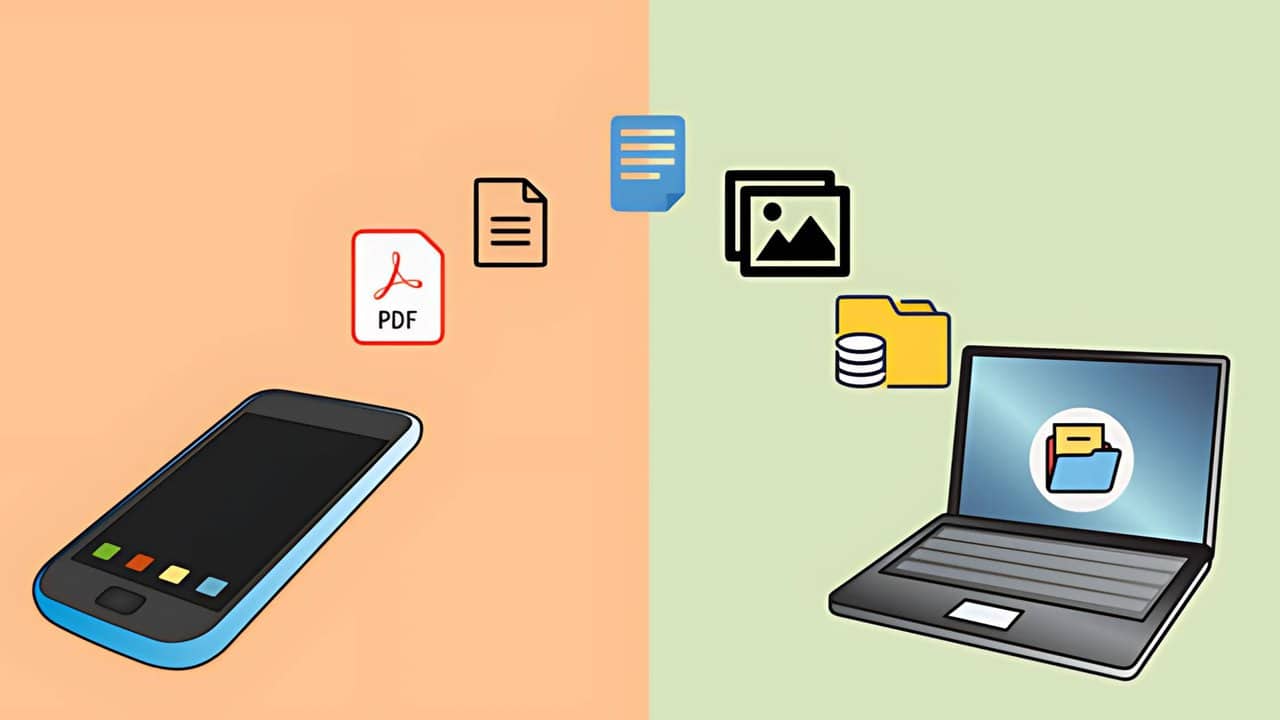
Pro Tip: Store all documents in a digital folder to streamline multiple applications.
Applying to Multiple Scholarships
Don’t bet on just one scholarship, rather apply to several to increase your chances. Competition is tough, and each program has different criteria. Try for 5-10 scholarships, starting with Pakistani-focused ones like HEC or Aga Khan, then adding global ones like DAAD or MEXT. Many use similar documents, so you can tweak essays and letters for each.
Quick Tip: Use a spreadsheet to track deadlines, requirements, and statuses. It’s a lifesaver for staying organized.
Writing Essays That Pop
Your essay is your chance to shine. Here’s how to make it unforgettable:
- Follow the Prompt: Answer exactly what’s asked—whether it’s your goals, challenges, or study abroad motivations.
- Tell a Story: Use specific examples. For the Chevening Scholarship, explain how a UK degree will help you tackle Pakistan’s development issues.
- Be Real: Write in your own voice. Share your passions, like your dream to improve Pakistan’s education system.
- Show, Don’t Tell: Instead of saying “I’m a leader,” describe organizing a school event for underprivileged kids.
- Proofread: Spelling or grammar errors can hurt you. Have a teacher or friend review it.
Example for Pakistanis: For the Fulbright Scholarship, write about how studying public health in the U.S. will help you address healthcare gaps in rural Pakistan.
Avoiding Common Mistakes
Even top students slip up. Here’s what to dodge:
- Missing Deadlines: Scholarships don’t budge on deadlines. Set reminders and submit early to avoid tech issues.
- Incomplete Applications: Double-check for all documents. A missing transcript can disqualify you.
- Ignoring Rules: Follow instructions exactly. If they want a 500-word essay, don’t send 600.
- Wrong Scholarships: Only apply if you meet the criteria, like GPA or major.
Staying Safe from Scams
Scammers target students with fake “guaranteed” scholarships for a fee. Protect yourself:
- No Fees: Legit scholarships don’t charge to apply.
- Verify Sources: Check opportunities via HEC or Study Abroad.pk.
- Skepticism: If it sounds too good to be true, it probably is.
Extra Tips for Pakistani Students
- Start Early: Applications take months. Begin researching a year ahead.
- Use Local Resources: Visit HEC offices or attend education fairs in Pakistan, like those hosted by IDP Education.
- Network with Alumni: Join PUAN or LinkedIn groups to connect with past scholars.
- Understand Cultural Nuances: U.S. scholarships value personal stories; European ones focus on academics. Adjust your approach.
- Prep for Interviews: Programs like Chevening include interviews. Practice answering questions about your goals and Pakistan’s challenges.
Affect of Travel/Visa Bans in the US on Pakistani Aspirants
In early 2025, the Trump administration suspended over $845 million in USAID projects in Pakistan, including education initiatives that supported scholarships and higher education programs.
While Trump’s proposed travel bans primarily affect Pakistani students’ ability to study in the U.S. by restricting student visas, they could also indirectly reduce U.S.-funded scholarships in Pakistan if political tensions lead to further cuts in aid.
To navigate these challenges, start researching scholarships early through trusted platforms like HEC Pakistan and Study Abroad.pk. Connect with alumni networks like the Pakistan-U.S. Alumni Network (PUAN) for guidance. Stay informed about U.S. policy changes and verify scholarship legitimacy to avoid scams.
Wrap-Up: Start Your Journey Today
Applying for scholarships in international universities is your shot at a world-class education without the financial burden. For Pakistani students, options like HEC, Fulbright, DAAD, and Chevening open doors to global opportunities. By researching thoroughly, crafting strong applications, and using your unique Pakistani perspective, you can stand out. It’s not just about money; it’s about showing the world what you’re capable of.
So, what’s next? Head to HEC or Study Abroad.pk to start your search. Connect with mentors, and take that first step toward your global adventure. Share your scholarship story in the comments—we’d love to hear it!

Sharing clear, practical insights on tech, lifestyle, and business. Always curious and eager to connect with readers.