

Fasting is a scientifically proven approach to enhance general health as well as a spiritual one. Although Muslims fast throughout Ramadan as a religious obligation, new studies reveal that fasting has several physiological effects like improved metabolism, cognitive activity, and immunity. Still, correct diet and excellent behavior must be followed if one is to really enjoy fasting.
Health Benefits of Fasting
Fasting triggers various physiological changes that benefit the body in multiple ways:
Weight Loss & Metabolism Boost

- Fasting lowers calories consumed and drives the body to burn stored fat for fuel.
- It increases norepinephrine, a hormone that drives fat breakdown, therefore improving metabolism.
Blood Sugar Regulation
- Lowers insulin resistance and enhancing blood sugar control as a direct result.
- Boosts glucose metabolism, therefore helping to prevent and control type 2 diabetes.
Improved Heart Health
- Lowers blood pressure and reduces cholesterol levels.
- Reduces triglycerides, which are linked to heart disease.
Detoxification & Cellular Repair

- Stimulates autophagy, a process where cells remove damaged components, reducing the risk of diseases.
- Helps the body eliminate toxins and promotes liver health.
Brain Function & Mental Clarity
- Increases the production of brain-derived neurotrophic factor (BDNF), improving cognitive function and memory.
- Reduces oxidative stress and inflammation, which are linked to neurodegenerative diseases.
Boosted Immunity
- Encourages the recycling of old or damaged immune cells, leading to the production of newer, stronger immune cells.
- Helps the body fight infections more effectively.
To fully benefit from fasting, it is crucial to follow the right dietary habits during Suhoor (pre-dawn meal) and Iftar (breaking fast).
What to Eat in Suhoor
A balanced Suhoor ensures sustained energy levels throughout the day. Nutritionists recommend:
- Low Glycemic Index (GI) Foods: These break down slowly, providing long-lasting energy.

- Whole grains (whole-wheat chapati, oats, brown rice)
- Lentils and legumes
- High-Protein Foods: Proteins help maintain muscle mass and keep you full longer.

- Eggs
- Greek yogurt
- Cottage cheese
- Healthy Fats: These provide essential nutrients and prevent energy crashes.
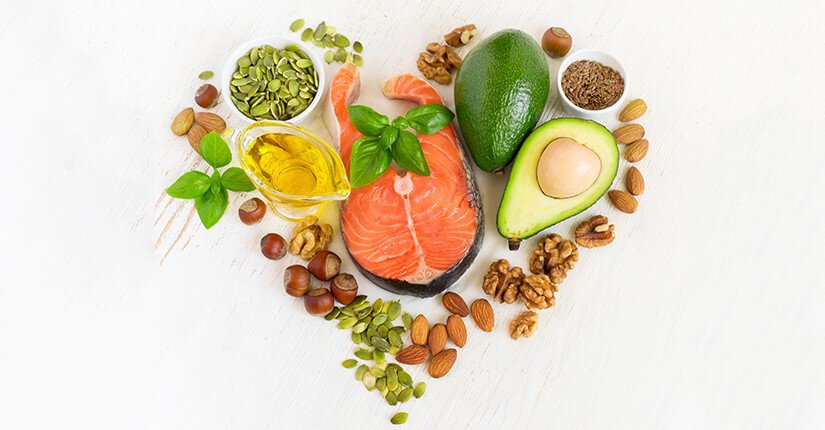
- Nuts (almonds, walnuts, peanuts)
- Avocados
- Olive oil
- Hydrating Foods & Fluids: Staying hydrated prevents fatigue and headaches.

- Water, herbal teas, coconut water
- Fruits with high water content (watermelon, cucumbers, oranges)
What to Eat in Iftar
Breaking the fast gradually is essential to prevent digestive discomfort. The best approach includes:

- Start with Water & Dates
- Water helps rehydrate the body after long hours without fluids.
- Dates provide natural sugars, fiber, and minerals to restore energy levels.
- Light but Nutrient-Dense Foods
A bowl of lentil soup or vegetable broth helps to ready the stomach for digestion. Olive oil dressing fresh salads adds fiber and vital components.
- Balanced Meal Choices
- Protein Sources: Grilled chicken, fish, or tofu to aid muscle repair and satiety.
- Healthy Carbs: Brown rice, quinoa, or whole-wheat bread to sustain energy levels.
- Vegetables: Include a variety of colorful vegetables like carrots, bell peppers, and spinach.
- Avoid Unhealthy Foods

- Fried & Oily Foods: Samosas, pakoras, and deep-fried snacks can lead to bloating and weight gain.
- Sugary Drinks & Desserts: Soft drinks and heavy sweets cause insulin spikes, leading to fatigue.
- Processed Foods: Fast food, refined sugars, and excessive salt intake should be minimized.
Additional Tips for a Healthy Fast
- Eat Mindfully: Avoid overeating during Iftar, as it can lead to indigestion and lethargy.
- Use an Air Fryer: If craving fried foods, air-frying is a healthier alternative.
- Stay Active: Light exercises like walking or yoga can enhance metabolism.
- Prioritize Sleep: Proper rest supports digestion and energy levels during fasting.
- Listen to Your Body: If you experience dizziness or extreme weakness, adjust your fasting routine.
Following these food and lifestyle recommendations helps fasting to be a great tool for enhancing general health, increasing immunity, and preserving mental clarity. Mindful fasting guarantees that it stays a healthy and lasting habit long beyond Ramadan.