
Over one billion people use Facebook Marketplace every single month. Consequently, selling your unused goods online has never been easier or more accessible. However, this massive digital audience also attracts highly sophisticated scammers. Fraudsters continuously evolve their tactics to exploit casual sellers. Therefore, you must prioritise transaction safety above all else.
Today, we bring you the ultimate, definitive guide to selling safely on Facebook Marketplace in 2026. We will cover exactly how to optimise your listings, outsmart lowballers, and protect yourself from dangerous buyer scams.
Optimise Your Listing for Maximum Reach
First, you need to get your items seen. Meta’s algorithm actively rewards clear, high-quality listings. Therefore, start by mastering your visuals. You can upload up to ten photos per listing. Use natural lighting and a simple, uncluttered background. Furthermore, always photograph any flaws or damage up close. Absolute transparency builds immediate trust with buyers and prevents frustrating arguments during the meetup.
Moreover, you must leverage the latest Meta AI tools. In March 2026, Meta rolled out powerful AI features to streamline selling. You can now upload a simple image, and Meta AI will automatically draft a compelling title, write the description, and suggest a competitive price. Additionally, you can enable AI auto-replies. When buyers ask if an item is available, the AI responds instantly. Fast communication heavily boosts your algorithmic visibility, ensuring more local buyers see your items.
Finally, optimise your text for search engines. Front-load your title with specific, highly relevant keywords. The algorithm scans your entire description, but the first 150 characters are the most crucial. Similarly, use up to three relevant tags to help Facebook accurately categorise your item. However, avoid obvious keyword stuffing. The algorithm will actively penalise spammy descriptions and reduce your reach. If an item sits unsold for 30 days, do not simply duplicate the listing. Instead, change at least one variable, such as the price or the cover photo, to reset the algorithm and gain fresh visibility.
Pricing to Sell (Without Getting Lowballed)
Next, you must price your items objectively. Casual sellers frequently overvalue their belongings due to personal nostalgia. Buyers do not care about your emotional attachment. Therefore, conduct a quick market analysis. Search for similar sold listings to establish a realistic baseline. A solid rule of thumb is to price standard consumer goods in excellent condition at 40% to 60% of their original retail price.
Inevitably, buyers will message you asking, “What is your lowest price?” or “Last price?” This is a psychological trap. Never answer this question with a reduced figure. The first person to name a lower number instantly loses the negotiation. Instead, calmly redirect the conversation. Simply reply, “The item is listed at this price, but I am open to your best offer”. This immediately forces the buyer to negotiate properly.
Spotting Common Buyer Scams in 2026
Unfortunately, social media marketplaces saw a massive 38% increase in reported fraud cases between 2024 and 2025. You must stay vigilant.
Fake Payment Screenshots: A buyer might quickly agree to your price and claim they paid via EasyPaisa or JazzCash. They will send a highly convincing screenshot showing a successful transfer. Never trust a screenshot. Always log directly into your actual banking app to verify the funds.
Business Account Upgrade Fraud: Scammers frequently send spoofed emails claiming your payment app account requires a “business upgrade” to receive a large sum. They will graciously offer to send extra money to cover the fee, provided you promise to refund them the difference. This is entirely fabricated. There is no upgrade fee, and you will lose any money you send.
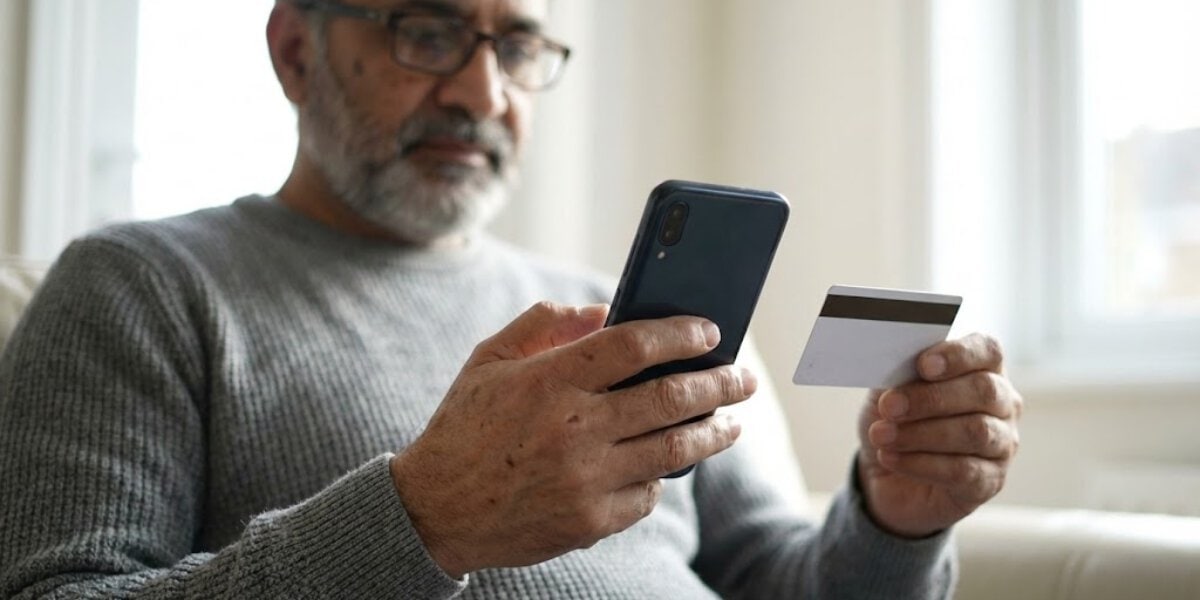
The Overpayment and Shipping Agent Scam: In this classic scheme, the buyer deliberately overpays with a fake check or a stolen credit card. Next, they urgently ask you to send the excess funds to their “shipping agent” or a relative who will pick up the item. Eventually, the bank reverses the fraudulent original payment. Consequently, you lose the item and the extra cash you wired away.
Navigating Logistics, Meetups, and COD Risks
Physical safety is just as critical as digital security. Never invite strangers to your private residence. Instead, always conduct transactions in designated Safe Trade Zones. Thousands of police departments offer 24-hour video-monitored parking lots or public lobbies specifically for online exchanges.
If a police station is unavailable, utilise highly secure commercial hubs. For example, in Islamabad, the local administration recently implemented a comprehensive strategy in early 2026 to enhance the Safe City camera network across major highways and sectors. Therefore, utilising highly trafficked areas monitored by these systems, such as the F-7 Markaz (Jinnah Super Market) or The Centaurus Mall, provides an excellent, well-lit environment for safe pickups.
Furthermore, you must prepare for the physical “bait-and-switch”. Often, a buyer will agree on a specific price online but arrive at the meetup claiming they “only brought” a lesser amount of cash. To prevent this, confirm the exact cash amount in a message right before leaving your house. If they attempt to significantly renegotiate at the meetup, confidently walk away.
Lastly, understand the severe risks of Cash on Delivery (COD). In emerging markets like Pakistan, COD remains a dominant payment method. However, buyers frequently reject packages at the doorstep, leaving small sellers burdened with the return shipping costs. Additionally, buyers might secretly swap the item for a counterfeit product during the delivery inspection. Always use highly reputable, insured courier services to minimise these logistical losses.
Playing by the Rules (Avoiding Bans)
You must strictly follow Meta’s Commerce Policies to keep your account active. Meta relies heavily on automated AI bots to enforce its rules.
First, know the prohibited items. You cannot sell weapons, illegal drugs, tobacco, or restricted medical devices. Furthermore, Facebook strictly bans the sale of digital goods, subscriptions, and services. Used cosmetics, even if barely touched, are also completely prohibited for hygiene reasons.
Second, beware of AI false positives. The automated bots aggressively scan your listing titles and descriptions. For instance, describing a brown sweater as “mocha brown” might cause the AI to flag your listing as a prohibited food product. Similarly, using the word “gun” for a harmless plastic toy will instantly trigger a weapons violation. If you receive a warning, immediately delete the listing entirely rather than attempting to edit it, as repeated flags can result in a permanent shadowban.
When to Refuse a Deal
Ultimately, you need a strict framework for walking away from bad transactions. Terminate the deal and cease all communication immediately if any of the following occur:
- Off-Platform Demands: The buyer insists on moving the conversation to WhatsApp, SMS, or email.
- Payment Irregularities: The buyer insists on overpaying, using untraceable gift cards, or requires you to pay a fee to receive your funds.
- Unsafe Locations: The buyer aggressively refuses to meet in a public, well-lit area or a Safe Trade Zone.
- High-Pressure Tactics: The buyer utilises artificial urgency to rush the sale and bypass your common sense.
Selling locally is an incredibly rewarding way to declutter and generate extra income. By optimising your listings, setting firm boundaries, and prioritising secure exchange locations, you can successfully and safely navigate the Facebook Marketplace ecosystem. Stay alert, trust your instincts, and happy selling!