Somebody tells you they moved to Islamabad. Your first question isn’t “how’s the weather?” It’s “how much is the rent?” Because in Pakistan, your city choice is more of financial decision than a a simple lifestyle one. And the gap between what people assume things cost and what they actually cost has widened sharply in 2026, thanks to fuel hikes, utility increases, and an inflation rate that climbed to 7.3% in March.
This guide breaks down the real, current cost of living in Pakistan’s three biggest cities. Not averages pulled from global databases that haven’t been updated since 2023. Actual numbers for rent, utilities, groceries, transport, education, healthcare, and entertainment, broken down by whether you’re a single professional, a couple, or a family with children.
Rent: The Number That Defines Your Budget
Rent is the single biggest monthly expense in all three cities, and the one that varies most dramatically depending on area, housing type, and how recently you started looking.
Karachi offers the widest range. Budget apartments in areas like Gulistan-e-Johar or North Nazimabad start around Rs 15,000-30,000 for a 2-bedroom flat. Mid-range areas like Gulshan-e-Iqbal or PECHS run Rs 40,000-70,000. And if you’re looking at DHA or Clifton, expect Rs 80,000-200,000 for a decent 3-bedroom apartment. The premium high-rises in Emaar or Bath Island push past Rs 250,000.
Lahore is generally cheaper for comparable quality. A 2-bedroom apartment in Johar Town or Township costs Rs 20,000-40,000. Model Town or Gulberg pushes to Rs 50,000-90,000. DHA Lahore runs Rs 70,000-150,000 for a 3-bedroom. Bahria Town offers newer apartments at Rs 30,000-80,000 depending on the phase and furnishing.
Islamabad is the most expensive for rent relative to what you get. The G-sectors (G-11, G-13) offer 2-bedroom apartments from Rs 25,000-50,000. The F-sectors (F-6, F-7, F-8) command Rs 60,000-120,000 for similar space. Bahria Town Islamabad starts around Rs 25,000-55,000. And premium sectors like F-6 or E-7 can hit Rs 150,000+ for a 3-bedroom house.
Annual rental escalation across all three cities is running around 10%, according to Savills’ Pakistan market overview, which means whatever you’re paying now will likely be higher when your lease renews.
Bottom line for a single professional: budget Rs 20,000-40,000 in Karachi, Rs 20,000-35,000 in Lahore, Rs 25,000-50,000 in Islamabad. For a family of four wanting a 3-bedroom in a decent area, plan for Rs 50,000-100,000 in Karachi, Rs 45,000-80,000 in Lahore, and Rs 60,000-120,000 in Islamabad.
Utilities: The Bill That Keeps Climbing
Electricity is the biggest utility expense, and it’s become a serious budget concern in 2026. Housing and utility inflation hit 11.5% in March alone. Your bill depends heavily on season, consumption, and tariff slab.
In winter (October-January), a typical 2-bedroom apartment runs Rs 3,000-6,000 for electricity. Summer changes everything. With air conditioning running, bills jump to Rs 10,000-25,000 depending on usage and slab. A family of four in a 3-bedroom with two ACs can easily see Rs 15,000-30,000 in peak summer.
Gas bills have spiked too. Cooking gas for a small household runs Rs 2,000-4,000 monthly. In winter, when gas heaters come on, Lahore and Islamabad households see Rs 5,000-10,000. Karachi, being warmer, has lower winter gas costs but faces persistent low gas pressure that forces many households onto cylinder gas, which costs more.
Water and sewerage fees vary by city but typically add Rs 1,000-3,000. Internet (fibre or DSL) runs Rs 2,500-5,000 for a reasonable connection across all three cities.
Total utility budget for a couple: Rs 10,000-18,000 in a normal month, Rs 20,000-35,000 in peak summer. For a family of four, add another 30-50% to those figures.
Groceries: Where Inflation Hits Hardest
Food and non-alcoholic beverages make up 35% of Pakistan’s consumer price index, and while food inflation cooled to 3.6% in March, the cumulative impact of previous years still stings.
A single professional cooking at home can manage groceries for Rs 15,000-20,000 per month. A couple spending carefully will spend Rs 20,000-30,000. A family of four buying from local markets (not imported brands) should budget Rs 30,000-50,000.
Karachi is slightly cheaper for groceries than Lahore and Islamabad, largely because of proximity to port-based wholesale markets. Islamabad is the most expensive for groceries, especially in F-sector markets where retail markups are higher. Lahore falls in between.
Imported items (cheese, olive oil, cereals, snacks) cost significantly more across all cities. If your grocery list includes imported brands regularly, add 30-40% to the numbers above.
Eating out changes the math entirely. A meal at a mid-range restaurant costs Rs 800-1,500 per person. Fast food runs Rs 500-900. Street food and dhabas remain affordable at Rs 150-400 per meal. But four food delivery orders a week adds Rs 10,000-15,000 to your monthly food bill. That’s essentially a second grocery budget.
Transportation: The Expense the Fuel Crisis Reshaped
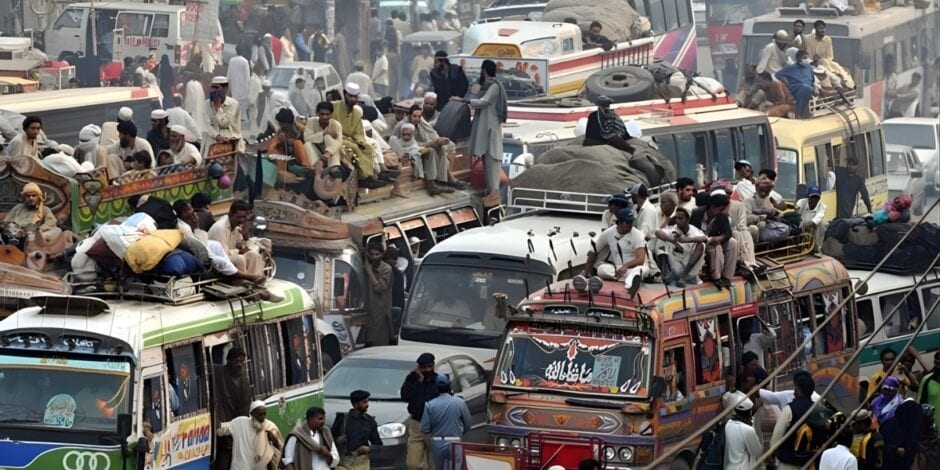
Transportation costs have been rewritten in 2026. Petrol hit Rs 458 per litre in April after a 54% hike. Diesel reached Rs 520. These aren’t abstract numbers. They change what it costs to get to work every single day.
If you own a car, fuel alone costs Rs 15,000-30,000 per month depending on your commute and vehicle. Add insurance (Rs 3,000-8,000/month if financed), maintenance, and parking. Total car ownership cost easily reaches Rs 25,000-50,000 monthly.
Motorcycle commuters spend Rs 5,000-10,000 on fuel. Ride-hailing (Careem, InDrive) for regular commuters runs Rs 15,000-30,000 per month if used daily.
Public transport is the cheapest option but varies wildly by city. Lahore has the best public transit infrastructure with the Orange Line Metro and Metro Bus, making commuting feasible for Rs 3,000-5,000 monthly. Islamabad has the Metro Bus connecting to Rawalpindi, but coverage within Islamabad itself is limited. Karachi has the least reliable public transport, and most residents depend on ride-hailing, rickshaws, or personal vehicles.
Monthly transport budget: Rs 5,000-10,000 (motorcycle, Lahore with public transit) to Rs 30,000-50,000 (car commuter in Karachi or Islamabad).
Education: The Cost Nobody Warns You About

If you have children, school fees will likely be your second-largest expense after rent. And the range is enormous.
Government schools are nearly free but have quality concerns that push most middle-class families toward private options. Budget private schools (Beaconhouse standard branches, The City School regular campuses) run Rs 8,000-20,000 per month per child. Mid-tier schools like Lahore Grammar School or Froebel’s charge Rs 25,000-45,000 monthly. Premium schools like Karachi Grammar, Haque Academy, or Roots Millennium push Rs 38,000-55,000 monthly. And international schools (Karachi American School, International School of Islamabad) range from Rs 100,000-200,000+ monthly.
School fees are higher in Karachi and Islamabad than in Lahore for comparable quality. But Lahore’s gap is narrowing.
For a family with two children in mid-tier private schools, budget Rs 50,000-90,000 per month just for tuition. Add uniforms, books, transport, and extracurricular fees, and education costs can easily reach Rs 70,000-120,000 monthly.
Healthcare: Affordable Until It’s Suddenly Not
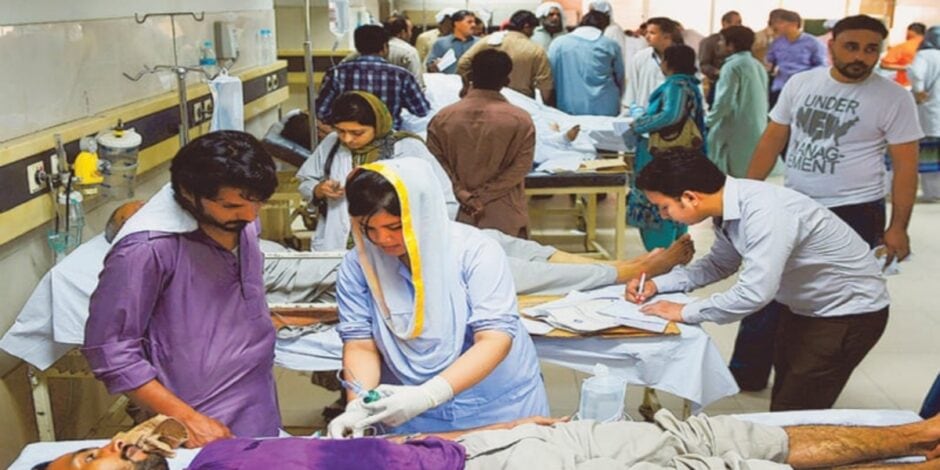
Routine healthcare is relatively cheap across all three cities. A GP consultation costs Rs 1,500-3,000. Specialist visits run Rs 2,000-5,000. Basic lab tests are Rs 1,000-5,000.
But hospitalization changes everything. A single night in a private hospital room costs Rs 15,000-40,000. A C-section delivery in a mid-tier private hospital runs Rs 150,000-400,000. An appendectomy can cost Rs 100,000-250,000. Without insurance, one medical emergency can wipe out months of savings.
Islamabad has the highest healthcare costs among the three cities, partly because of fewer hospital options competing for patients. Karachi has the most options and the widest price range. Lahore falls in between with strong mid-tier hospital availability.
Health insurance, if your employer doesn’t provide it, costs Rs 3,000-10,000 per month for a basic family plan. It’s worth it. One serious medical event makes the math obvious.
Entertainment and Lifestyle

This is where personal choice creates the biggest variation.
A gym membership runs Rs 3,000-8,000 per month. Cinema tickets are Rs 600-1,200. A coffee shop visit costs Rs 500-1,000. Dining at a nice restaurant for a couple runs Rs 3,000-6,000.
Islamabad is the most expensive for entertainment and dining. Karachi offers the widest range from street food to fine dining. Lahore sits in between and arguably has the best food scene for the money.
A single professional’s entertainment budget typically runs Rs 8,000-15,000 monthly. A couple spends Rs 12,000-25,000. Families often reduce this category to near zero once school fees and utilities absorb the budget.
The Monthly Totals: What Each City Actually Costs
Here’s what it adds up to, based on realistic spending in mid-range areas with moderate lifestyle choices.
- Single professional: Karachi: Rs 65,000-100,000. Lahore: Rs 60,000-90,000. Islamabad: Rs 75,000-115,000.
- Couple (no children): Karachi: Rs 100,000-160,000. Lahore: Rs 90,000-140,000. Islamabad: Rs 110,000-175,000.
- Family of four (two school-age children, mid-tier private school): Karachi: Rs 200,000-350,000. Lahore: Rs 180,000-300,000. Islamabad: Rs 220,000-380,000.
These figures assume mid-range areas, not the cheapest and not premium. They include rent, utilities, groceries, transport, education (for families), basic healthcare, and moderate entertainment. They don’t include loan payments, savings, or one-time expenses.
Which City Should You Choose?
There’s no universal answer, but patterns emerge.
Choose Lahore if you want the best cost-to-quality ratio. Rent is lower, public transport is the best of the three, food is excellent and affordable, and the cultural scene is strong. The main trade-offs are air quality (worst of the three, especially in winter) and summer heat.
Choose Islamabad if safety, greenery, and quality of life are your top priorities and you can afford the premium. It’s the most expensive city but also the cleanest, safest, and most organized. The trade-off is cost and limited nightlife or entertainment options compared to Karachi.
Choose Karachi if you want maximum career opportunities, the widest range of lifestyle options, and don’t mind the infrastructure challenges. It’s the cheapest for groceries and offers the most diverse job market. But transport is painful, power outages are more frequent, and the cost gap between good and bad areas is larger than in either Lahore or Islamabad.
Every number in this guide is a snapshot. Inflation, fuel prices, and government policy can shift these figures within months. Use these as a starting framework, but verify rent and utility costs for your specific area before making any relocation decision.
NOTE: The amount mentioned in this guide is an estimate based on data available online. Due to a lack of updated figures, there may be discrepancies in individual interactions. Please do your own research before making a moving decision.