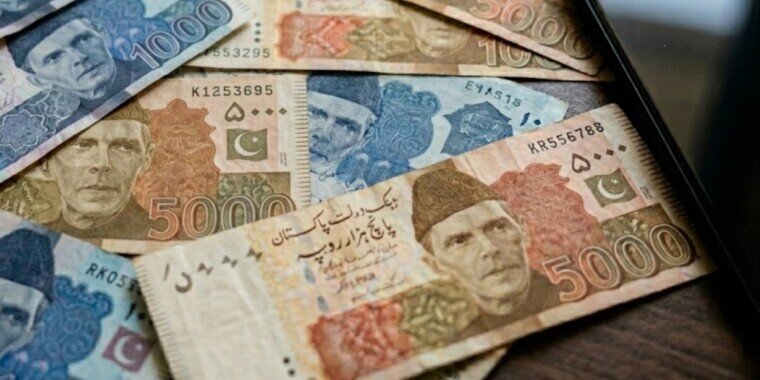
Earning a good salary in Pakistan today often feels like an illusion. You get paid on the first of the month. You feel financially secure. However, by the twentieth, you check your banking app with absolute dread. The money is completely gone. You are living paycheck to paycheck in Pakistan. Importantly, you are not alone in this struggle.
Currently, in April 2026, severe macroeconomic pressures are mercilessly squeezing the middle class. Basic necessities like food and electricity now consume nearly two-thirds of an average household’s income. Consequently, your remaining discretionary money requires strict protection. Therefore, you must aggressively diagnose your spending leaks. Let us break down exactly why your salary vanishes and how you can permanently fix it.
The Digital Wallet Trap: Frictionless Spending
Firstly, we must critically analyze how you spend your money. Historically, handing over physical cash hurt. Behavioral economists call this cognitive friction the “pain of paying”. Today, digital wallets have completely destroyed this psychological barrier. Payment platforms like Easypaisa, JazzCash, and Raast make modern spending entirely frictionless.
Consequently, the psychological pain of parting with your wealth is gone. You simply scan a fingerprint or type a quick PIN. Therefore, impulse buying skyrockets. E-commerce giants like Daraz constantly push targeted flash sales directly to your smartphone. Moreover, sophisticated algorithms know exactly what you crave. You buy things instantly to get a quick dopamine hit after a highly stressful workday.
Furthermore, a new and dangerous digital trap exists in 2026. Buy Now, Pay Later (BNPL) services are rapidly expanding across Pakistan. Startups like Abhi allow you to purchase consumer goods through automated salary deductions. Consequently, high-ticket electronics suddenly appear incredibly affordable. You naturally assume you can easily manage the micro-installments. However, this creates a vicious cycle of consumer debt. You are actively spending money you have not even earned yet. Ultimately, BNPL platforms severely damage your future cash flow.
The “Small Expenses Don’t Matter” Myth
Next, let us completely debunk a massive financial lie. Many professionals falsely believe the “small expenses don’t matter” myth. They are mathematically wrong. Small daily expenses act like a slow, undetected leak in a tire. For example, a simple cup of tea at an office-area dhaba now costs a staggering Rs. 100. A basic fried tawa paratha costs another Rs. 60. You might spend Rs. 320 daily just on two casual tea breaks. Over a standard working month, this easily equals over Rs. 7,000.
Additionally, modern food delivery apps relentlessly drain your wallet. Ordering a simple desktop lunch via Foodpanda adds multiple hidden costs. You pay the restaurant’s base food markup, a mandatory platform fee of Rs. 7.99, fluctuating delivery fees ranging from Rs. 50 to Rs. 200, and customary rider tips. Doing this merely three times a week deliberately wastes thousands of rupees monthly. The math is undeniably ruthless. Small expenses absolutely matter.
Subscription Creep: The Silent Drain
Similarly, subscription creep silently destroys your monthly budget. Subscriptions are incredibly sneaky financial liabilities. You set them up once and subsequently forget them completely. However, they continuously siphon precious money from your digital accounts in the background.
| Subscription Type | Estimated Annual Cost |
| Google One (100 GB) | Rs. 4,000 |
| iCloud (200 GB) | Rs. 12,000 |
| Spotify Premium | Rs. 3,500 |
| Netflix | Rs. 11,000 |
Even localized lifestyle services add up rapidly. For instance, a pandapro subscription currently costs Rs. 167 per month. While it aggressively promises free delivery, it actually encourages you to order expensive restaurant food much more frequently. Consequently, you spend more money overall. Therefore, you must ruthlessly audit these recurring digital charges immediately.
Lifestyle Inflation: Buying Status
Meanwhile, lifestyle inflation inflicts catastrophic structural damage on your wealth. As your salary organically grows, your ego actively demands lifestyle upgrades. You desperately want to signal your newfound success to your peers. Consequently, you purchase depreciating liabilities instead of yielding assets.
Vehicular status remains a prime example in Pakistan. Financing a highly compact car like a Suzuki Alto via a bank trade-in program still requires roughly Rs. 18,999 in monthly installments, typically carrying a 10% interest rate. Upgrading to a premium sedan like a Toyota Corolla Altis requires a massive upfront booking fee starting from PKR 2.5 million. Furthermore, continuously rising fuel prices have made basic commuting incredibly expensive. Ride-hailing services like Careem, inDrive, and Bykea are constantly adjusting their fares upwards due to expensive petrol, hitting daily commuters remarkably hard.
In addition to automobiles, premium dining acts as the ultimate social currency. Posting an aesthetic picture at Kolachi or Monal provides instant social validation. However, this digital validation is exceptionally expensive. A standard dinner buffet at Monal Murree costs Rs. 2,695, plus heavy taxes and additional service charges. At Kolachi in Karachi, a simple appetizer like creamy mushroom soup costs Rs. 495. A standard family dinner quickly wipes out Rs. 10,000. Doing this regularly guarantees you will remain perpetually broke.
The Cure: The 30-Day Expense Tracking Exercise
So, how do you actively fix this structural deficit? You must immediately initiate a 30-Day Expense Tracking Exercise. This is a brutal but absolutely necessary diagnostic tool. For exactly 30 consecutive days, you must meticulously log every single transaction. Track the Rs. 100 roadside chai. Track the Rs. 15,000 monthly electricity bill. Leave nothing out.
You can utilize a sophisticated digital app like Spendee or a simple Excel spreadsheet. Alternatively, you can write everything down manually in a pocket notebook. Actually, manual entry is highly recommended by behavioral experts. Manually writing down expenses forces your brain to physically feel the “pain of paying” once again. After 30 days, the compiled data will genuinely shock you. You will finally see exactly where your salary disappears. It serves as the ultimate financial reality check.
Next Steps: Adaptive Budgeting
Finally, once you successfully diagnose the specific leaks, you must implement a strict financial budget. Traditional Western budgeting rules usually suggest a 50/30/20 split. However, in Pakistan’s high-inflation economy of 2026, your basic survival needs (rent, groceries, electricity) will realistically consume up to 75% of your gross income. Therefore, you need a highly adaptive local strategy. You must strictly limit your flexible wants and aggressively protect a mandatory 10% savings rate. We have extensively covered the exact steps to construct this adaptive financial plan in our comprehensive budgeting guide. Be sure to check it out next to take full, uncompromising control of your remaining cash.
Stop letting your hard-earned money effortlessly slip through your fingers. Acknowledge the harsh macroeconomic reality. Delete the unnecessary e-commerce apps. Cancel the forgotten digital subscriptions. Most importantly, start your 30-day tracking exercise today. You work far too hard to end up broke by the twentieth of the month. Take proactive control, accurately diagnose your spending, and start building actual generational wealth.