The Benazir Income Support Programme (BISP) is an extremely well-known aid programme in Pakistan. It remains Pakistan’s largest cash-aid scheme designed specifically for poor families. The program targets the absolute poorest households across the nation. It places a special priority on households headed by women and those with young children. Today, in late April 2026, the program serves approximately 9.3 million families. This includes daily wage workers and low-income households in every province, including Azad Jammu & Kashmir and Gilgit-Baltistan.
This financial support is a cash transfer, not a loan. You never have to pay the money back. There are no hidden fees or charges of any kind. The money belongs entirely to you once the government confirms your eligibility.
How BISP Decides Who Qualifies: The PMT Score Explained
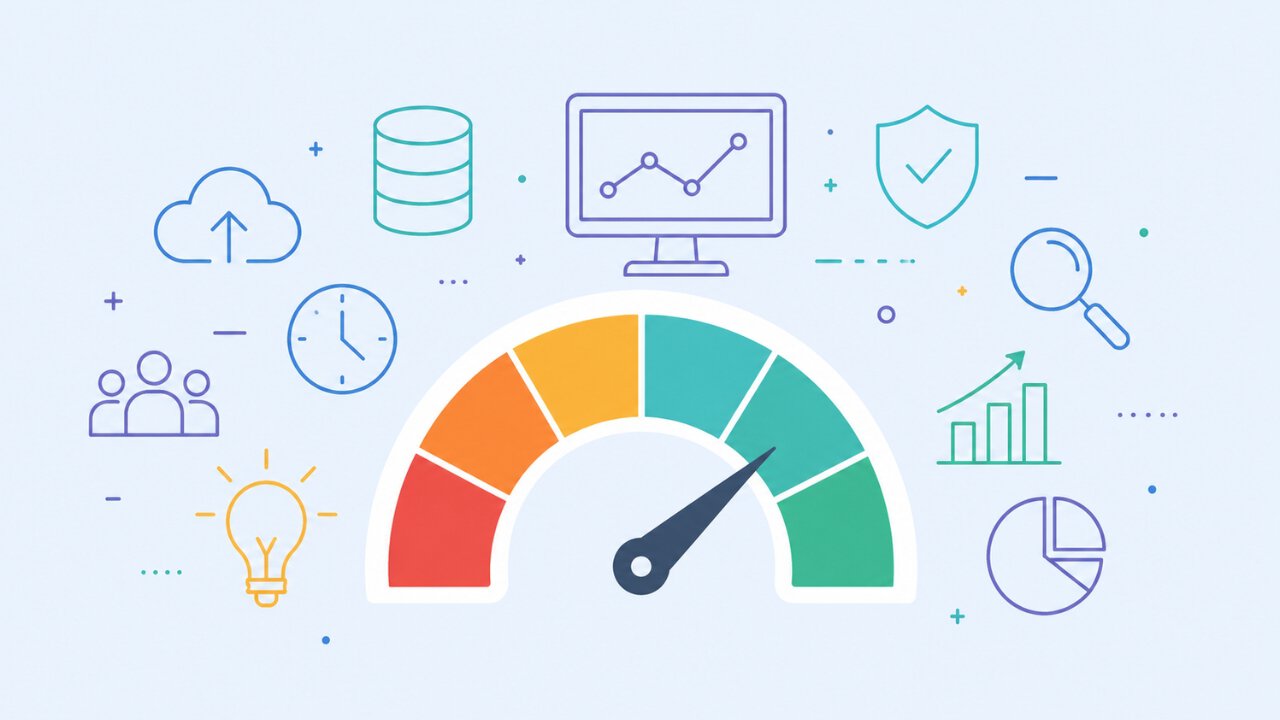
The government uses a proxy means test (PMT) survey to select eligible families. The PMT gives your household a specific poverty rank. This rank is a score between 0 and 100. A lower score means you face a much harder financial situation. Consequently, a lower score means you are more likely to qualify for support.
When a worker collects your household data, a computer formula calculates your PMT score based on several factors:
- Total monthly household income from all sources, including daily wages.
- The total number of people living in your home.
- The type and quality of your house, whether it is concrete or mud.
- Utility usage, such as your electricity and gas bills.
- Assets owned by the family, including motorcycles, cars, or agricultural land.
- Whether any family member lives with a disability.
Currently, the PMT cut-off is 32 points. Only families scoring 32 points or below receive Kafaalat cash aid. In practice, this means only households with very low incomes and no big assets qualify. However, if your family has a disabled member, you qualify at a slightly higher cut-off of 37 points. Transgender individuals also face relaxed PMT restrictions for easier access. If your score lands between 33 and 40, you do not qualify for Kafaalat cash. However, your children might still qualify for education stipends.
Certain factors will automatically disqualify you. You will not receive BISP if:
- A family member is a government employee at Grade 17 or above.
- Your family owns large assets like luxury cars or multiple motorcycles.
- Your household owns significant property or agricultural land.
- A household member is a registered income tax filer.
Many people incorrectly believe that owning a mobile phone disqualifies them. This is false. Simple mobile phones do not stop you from getting help.
Static Registry vs. Dynamic Registry
To receive BISP, your household must be registered in the National Socio-Economic Registry (NSER). Registration determines your PMT score.
| Registry Type | What It Means |
| Static Registry (Old) | The government conducted one large survey every few years. Information stayed frozen, and families lost payments if their situations worsened because the database did not update automatically. |
| Dynamic Registry (Current) | BISP now uses a continuous, rolling system. You can visit a BISP Tehsil Office year-round to update your information, register anew, or correct errors if your income falls. |
How to Apply & Register for BISP
Registration is entirely free. You must register through official NSER channels at a BISP Tehsil Office.
- Find your nearest tehsil office by calling the free 0800-26477 helpline.
- Go early in the morning because tokens are issued on a first-come, first-served basis.
- A woman from the household must go to the desk and present her valid CNIC.
- NSER staff will interview her and fill out the dynamic survey on a tablet.
- She must provide her thumbprint for mandatory biometric verification.
- The office will issue a written acknowledgment slip that you must keep safe.
- Within 10 to 14 days, you will receive an SMS from the number 8171 detailing your status.
Important Documents to Bring:
- The original, non-expired CNIC of the female head of the household.
- The original CNICs of all adult family members.
- B-Forms (Child Registration Certificates) for all children under 18.
- A recent utility bill for address verification.
- A death certificate if the husband has passed away.
A valid CNIC is absolutely essential. An expired CNIC, a blocked CNIC, or a fingerprint mismatch will immediately cause your payments to stop.
Checking Your Status: The 8171 Service
You do not need to travel to an office to check your eligibility. You can check anytime using these official methods:
- SMS Check: Open your phone’s messaging app and type your 13-digit CNIC number without any dashes or spaces. Send this number to 8171. This service is completely free. You will get an instant reply stating if you are active, ineligible, or if you need a new survey.
- Web Portal: If you have internet access, open a browser and visit 8171.bisp.gov.pk. Enter your CNIC, complete the captcha puzzle, and click submit to see your real-time status.
Benazir Kafaalat: Cash Payments
Benazir Kafaalat is the core program that pays unconditional cash directly to eligible women. The money is registered in the name of the female head of the household, and male family members cannot collect it.
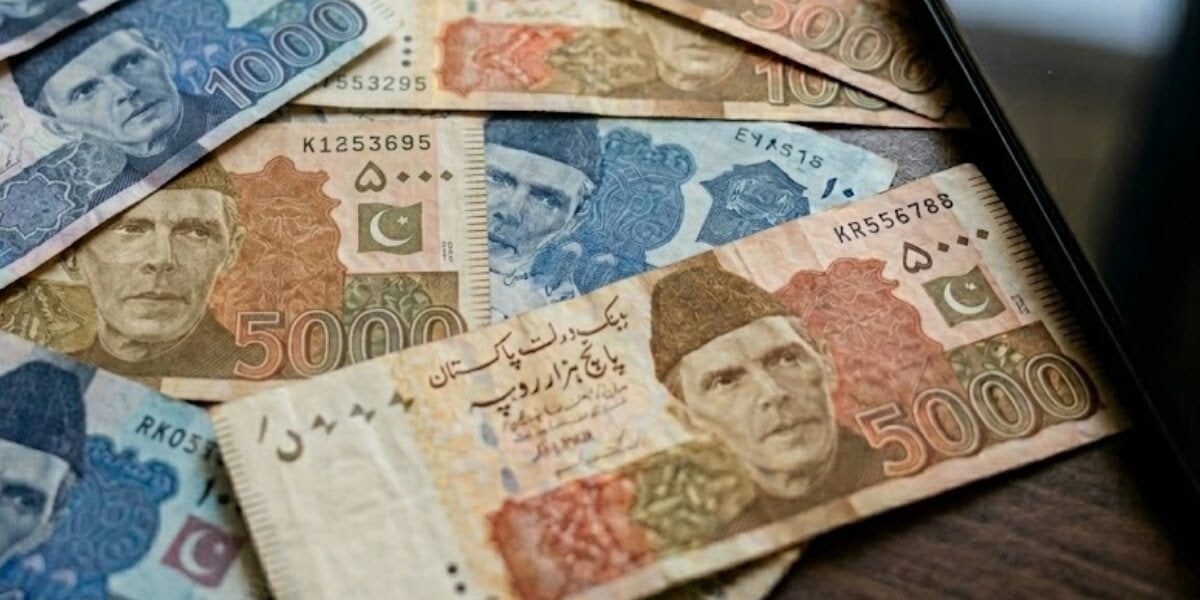
BISP transfers this money every three months. Starting in January 2025, the standard payment was Rs. 13,500 per quarter. However, to help families manage rising costs, the government officially increased this payment from March 2026 onwards to Rs. 14,500 per quarter.
You can collect these funds via biometric verification using ATMs and agents from partner banks like HBL and Bank Alfalah. You can also use authorized JazzCash and Easypaisa services or local BISP payment camps.
Benazir Taleemi Wazaif: School Stipends
If you are an active Kafaalat beneficiary, your school-going children qualify for extra cash under Taleemi Wazaif. This program encourages low-income families to keep their children in school, especially girls.
To receive these payments, children must maintain at least 70% school attendance every quarter. If a child falls below 70% attendance for three consecutive quarters, BISP will suspend their stipend.
| Education Level | Boys (Quarterly) | Girls (Quarterly) |
| Primary (Ages 4-12) | Rs. 2,500 | Rs. 3,000 |
| Secondary (Ages 8-18) | Rs. 3,500 | Rs. 4,000 |
| Higher Secondary (Ages 13-22) | Rs. 4,500 | Rs. 5,000 |
Note: Girls completing Class 5 also receive a one-time graduation bonus of Rs. 3,000.
Benazir Nashonuma: Nutrition Support
The Nashonuma program tackles maternal and child malnutrition during the first 1,000 days of life. Active Kafaalat beneficiaries who are pregnant, lactating, or have children under two years old are eligible.
Mothers receive an extra Rs. 2,000 per quarter. Families receive Rs. 2,000 per quarter for a boy-child under two, and Rs. 2,500 per quarter for a girl-child under two. You also receive free nutritional sachets, pink for mothers and blue for children, at every visit.
You must attend health sessions and bring your children in for routine check-ups. You cannot register for Nashonuma online. You must visit a Nashonuma Centre in person, which is typically located inside a District or Tehsil Headquarters Hospital (DHQ/THQ).
Common Scams & How to Protect Yourself
Whenever quarterly payments are released, scammers target vulnerable families. Remember this strict rule: BISP never charges a fee for registration, status checks, or payments.
- Fake SMS Messages: Scammers send texts demanding a processing fee to release your funds. Legitimate BISP messages only come from the short code 8171. If a message comes from any other mobile number, it is a scam.
- Fake Agents: Ignore people outside offices or social media videos promising guaranteed enrollment for a fee. Never hand your CNIC to anyone outside an official counter, as fake agents often steal the cash.
- Fake Websites: Scammers build websites to steal your identity and account PIN. Only trust the official URL: 8171.bisp.gov.pk. If it does not end in “.gov.pk”, do not use it.
- Illegal Deductions: If a retailer deducts any amount from your cash as a commission or service charge, they are committing a crime. Report them immediately to 0800-26477.
What to Do If Your Payment Is Skipped or Removed
With millions of beneficiaries, payment delays and errors happen. If a quarter’s payment is missing, do not panic.
First, send your CNIC to 8171 via SMS to check your status. If the reply says “Survey Required”, you must go to the NSER center to update your data. If the reply says “Ineligible”, the system has determined you no longer qualify. This happens frequently because of CNIC issues, such as an expired ID, or because an updated survey raised your PMT score above 32.
You have the right to appeal. Go to your nearest BISP Tehsil Office and ask for an appeal or re-verification form. Explain that your payment stopped. You will fill out an updated survey under the dynamic system and present proof of your current living situation. The office will hand you a tracking slip. If your updated data proves you still meet the poverty criteria, BISP will reactivate your payments.
If you feel you were removed unfairly, you can also call the BISP helpline at 0800-26477 to lodge a formal complaint. If BISP fails to resolve your grievance, you can escalate your appeal for free to the Federal Ombudsman at mohtasib.gov.pk. Thousands of families have successfully restored their payments after being wrongly removed, so insist on an update if you meet the criteria.