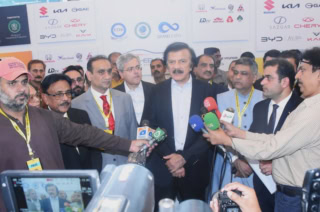
ISLAMABAD: The government has granted production licenses to 57 electric vehicle (EV) manufacturers, which is a significant step towards sustainable transportation and combating climate change. This move aligns with Pakistan’s broader vision of developing an eco-friendly and greener transportation infrastructure.
In 2019, the government passed the National Electric Vehicles Policy (NEVP), which sets out ambitious targets for the electric vehicle industry. Electric vehicles are set to make up 30% of passenger vehicles and heavy-duty truck sales by 2030, with an even loftier goal of 90% by 2040, according to the strategy.
The policy also establishes goals for buses, two-wheelers, and three-wheelers, with the goal of having half of all new sales be electric by 2030 and 90% by 2040.
Government officials have authorized 55 companies to produce two-and three-wheelers, and 2 to assemble four-wheelers, in an effort to boost domestic EV production.
Expanding EV Infrastructure
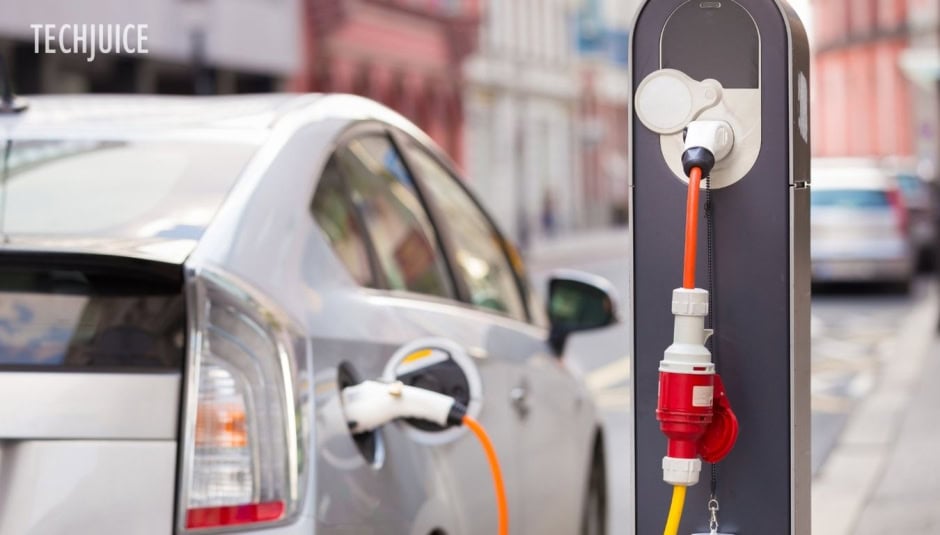
To accommodate the expanding network of electric vehicles, plans are underway to build charging stations, including rapid chargers and stations to swap out batteries.
Under the new EV policy, the government is not only making an effort to manufacture EVs, but they are also providing incentives to buyers. Free registration, yearly token costs, and toll tax exemptions are all part of the package.
In addition, every province, including Islamabad, is going to have an electric car zone put in place to encourage people to buy and use EVs.
Even with all these improvements, people are still not happy with how quickly EVs are being made. Despite a goal of 600,000, Pakistan had only managed to create 60,000 electric vehicles by the end of 2024, according to a Senate Standing Committee.
To encourage more people to buy electric vehicles, the government cut the electricity rate for companies that run charging stations for these vehicles by 45 percent. By the end of February, the cost will have dropped from Rs71.10 ($0.14) a unit to Rs39.70, due to this price cut.
The government is predicting that investors in the sector will have a return on investment (ROI) of more than 20%.
The energy ministry is also working to lessen the nation’s dependency on petroleum. More than 30 million Pakistani vehicles, including those with two or three wheels, use more than $5 billion worth of petrol per year.
One million two-wheelers will be converted to electric bikes as part of the government’s energy reforms, which would save approximately $165 million in gasoline import expenses annually.
In a separate statement, Pakistan’s energy minister asked international banks to help fund the country’s shift to electric vehicles.