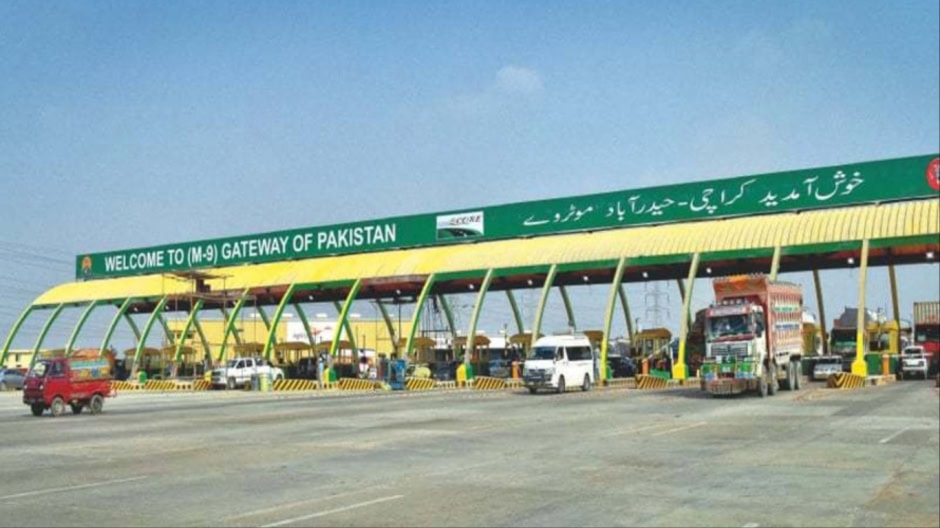
ISLAMABAD: The National Highways Authority (NHA) has reported a significant surge in M-Tag adoption, with the rate rising from 55% in January to 65% in February 2025. This increase comes after the introduction of a 25% additional toll charge on vehicles without M-Tags, resulting in smoother traffic flow and less congestion on motorways across Pakistan.
Official data reveals that the proportion of non-M-Tag vehicles has dropped from 45% in January to 35% in February. This shift is part of NHA’s ongoing efforts to transition to a fully digital toll collection system, aimed at enhancing travel efficiency nationwide.
A senior NHA official highlighted the positive impact of the M-Tag system, stating, “We’re seeing clear progress in modernizing the toll collection process, and it’s making a noticeable difference.” The increased adoption of M-Tags has significantly reduced waiting times at toll plazas, providing motorists with a faster and more seamless travel experience.
To accelerate this transition, the Motorways Police enforced an additional toll charge on vehicles without M-Tags starting February 1, 2025. The decision was based on a notification issued on January 31, which stated that vehicles without an M-Tag or with low balances would incur an extra 25% toll charge, with a minimum additional charge of Rs50.
M-Tags are prepaid stickers attached to vehicles, enabling fast, cashless transactions at toll plazas. This system allows motorists to bypass long queues by using designated fast-track lanes. The NHA has urged motorists to register for M-Tags to avoid extra charges and contribute to a more efficient motorway network.
The NHA has reiterated its commitment to fully implementing the M-Tag system, emphasizing that widespread adoption is crucial for minimizing traffic bottlenecks and improving the overall efficiency of the motorway infrastructure.