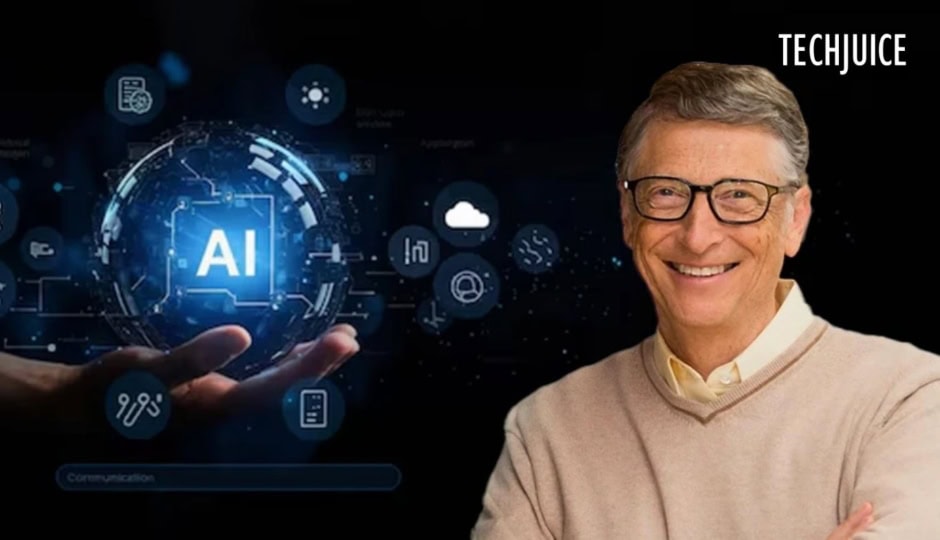
As artificial intelligence continues to reshape industries, Microsoft co-founder Bill Gates has highlighted three careers that he believes will stand the test of automation: biologists, energy experts, and programmers.
These professions, he argues, depend on skills that AI still struggles to imitate, such as human creativity, intuition, and the ability to solve complex, unpredictable problems.
Creativity Over Code
While AI is exceptional at data crunching and pattern recognition, Bill Gates emphasized that it falls short when it comes to generating original ideas or making intuitive scientific leaps.
“Biologists play a critical role in human development and medical discovery,” he explained. “Even with AI assistance, forming hypotheses and making conceptual breakthroughs is still a deeply human endeavour.”
Biologists, he suggests, remain indispensable because of the innovative nature of their work, especially in areas like medicine and genetics, where nuanced understanding and insight are vital.
Human Intelligence in an Uncertain World
Gates also pointed to the urgent need for energy professionals, especially as the world grapples with a volatile climate. These experts bring deep, experience-driven insights into solving challenges that AI alone cannot fully understand.
Programmers, meanwhile, are crucial not just for building AI but for guiding its evolution. Though AI tools can assist in software development, Gates noted that designing novel, secure, and adaptive platforms requires constant human oversight and fresh thinking. As he put it, creating truly innovative systems demands the ability to adjust to new threats and shifting global needs — something AI hasn’t mastered.
In a lighter moment during an appearance on The Tonight Show Starring Jimmy Fallon, Bill Gates added a fourth
“AI-proof” job: athletes. “You know, like baseball — we won’t want to watch computers play baseball,” he said. “There’ll be some things we reserve for ourselves.”
This playful comment underscores a deeper truth: certain human experiences, such as watching live sports or participating in physical competition, are deeply emotional and cultural, making them unlikely candidates for AI replacement.
Despite public anxiety over automation and job losses, Bill Gates remains optimistic about AI’s future. He envisions it as a powerful tool in fields like healthcare, education, and agriculture, so long as it’s guided by ethical frameworks and clear public policies.
Having led Microsoft through the rise of personal computing, Gates now serves as one of the world’s most influential voices on the societal impacts of emerging technologies, from pandemics to climate change and beyond.