Elon Musk has officially announced that the Tesla robotaxi service will begin pilot testing in Austin, Texas, by the end of June. The initial trial will deploy a small fleet of 10 autonomous vehicles as the company takes its first major step toward a fully self-driving ride-hailing solution.
During an interview at Tesla’s Austin headquarters with CNBC, Musk shared that this pilot program marks the official launch of Tesla’s autonomous mobility vision. If the pilot is successful, Tesla aims to scale operations quickly, potentially putting up to 1,000 vehicles on the road within a few months.
“It’s prudent for us to start with a small number, confirm that things are going well, and then scale it up,” Musk explained.
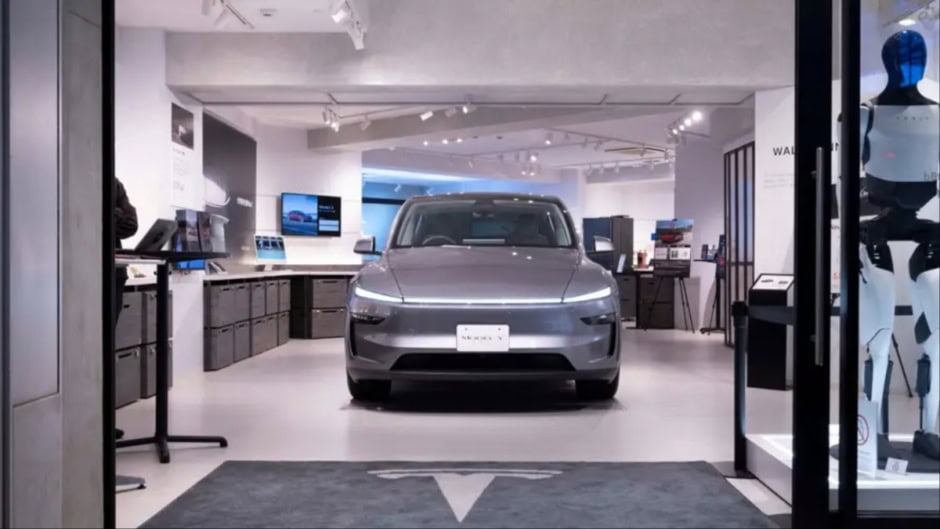
The Tesla robotaxi service will initially use Model Y vehicles integrated with the latest Full Self-Driving (FSD) software, known as “FSD Unsupervised.” Operations will be geofenced, restricting the fleet to designated areas within Austin, and will run without onboard human safety drivers.
Tesla employees will remotely monitor the vehicles to maintain safety and ensure performance benchmarks are met throughout the trial.
Musk Confirms Plans for Tesla Robotaxi Service Expansion
Musk confirmed that after Austin, the company plans to expand the service to Los Angeles and San Francisco, depending on the results of the initial phase.
Tesla has long promised fully autonomous vehicles, dating back to Musk’s initial projection in 2016. However, the company’s current offerings still require human supervision and have not yet received full regulatory approval for hands-free operation.
Differentiating Tesla from its competitors, Musk emphasized that Tesla’s autonomy strategy depends exclusively on artificial intelligence, camera systems, and neural networks—eschewing radar or lidar used by companies like Alphabet’s Waymo.
“What will actually work best for the road system is artificial intelligence, digital neural nets and cameras,” Musk stated.
Waymo currently dominates the autonomous ride-hailing space, logging more than 250,000 paid driverless trips weekly across several U.S. cities.
Musk also addressed Tesla’s recent 20% decline in automotive revenue for Q1 2025, attributing it to factory adjustments ahead of a revamped Model Y release. He added that demand is already showing signs of recovery.
Despite increased political activity and commitments to SpaceX and xAI, Musk reiterated his dedication to Tesla, stating he intends to lead the company for at least the next five years.