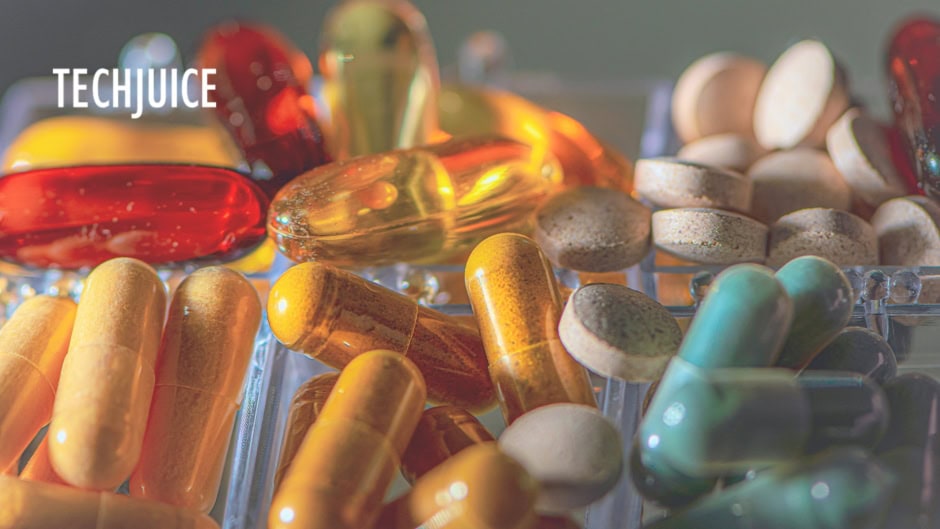
In the quest for optimal health, many turn to vitamin supplements. However, recent insights reveal that excessive intake of certain vitamins, specifically A and E, may do more harm than good.
Understanding Water-Soluble and Fat-Soluble Vitamins
Water-soluble vitamins dissolve in fluids. These contain vitamin C and all eight B vitamins. Because they dissolve rapidly and are absorbed and metabolized swiftly, their nutrients are used immediately and not retained.
However, fat-soluble vitamins A, D, E, and K are stored in the liver and fatty tissue for later use. This system assists with demands like accumulating vitamin D during summer to compensate for winter sunlight, but it can also lead to hazardous levels.
Because of this, the National Academies of Sciences, Engineering, and Medicine provide Tolerable Upper Intake Level (UL) safety standards to show the maximum amount of specific vitamins that can be ingested without harm.
Among the four fat-soluble vitamins, experts advise caution with vitamins A and E.
Vitamins are categorized based on their solubility: water-soluble (like B-complex and C) and fat-soluble (A, D, E, and K). Fat-soluble vitamins are stored in the body’s fatty tissues and liver, making them more prone to accumulation and potential toxicity when consumed in excess.
The Risks of Excess Vitamin A
Vitamin A is essential for vision, immune function, and reproduction. However, surpassing the recommended daily allowance can lead to toxicity. The healthy dosage is 900 micrograms for men and 700 micrograms for women. Symptoms include joint pain, liver damage, and birth defects. Notably, a single serving of beef liver can contain over 6,500 micrograms of vitamin A, more than double the safe daily limit.
Vitamin E: Not Always Beneficial
Often lauded for its antioxidant properties, vitamin E supplementation has its pitfalls. High doses can interfere with blood clotting, increasing the risk of hemorrhages. Additionally, some studies have linked excessive vitamin E intake to an elevated risk of prostate cancer.
Expert Opinions on Supplementation
Health professionals emphasize that most individuals obtain sufficient vitamins through a balanced diet.
Dr. JoAnn Manson of Brigham and Women’s Hospital notes, “Dietary supplements aren’t the magic pill for health; the benefits often don’t outweigh the risks… That’s not to say that some groups of people don’t need to supplement certain nutrients; only that most people don’t need to supplement all the vitamins they often think they do.”
Similarly, Dr. Walter Willett from Harvard T.H. Chan School of Public Health advises against routine supplementation without a specific deficiency.
While vitamins A and E are vital for health, their supplementation should be approached with caution. Prioritize obtaining these nutrients from natural food sources and consult healthcare providers before starting any supplement regimen. Remember, when it comes to vitamins, more isn’t always better.