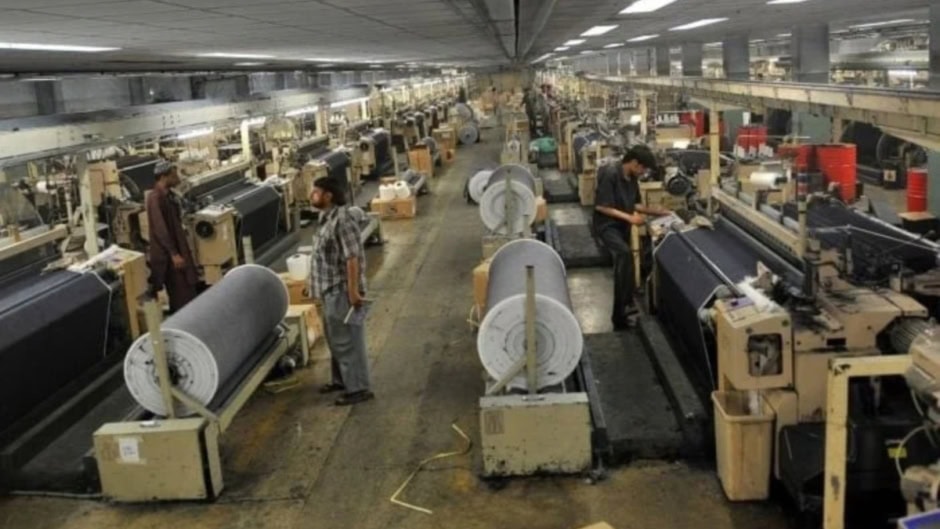
ISLAMABAD: The LSM growth in Pakistan recorded a 1.5% contraction during July–March FY2025, compared to a marginal decline of 0.22% in the same period last year, according to the Pakistan Economic Survey 2024-25.
Large-Scale Manufacturing (LSM), which makes up 67.5% of the manufacturing sector and 8.0% of the GDP, continues to face sustained pressure. In contrast, Small-Scale Manufacturing (SSM) and Slaughtering contribute 2.4% and 1.4% to GDP, respectively.
The report outlines a slowing trend in overall manufacturing, which posted a 1.3% growth in FY2025 — down from 3.0% the previous year. The key driver behind this deceleration was the negative LSM growth in Pakistan, down 1.5% compared to a 0.9% increase in FY2024. Meanwhile, SSM and Slaughtering grew 8.8% and 6.3%, respectively, providing limited support to the broader sector.
This marks the third consecutive year of LSM contraction, mainly due to persistent structural issues, soaring input costs, and slowdowns in sectors like Food, Chemicals, Iron & Steel, and Electrical Equipment. However, some industries managed to register gains — including Wearing Apparel, Textiles, Coke & Petroleum Products, Pharmaceuticals, and Automobiles.
Despite the overall decline, LSM showed a Year-on-Year (YoY) improvement of 1.8% in March 2025, slightly up from 1.7% in March 2024. However, the Month-on-Month (MoM) performance weakened, with a 4.6% drop in March 2025 following a 5.6% dip in February.
Based on the Quantum Index of Manufacturing (QIM), LSM posted a 1.53% decline in FY2025, down from a 0.94% increase last year. The mixed sectoral performance revealed deep contractions in chemicals (-5.51%), iron & steel (-10.94%), electrical equipment (-15.89%), and fabricated metal products (-17.16%). On the positive side, notable growth came from automobiles (40%), wearing apparel (7.62%), textiles (2.15%), and petroleum products (4.48%).
Experts point to elevated taxes and rising production costs as ongoing challenges weighing down LSM growth in Pakistan, calling for urgent policy support to revive industrial output.