Drones have already transformed industries, from inspecting bridges to aiding disaster response, but physical interaction with the environment has remained a major hurdle. Most drones lack the precision and flexibility needed for hands-on tasks in tight, unpredictable spaces.
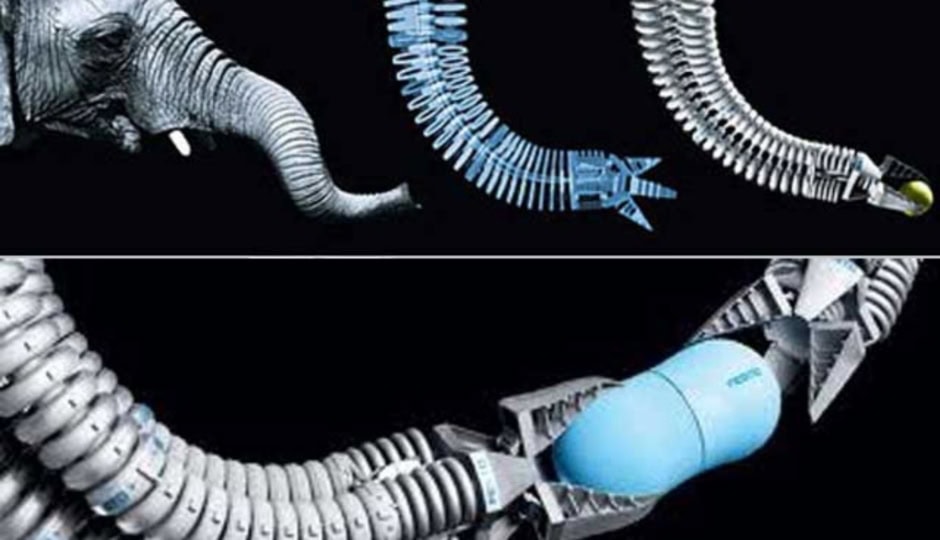
Now, researchers at the University of Hong Kong (HKU) have introduced a game-changing solution: the Aerial Elephant Trunk (AET). Developed by Professor Peng Lu and his team from the Department of Mechanical Engineering. AET is a flexible, shape-morphing robotic arm that mimics the versatility of an elephant’s trunk.
Traditional aerial robotic arms rely on rigid grippers, limiting their range of motion and payload capacity. The AET redefines this standard. Built with a soft and flexible structure, it wraps around objects instead of pinching them. This gives drones the ability to grab items of various shapes and sizes, even in narrow or awkward spaces.
“AET is extremely dexterous compared to existing aerial manipulators, as its body can change into any shape,” said Professor Lu.
Versatility in Action
This flexibility enables drones to navigate tight pipelines, twist around obstacles, and even carry out repair or removal tasks after disasters. With the AET arm, drones can perform:
- Disaster debris removal
- Bridge and power line maintenance
- Detailed inspections in confined areas
As countries invest in aerial logistics and remote servicing, innovations like AET will boost the low-altitude economy. Also, these technologies are key to advancing infrastructure monitoring and drone-based solutions. These advanced drone systems could become critical tools for sectors requiring agility, precision, and safe access to hard-to-reach zones.
The Aerial Elephant Trunk marks a major leap forward, one that may redefine how we use drones in complex, real-world scenarios.