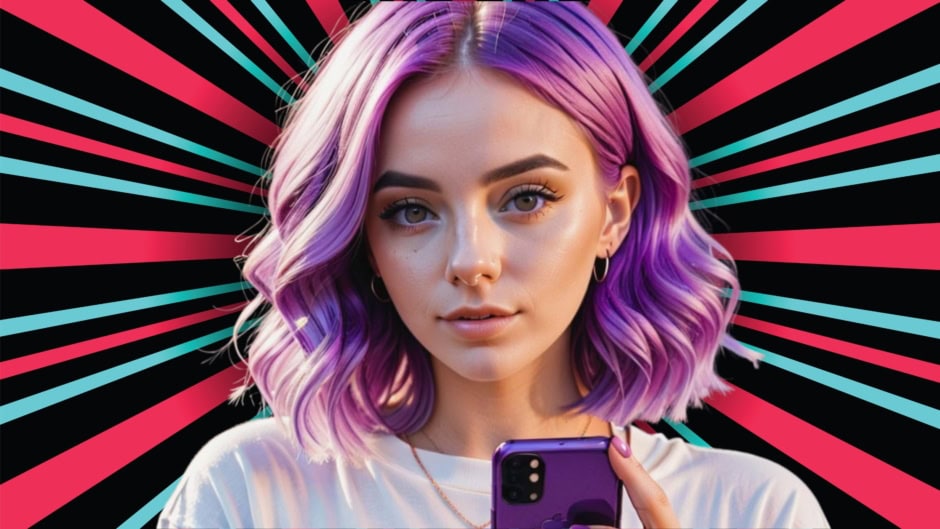
TikTok AI, also known as Symphony, underwent a major upgrade to enhance its ad creation. What this update brings to the equation are brands making lifelike influencer-style advertisements using synthetic avatars. These AI figures can hold products, try on clothing, or demonstrate apps, behaving much like real creators.
Advertisers simply input text prompts or images, and the system produces polished video content, ready for global deployment. Moreover, TikTok promises these AI-generated ads will include clear labeling and undergo safety reviews. But not everyone is thrilled. Their visual realism has already raised ethical questions, as some viewers might not be able to distinguish between human and machine-generated content, experts warn.
TikTok AI Ads Vs Real Influencers
While advertisers see the benefits of cost savings and creative speed, many human influencers are expressing concern. By automating content creation, brands can bypass contracts and reduce expenses associated with working with real people.
Kristen Bousquet, a micro-influencer, noted, “If this caught on, I’d be very scared for the future of my business.”
The fear is that AI avatars could flood the platform with generic, high-volume content, making it harder for human creators to compete or maintain fair rates.
Some creators are worried about their likeness or style being mimicked without permission, adding fuel to the debate over ownership and ethical AI use in marketing. We have already seen litigations against lead AI companies for bypassing copyright laws. If TikTok AI ads or its like becomes norm, it is bound to make influencers worry about their footing.
TikTok Changing the Advertising Industry
TikTok has undoubtedly initiated a change in the advertising industry with Symphony. The AI now includes tools for scripting, multilingual dubbing, and editing, along with integration of professional stock visuals. This full-suite solution lets advertisers rapidly launch campaigns across regions, languages, and demographics.
However, marketing experts warn that AI ads might lack the authenticity that younger audiences value. Consumers may grow skeptical of overly polished, machine-generated messaging, especially when transparency is lacking.
As the Federal Trade Commission and global regulators turn their focus to AI advertising, TikTok’s rollout of synthetic influencer ads could be a glimpse into the new face of digital marketing, however unethical it may seem.