ISLAMABAD: The newly announced Pakistan EV policy is making waves as the government rolls out a Rs9 billion plan to boost electric bikes and three-wheelers, marking a major step toward green transportation.
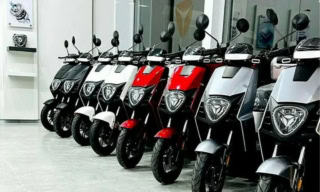
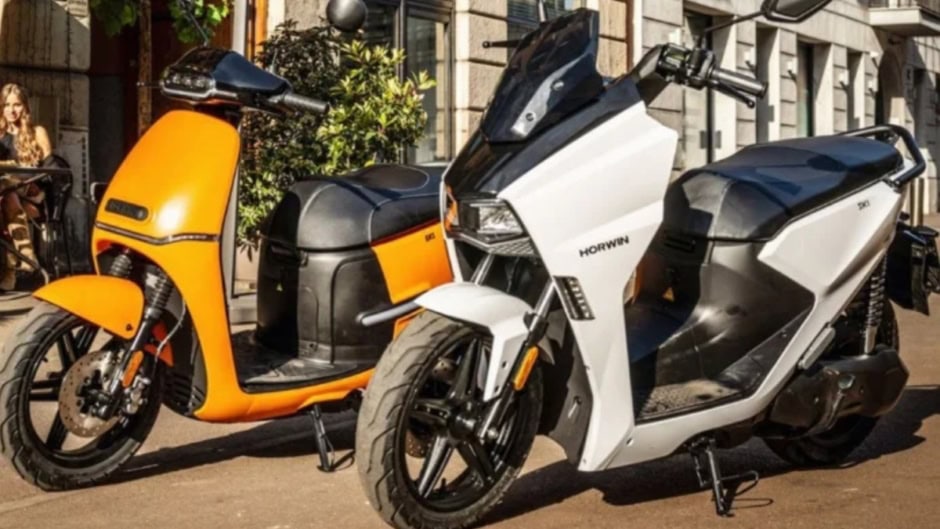
Under the Sharif administration, the National Electric Vehicle (NEV) Policy has been introduced to fast-track the country’s shift to sustainable mobility. The initiative includes Rs9 billion in subsidies to support the purchase of over 116,000 e-bikes and 3,100 electric rickshaws. The entire process will be managed through a dedicated digital platform to ensure efficiency and transparency.
The broader scope of the policy includes a subsidy package exceeding Rs100 billion. A key feature is the promotion of gender inclusion, with 25% of the subsidies reserved specifically for women to encourage their participation in Pakistan’s electric mobility revolution.
To discourage the use of fossil-fuel vehicles, the government has introduced a NEV Adoption Levy on petrol and diesel vehicles. The levy applies progressively: 1% on cars below 1300cc, 2% on vehicles between 1300cc and 1800cc, and 3% on those above 1800cc. These additional costs are expected to make traditional vehicles less appealing, further accelerating the shift toward electric options promoted under the Pakistan EV policy.
Measures to Boost Domestic EV Manufacturing
In support of local industry, the policy also includes measures to boost domestic EV manufacturing. Protective tariffs will apply to parts for two- and three-wheeled EVs, with the goal of achieving 90% localization. This move aims to create jobs and build a sustainable electric vehicle production ecosystem in Pakistan.
The policy heavily emphasizes infrastructure development. An initial rollout of 40 EV charging stations is planned along major motorways. Additionally, battery swap stations are in the works, and revised building codes will mandate EV charging points in all new constructions. The government is also calling on the private sector to help meet the ambitious target of 10,000 EV charging stations by 2030.
With substantial funding, regulatory support, and a focus on local production and accessibility, the Pakistan EV policy is set to reshape the transportation landscape, promoting environmental sustainability and economic growth.