Auto loans in Pakistan continue to rise steadily, reaching Rs271.2 billion in May 2025, a clear sign that falling interest rates are reviving consumer demand.
This marks the sixth consecutive month of growth, up from Rs263.3 billion in April, according to the latest figures.
The significant boost in auto financing is largely driven by the State Bank of Pakistan’s aggressive policy rate cuts. Since June 2024, the central bank has slashed rates from 22 percent to 11 percent, making auto loans more accessible, particularly for small and mid-range vehicles.
Though the current financing level remains well below the Rs368 billion peak in June 2022, industry watchers see the recent uptick as promising. It reflects renewed consumer confidence in the auto market, at least for now.
Car Sales Jump 39%
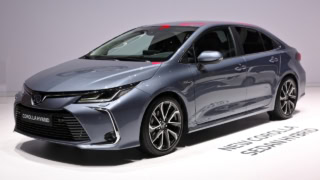
Automakers have also seen a lift in sales, with combined sales of cars, SUVs, pickups, and vans hitting 126,226 units, a 39% year-on-year increase. However, market optimism may be short-lived, as analysts warn of policy instability beyond September 2025, which could impact demand.
Adding to the uncertainty is the introduction of the NEV Adoption Levy 2025. The new levy imposes additional taxes on vehicles based on engine size:
- 1% tax for engines up to 1,300cc
- 2% tax for 1,301–1,800cc
- 3% tax for engines above 1,800cc
According to Insight Securities, this tax could raise car prices by anywhere from Rs44,790 to Rs596,970, depending on engine capacity.
Who Gets Hit the Hardest?
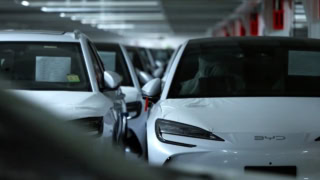
The levy is expected to hit Honda Atlas Cars and Indus Motor the hardest, as both companies primarily deal in petrol vehicles with larger engine capacities. In contrast, Sazgar Engineering, which focuses on hybrid and electric vehicles, may experience minimal impact.
In a parallel development, the government has also unveiled the National Tariff Policy 2025–30. This policy aims to gradually reduce trade barriers in the auto sector by:
- Phasing out additional customs duty over four years
- Eliminating regulatory duty within five years
- Removing the Fifth Schedule of the Customs Act 1969 in the same period
If fully implemented, the tariff policy could potentially improve market competitiveness and lower long-term vehicle costs. However, its effectiveness depends on consistent execution.
While falling interest rates and rising sales offer a short-term boost to Pakistan’s auto sector, tax levies and uncertain policy environments remain critical hurdles. The industry now waits to see whether these reforms will bring long-term stability or add further complications.