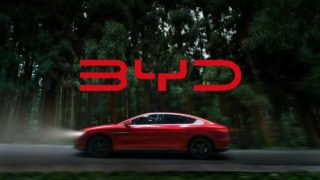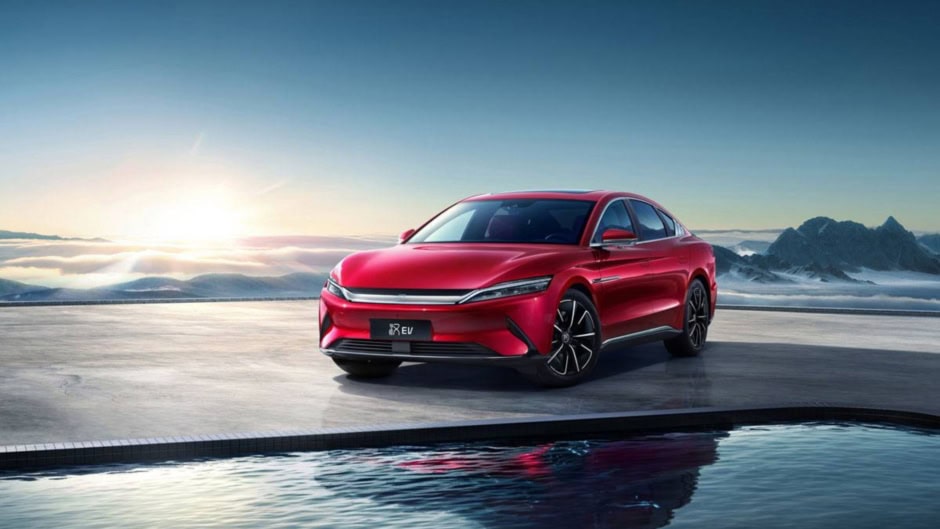
Chinese EV giant BYD shocks the industry once again. It has unveiled a megawatt-charging system that adds 900 miles of range in just 12 minutes. This leap brings EV convenience much closer to that of fueling a gas vehicle. The new tech powers BYD’s Super e Platform.
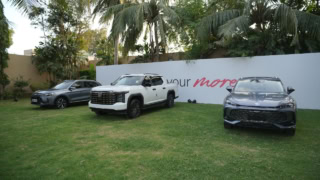
It supports charging at 1,000 kW (1 MW), delivering up to 2 km of range per second during peak use. In live demos with the Han L and Tang L models, BYD showed 400 km (around 250 miles) of range in just five minutes. This demo highlights how quickly BYD is closing in on the 900-mile goal.
BYD’s Technical Power Behind the Speed
Several core innovations drive this charging speed. BYD upgraded its Blade LFP battery chemistry. It added new electrolytes and stronger separators. These changes allow 10C charging rates and safely handle 1,000 A currents without overheating.
To manage heat and stress, BYD also uses liquid-cooled charging cables and a silicon carbide power module that runs at 1,500 V. The Super e Platform powers a 580 kW motor spinning at 30,000 rpm. Together, these components show how BYD is pushing EV performance from all angles.
Meanwhile, BYD is scaling infrastructure at home. It plans to launch over 4,000 megawatt flash chargers across China. Around 500 will go live in the first phase. This rollout aims to eliminate charging anxiety and make long-distance EV travel smoother. As a result, BYD strengthens its position as a global leader in fast EV charging.
Market Impact and Competitive Pressure
This breakthrough is already shaking up global markets. BYD’s stock climbed after the announcement. Its Q4 earnings showed a 73% jump in net income, boosted by innovation. At the same time, CATL, another Chinese battery giant, introduced tech that adds over 300 miles in five minutes. This move further cements China’s lead in EV innovation.
However, BYD still faces global challenges. Most countries lack the infrastructure needed for megawatt charging. The absence of high-capacity grid support and specialized components slows adoption outside China. And while BYD’s LFP batteries resist heat well, no long-term data yet confirms their durability under constant ultra-fast charging.
What Comes Next for BYD and EV Adoption
This milestone hints at a future where charging an EV feels as quick as filling a gas tank. To make that future real, global infrastructure must catch up fast. Automakers also need to redesign vehicles for megawatt-level charging compatibility.
With working prototypes like the Han L and Tang L already on display, the company gears up for aggressive expansion. Its next stops likely include Europe, North America, and other global markets ready for next-gen EV tech.