Mercedes-Benz solar paint technology could allow electric vehicles (EVs) to generate power directly from sunlight, offering the potential to add up to 20,000 kilometers of range per year under ideal conditions.
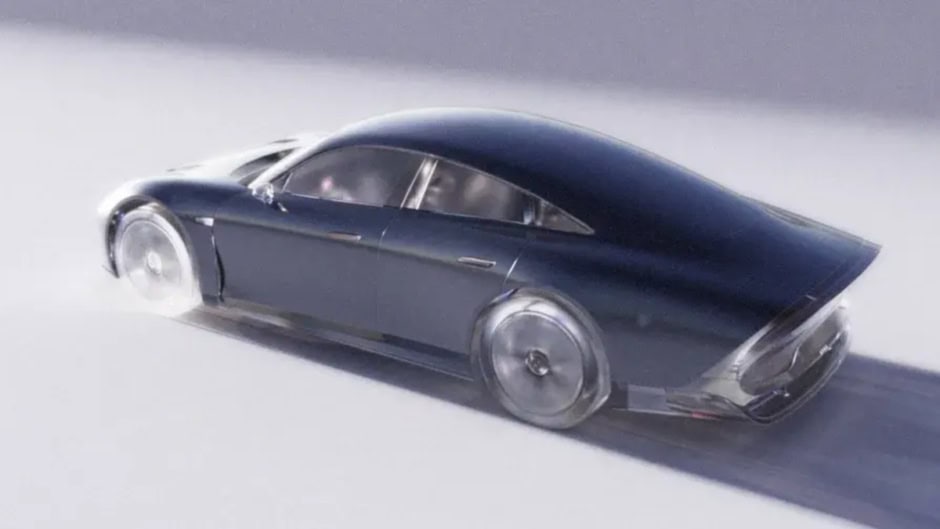
Mercedes-Benz has unveiled an innovative solar paint system designed to let EVs harness sunlight for power, potentially reshaping the future of electric mobility. At the core of this concept is a Mercedes-Benz solar paint — a 5-micron-thick layer that weighs just 50 grams per square meter and embeds ultra-thin photovoltaic cells into the car’s body panels without altering its look or aerodynamics.
A nanoparticle-based top layer ensures 94% of sunlight penetrates to reach these embedded cells while still supporting a wide variety of custom paint colors. With around 11 square meters of surface area, the solar paint can generate enough electricity to power roughly 12,000 kilometers of driving annually in Europe, and up to 20,000 kilometers in sunnier climates like California.
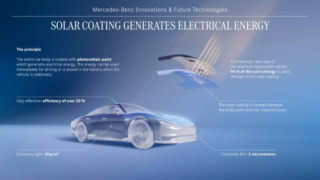
These solar cells operate at about 20% efficiency, matching traditional rooftop solar systems. Mercedes-Benz engineers have also created a micro-converter to raise the paint’s low voltage output to a level compatible with EV high-voltage systems. This conversion continues even when the car is parked, letting the vehicle harvest energy all day long.
Mercedes-Benz noted that under certain scenarios, the solar paint could produce surplus energy, which might be redirected to home systems through vehicle-to-grid (V2G) technology. The eco-friendly paint avoids rare earth materials and silicon, keeping costs lower and reducing environmental impact. It also applies at room temperature, removing the need for specialized ovens or high-energy equipment.
However, scaling this technology remains a challenge. Varying curves and materials of car surfaces require meticulous calibration to ensure consistent energy production. The system must also remain reliable despite exposure to weather, dirt, and general wear over time. Mercedes-Benz plans to continue development and field tests through 2025, with a possible commercial rollout around 2040.
By allowing EVs to generate power directly from sunlight, Mercedes-Benz solar paint could lessen dependence on public charging stations and extend practical driving ranges. While unlikely to fully replace plug-in charging, experts believe this innovation could cut operating costs and ease range anxiety, especially in regions with abundant sun — ultimately encouraging broader EV adoption.