Over 800 Chinese and international tech companies converged at the World AI Conference in Shanghai, spotlighting more than 3,000 AI innovations amid stringent US export controls. Chinese giants like Huawei and Alibaba joined startups including DeepSeek and Unitree, while Western players such as Tesla, Alphabet and Amazon also participated. Premier Li Qiang opened the event, underscoring AI’s central role in China’s national development agenda aimed at global leadership by 2030.
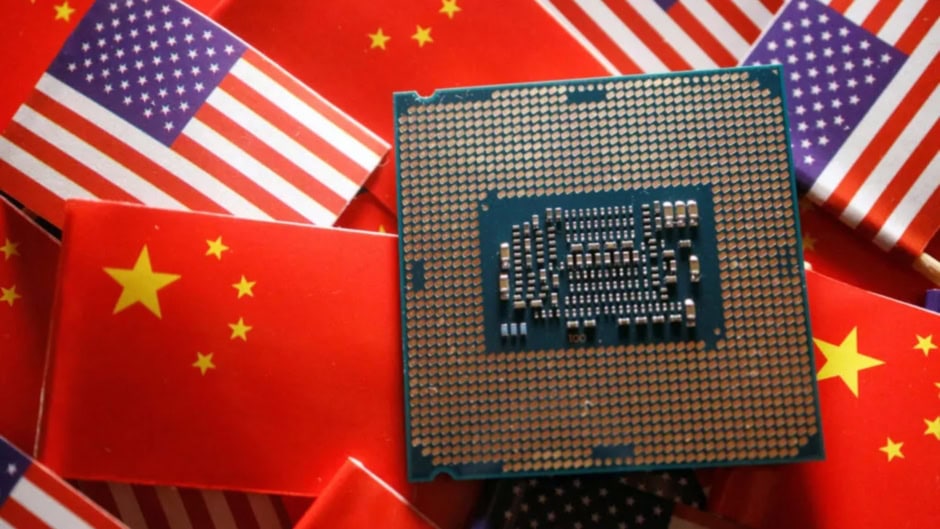
Chinese firms continue to innovate despite U.S. sanctions restricting advanced chips and semiconductor equipment. Trailblazing AI startup DeepSeek unveiled a low-cost, high-performance LLM that rivals Western models, prompting Nvidia CEO Jensen Huang to praise AI models from DeepSeek Alibaba and Tencent as “world class.”
China’s AI Setup Is Flourishing Under Pressure
Sanctions targeting chip exports have pushed Chinese AI companies to adapt creatively. Huawei CEO Ren Zhengfei acknowledged that although Huawei’s chips lag behind leading U.S. technology, the company relies on cluster computing and alternative architectures to remain competitive. Homegrown semiconductor startup Biren Technology even redesigned its GPU to skirt export restrictions and secure domestic production via local partnerships with TSMC.
Startup DeepSeek, part of Hangzhou’s “Six Little Dragons” (including Unitree Robotics and Game Science), has emerged as a major disruption force. DeepSeek’s affordable yet powerful models have triggered a global reevaluation of high-cost AI strategies. Its reasoning-enabled models like DeepSeek‑R1 and R3 have flooded markets with open-source AI tools that offer strong performance at fraction of the cost compared to U.S. competitors.
Chinese Tech Companies Seek Global AI Framework
In a bold diplomatic move, Chinese Premier Li Qiang proposed establishing a global AI cooperation organization. It will be aimed at coordinating regulation and ensuring inclusive access to AI tools. The plan outlines governance engagement especially with Global South nations and pushes against monopolization of AI by a small number of powerful nations or firms. China emphasized the importance of opening its AI tech to emerging economies and creating a shared regulatory framework.
The success of firms like DeepSeek and widespread adoption of China’s AI innovations suggest the balance of global digital power is shifting. Institutional governance proposals further position China as a central player in defining the future of AI regulation. Together these developments could reshape innovation, market access, and global norms around artificial intelligence.