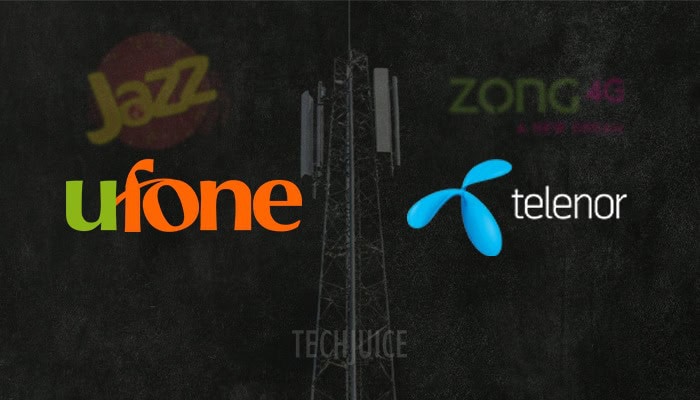
The Competition Commission of Pakistan (CCP) has conditionally approved Pakistan Telecommunication Company Limited’s (PTCL) acquisition of Telenor Pakistan and Orion Towers. The decision marks one of the most significant mergers in Pakistan’s telecom industry, prompting cautious reactions from major rivals Jazz and Zong.
Both competitors had earlier opposed the deal, citing dominance risks and market imbalance. However, after the CCP imposed strict conditions, their stance shifted to cautious acceptance. Industry leaders now stress the importance of policy clarity and spectrum release to sustain competition and digital growth.
CCP’s Conditions Aim to Balance Competition
In its detailed Phase II review, the CCP highlighted concerns over market concentration, vertical integration, and potential anti-competitive practices. To address these, the Commission directed PTCL and the merged entity (MergeCo) to ensure fair access to infrastructure and maintain transparent operations.
The CCP also mandated independent audits, timely investments, and complete disclosure of related-party transactions. These measures aim to prevent preferential treatment within PTCL’s business network and ensure a level playing field for all telecom players.
Industry Reactions: Cautious Optimism from Jazz and Zong
Following the CCP’s conditional approval of the PTCL–Telenor merger, both Jazz and Zong have expressed a mix of optimism and concern. While they acknowledge that consolidation could strengthen the telecom industry by improving efficiency and reducing duplicated networks, both companies warn that unchecked market dominance could threaten fair competition.
While speaking to TechJuice, Jazz CEO Aamir Ibrahim welcomed the decision but also struck a note of caution.
“Congratulations to PTCL on receiving CCP approval for the acquisition of Telenor Pakistan. Consolidation can make the telecom industry more sustainable by ensuring resources are invested in expanding services rather than duplicating networks. Now the real priority should be timely spectrum release, which is essential to unlock Pakistan’s digital growth and ensure that millions of people benefit from faster, more affordable connectivity.”
Zong’s Head of Strategy, Nabila Yazdani, said the move raises major stakes for the market, speaking with TechJuice.
“Our journey has never been about numbers alone; it has been about shaping Pakistan’s digital and technology landscape… Innovation is our core DNA. From pioneering 4G and VoLTE to leading 5G trials, Zong has consistently been first in every major technology shift. Pakistan’s digital transformation, however, requires forward-looking government policies, timely spectrum availability, and strong industry-wide collaboration.”
Both Jazz’s and Zong’s responses reflect cautious optimism, acknowledging the merger’s potential to enhance infrastructure and digital reach while reminding regulators that true progress requires fairness, transparency, and sustained investment across the industry.
The Upside: Efficiency, Investment, and Network Expansion
Industry analysts view the merger as a potential turning point. With PTCL absorbing Telenor’s 45 million subscribers, the sector may see reduced network duplication and stronger investment flows.
Economies of scale could allow PTCL to enhance service coverage and improve overall network reliability. Experts believe the merger could bring better connectivity, increased infrastructure sharing, and more efficient use of resources across Pakistan’s telecom landscape.
For consumers, these developments could mean faster internet speeds, broader coverage, and improved service quality, if PTCL meets its investment commitments.
The Downside: Market Power and Competitive Risks
Despite the potential gains, experts warn that unchecked consolidation could harm long-term competition. With PTCL’s growing influence across fixed-line, mobile, and tower operations, there’s concern about reduced market diversity.
The CCP’s conditional approval reflects this regulatory unease. Without consistent oversight, the merger could lead to market foreclosure, pricing control, and limited consumer choice. Industry stakeholders argue that transparent regulation and equal spectrum access are essential to prevent dominance abuse.
The Bottom Line
The PTCL-Telenor merger symbolizes both opportunity and risk for Pakistan’s telecom industry. It could pave the way for digital expansion, stronger infrastructure, and wider connectivity. Yet, its success depends on PTCL’s adherence to fair competition, transparent oversight by regulators, and proactive policy reforms.
As Jazz and Zong’s cautious reactions suggest, the industry’s future will be shaped not just by consolidation but by how well Pakistan balances growth with fair play in its telecom ecosystem.