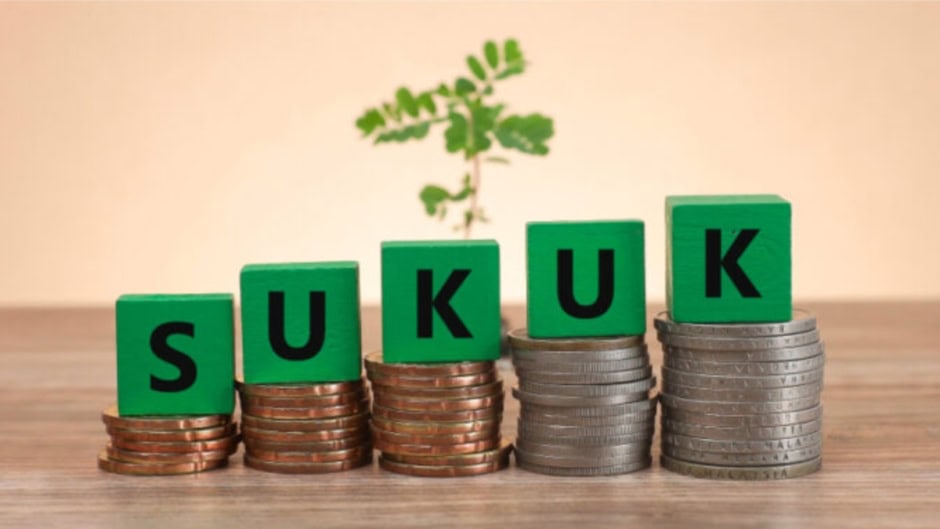
Fitch-rated sukuk continued their upward trend in 2025, reaching $231 billion by the end of the third quarter, with the rating agency calling July to September the strongest third quarter for global sukuk issuance to date.
The latest data shows the Fitch-rated sukuk market expanded 21 percent year over year, reflecting sustained demand and heightened activity across Islamic finance markets. Fitch expects full-year 2025 issuance to surpass 2024 levels, with another solid performance projected for 2026 as the Fitch-rated sukuk universe continues to broaden.
Around 80 percent of Fitch-rated sukuk remain investment grade, with no defaults, rising stars or fallen angels recorded this year. Nearly 88 percent of issuers are assigned Stable Outlooks, while 6 percent are rated Negative, 3 percent Positive and the remaining 3 percent carry no Outlook. Fitch currently rates more than 74 percent of the outstanding US-dollar sukuk market.
Roughly 97 percent of all rated sukuk are senior unsecured instruments. The remainder includes subordinated and senior secured structures, with subordinated sukuk gaining traction among banks looking to meet regulatory requirements, expand capital buffers, diversify funding sources and capitalize on favorable pricing.
By the end of the third quarter, Fitch had assigned ratings to 275 outstanding sukuk and 98 sukuk programs. The largest share falls within the A-category at 40 percent, followed by BBB at 24 percent and BB at 14 percent. About 99 percent of all Fitch-rated sukuk hold international long-term ratings, while the rest are covered under national scales. Most issuances are dual-listed across global exchanges to attract international investors.
Fitch also rates nearly 70 percent of the global hard-currency ESG sukuk market, amounting to $27 billion outstanding. ESG-linked instruments account for around 12 percent of all Fitch-rated sukuk.