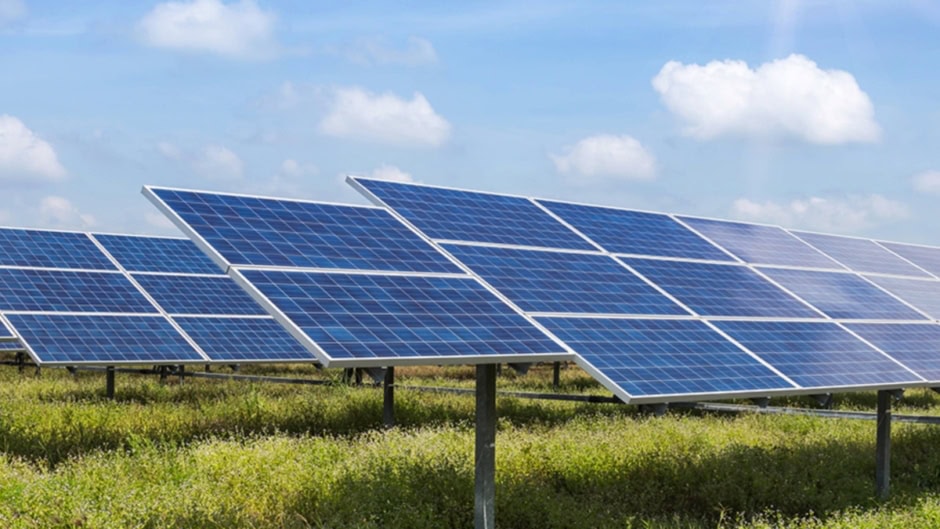
The government is considering a major revision to the solar net metering policy that could directly impact rooftop solar users’ savings. The proposed change would cut the buyback rate from Rs22 per unit to around Rs11.30.
Officials say the current system is raising electricity costs for grid-connected consumers as rooftop solar installations surge across the country. In FY2024 alone, grid sales fell by 3.2 billion units, causing Rs101 billion in revenue losses for power distribution companies. This shortfall led to a tariff increase of nearly Rs1 per unit for traditional electricity users.
Projections from the Power Division indicate the gap could widen significantly. By FY2034, lost sales may reach 18.8 billion units, costing up to Rs545 billion and potentially adding Rs5 to Rs6 per unit to grid tariffs.
A senior official revealed that the prime minister has intervened directly. On October 22, he directed the Power Division and NEPRA to reassess the solar net metering buyback rate and its broader impact before announcing any reforms.
Officials argue many households are treating the system as a “free storage battery,” selling excess electricity at high rates while avoiding fixed charges. This leaves non-solar users carrying the cost of network maintenance, affecting affordability for all.
With new large-scale solar projects being contracted below Rs10 per unit, authorities say lowering the net metering rate is necessary to align rooftop tariffs with actual costs. Rapid growth of net-metered capacity, now estimated at 6,000MW, also creates operational challenges. During winter months, national demand drops to 8,000–9,000MW, raising the risk of excess daytime generation and grid instability.
The proposed changes to solar net metering aim to stabilize electricity tariffs while ensuring rooftop solar growth remains sustainable, though household savings could see a sharp reduction.