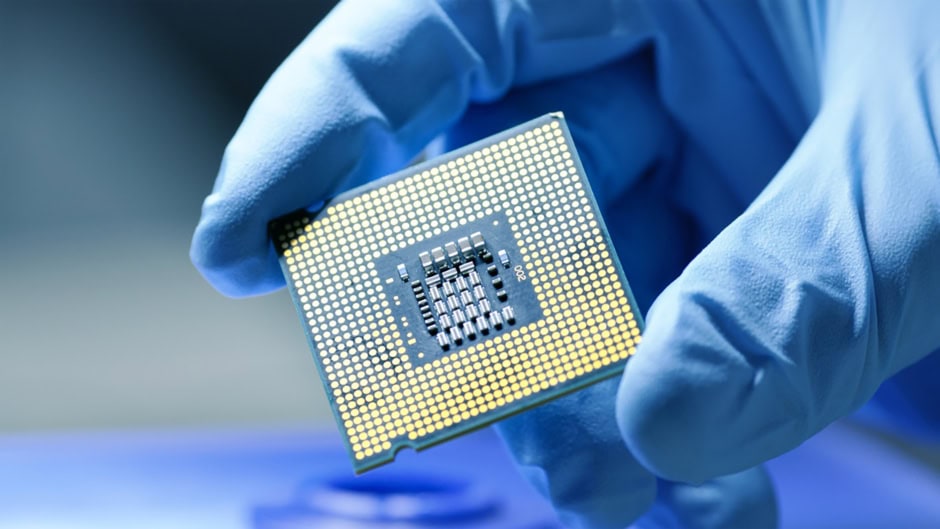
The National Assembly’s Standing Committee on Science and Technology has turned its attention to Pakistan’s stalled semiconductor ambitions, requesting a full briefing in its next meeting as concerns grow over the sector’s lack of direction. The move follows a tense session on Tuesday where senior officials faced unusually direct criticism over long-standing institutional failures and delayed policies.
During the meeting, chaired by Jam Abdul Karim at the Ministry of Science and Technology, Federal Minister Khalid Hussain Magsi issued a blunt assessment of his own ministry.
He said the organizations working under the ministry “have never found direction” and added that the Ministry of Science and Technology is often treated “like a tired institution where a tired minister is appointed.”
He noted that only the Pakistan Standards and Quality Control Authority (PSQCA) is operating effectively and generating revenue.
The committee also reviewed the Pakistan General Cosmetics (Repeal) Bill 2025. The federal secretary informed lawmakers that the bill had been passed but was never enforced, and the federal cabinet later moved to withdraw it. The legislation was initially introduced by MNA Agha Rafiullah.
Rafiullah condemned the withdrawal and argued that the failure to implement the law amounted to a “fraud with the Pakistani nation and the National Assembly.”
He warned that unsafe and toxic materials in cosmetic products still threaten consumers and pose serious risks to human skin.
The secretary responded that Pakistan uses two categories of cosmetics: imported and locally manufactured. He said the cosmetics business would continue even after the repeal of the law. The standing committee then approved the bill’s withdrawal.
As the session progressed, committee member Ammar Leghari urged the ministry to give a comprehensive briefing on semiconductor and chip development. The committee agreed and formally summoned the relevant officials for the next meeting.
The National Institute of Electronics (NIE) also presented an overview of its responsibilities and projects. It outlined its work in electronics design, product development, technical skill training, collaboration with national research institutions, and the production of essential electronic components aligned with emerging technologies.
The committee will reconvene at the COMSTECH headquarters, where officials are scheduled to deliver a detailed presentation on the organization’s performance and ongoing work.