Pakistan’s factories ended the year with renewed energy, signaling stronger momentum as demand improved at home and abroad. Fresh data suggests manufacturers are entering 2026 with growing confidence, supported by easing inflation pressures and a more supportive policy outlook.
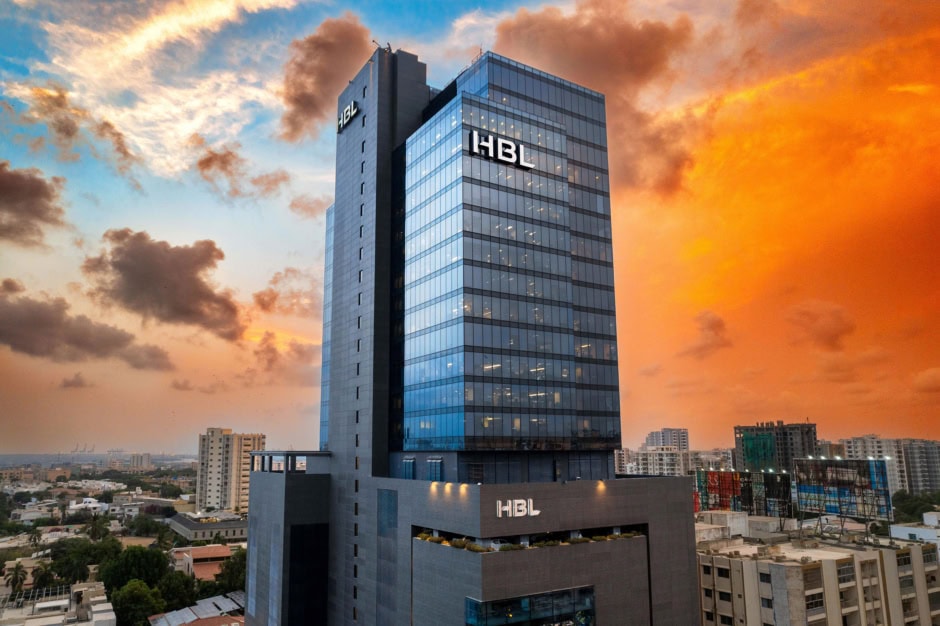
In December, the HBL Pakistan Manufacturing PMI, compiled by S&P Global, rose to 52.8 from 52.3 in November. This marked the strongest reading since February and pointed to a clear acceleration in activity. The uptick reflected firmer production growth and a sharp rise in demand across the sector.
New orders expanded at their fastest pace since March, highlighting improving market conditions. Importantly, export demand also turned positive. New export orders increased for the first time in six months, helped by stronger international interest and better product standards, according to the press release.
Even with higher output, factories did not face heavy capacity strain. Work backlogs declined at one of the fastest rates on record, suggesting firms managed workloads efficiently. As a result, spare capacity remained available across much of the sector.
Hiring trends also improved. Employment rose for a second straight month as manufacturers responded to heavier workloads. Many firms reported longer working hours and prepared for stronger order inflows in the months ahead.
At the same time, purchasing activity increased again. Manufacturers stepped up input buying to protect against possible price increases. This behavior pushed inventories to their largest rise since the survey began, signaling caution but also confidence in future demand.
Humaira Qamar, Head of Equities and Research at HBL, said sentiment continued to strengthen. Business confidence climbed to its highest level since July. Expectations of better economic conditions and manageable inflation supported this outlook.
She also pointed to a key policy signal. The State Bank surprised markets with a 50bps rate cut. The move reflected confidence that inflation would average within the 5-7% range. It also underscored optimism about meeting the June 2026 foreign exchange reserve target.
The PMI draws on monthly surveys of private sector firms and tracks output, new orders, employment, and inventories. Economists often view it as a leading indicator of economic momentum. As a result, December’s reading suggests Pakistan’s manufacturing cycle may be turning a corner.