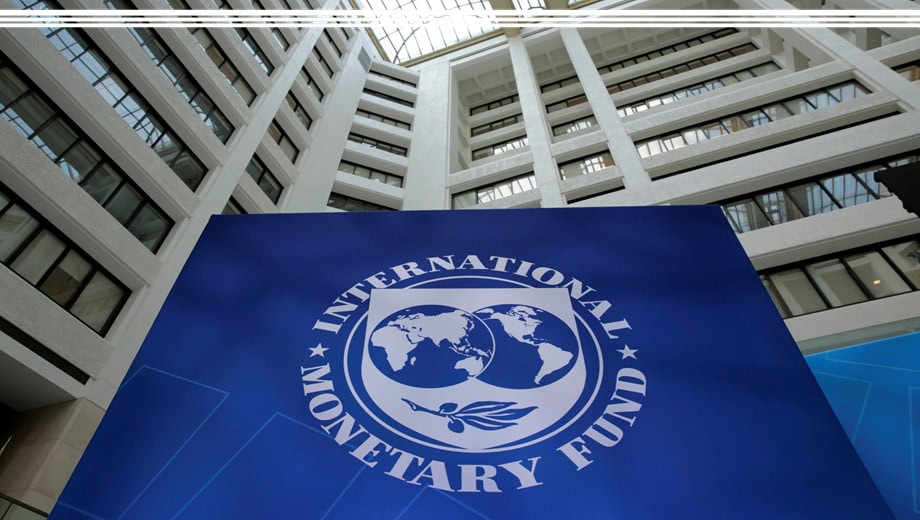
A government-appointed panel has warned that without urgent economic reforms, Pakistan risks falling back into another International Monetary Fund (IMF) program after the current $8.4 billion deal ends in 2027.
The panel, led by Planning Minister Ahsan Iqbal, has called for immediate steps to improve the ease of doing business and overhaul energy and trade tariffs to more than double exports to over $60 billion within three years.
Formed by the prime minister, the committee held consultations with public and private sector stakeholders from January 5 to 9 and concluded that Pakistan’s current economic framework cannot support long-term growth for its population of around 250 million.
The panel identified high and unpredictable electricity and gas prices as a major obstacle to export competitiveness, saying energy tariffs remain above regional levels and change too frequently. This volatility, it warned, raises production costs and pushes export orders to competing countries.
It also highlighted structural problems such as fragmented taxation, inverted tariffs, advance income tax deductions and delayed sales tax refunds, which increase the cost of doing business, particularly for small and medium enterprises.
Policy uncertainty was flagged as another major concern. Frequent changes in tax rules, tariffs, incentives and regulations, often announced late, were said to undermine investor confidence and disrupt export planning cycles.
The panel further pointed to weak coordination among institutions, inconsistent definitions of SMEs, excessive audits and regulatory overlap, all of which raise compliance costs for businesses.
Other challenges include limited access to affordable finance, weak quality testing and certification facilities, logistics bottlenecks at ports, high inland freight costs and skills gaps that prevent exporters from moving into higher-value products.
Pakistan currently exports around $30- 35 billion annually, while government estimates suggest the country has the potential to exceed $60 billion if these barriers are removed.
Planning Minister Ahsan Iqbal said Pakistan’s economic sovereignty now depends on how quickly exports can grow. He added that “the only way to break free from foreign crutches and avoid the next IMF program is to rapidly increase our exports and build strong foreign exchange reserves”.
The panel’s recommendations will be submitted to the prime minister, though their implementation will remain subject to IMF conditions.