In a fresh crackdown on illegal indoor sheesha, the Islamabad district administration sealed three cafes operating in Bahria Town’s Civic Center, Sohan.
The operation was led by Assistant Commissioner Nilore Fahad Shabbir Cheema, who inspected multiple cafes along with his team to ensure compliance with government regulations. During the inspection, officials found three establishments offering indoor sheesha, which is banned under existing laws, and sealed them immediately.
Authorities said the action was taken to enforce government directives and prevent violations of the notified rules. The district administration reiterated that indoor sheesha in enclosed spaces is strictly prohibited and warned café owners to comply with the law.
Officials cautioned that repeat violations could result in stricter action, including permanent closure of businesses. Residents of the area welcomed the move and urged authorities to maintain regular monitoring to prevent sealed cafes from reopening illegally. The administration confirmed that similar operations will continue across Islamabad in the coming days.
Why Does Sheesha Culture Persist?
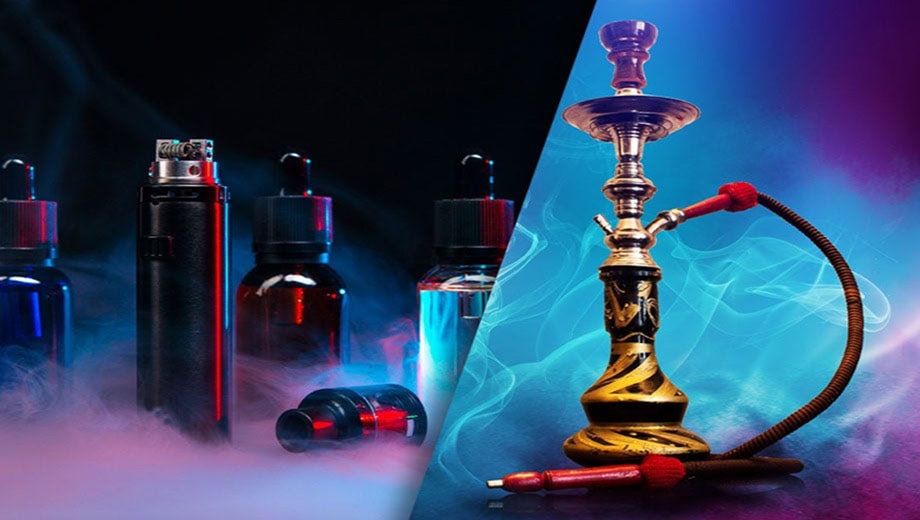
The enforcement action has again brought attention to the growing sheesha and vape culture, particularly among young people in urban areas. Despite repeated bans and health warnings, indoor sheesha lounges continue to operate discreetly, raising questions about enforcement gaps and public awareness.
Medical research shows that sheesha is not a safer alternative to cigarettes. A single sheesha session can expose users to similar or even higher levels of toxic substances, including carbon monoxide and harmful chemicals, compared to smoking cigarettes. Health experts also warn that shared mouthpieces increase the risk of infectious diseases.
The Rise of Vape Culture Among Youth
Alongside sheesha, vaping has rapidly gained popularity, especially among younger users. Marketed globally as a “less harmful” option, vaping devices became trendy due to flavored products, social media exposure, and easy access. However, health authorities worldwide caution that vaping still contains nicotine and addictive substances, and its long-term health effects remain under study.
Public health experts note that both sheesha and vaping are often perceived as lifestyle choices rather than health risks, a perception that enforcement alone may not change without strong awareness campaigns.
What Comes Next?
While the administration’s crackdown addresses illegal operations, the larger question remains: Is enforcement enough to curb demand, or is a stronger public health response needed to tackle the growing normalization of sheesha and vaping culture among youth? For now, authorities say the message is clear, indoor sheesha remains illegal, and violations will not be tolerated.