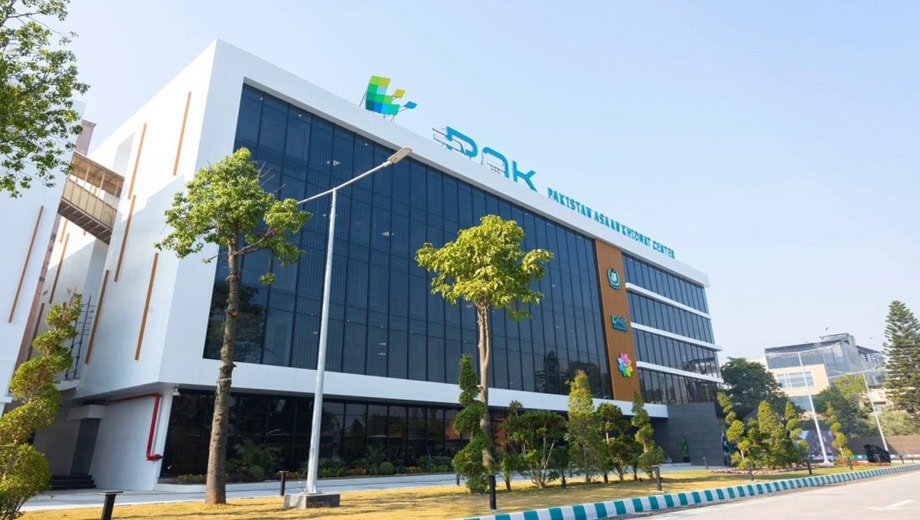
Pakistan has inaugurated its first Asan Khidmat Centre in G9, Islamabad, marking a major step toward improving citizen-focused and technology-driven public service delivery. Designed as a one-window facility, the center brings multiple government services together under one roof, aiming to provide citizens with a faster, more transparent, and more accessible experience.
The Asan Khidmat Centre is offering 64 public services delivered by 12 government institutions, with plans to expand service coverage in future phases. Officials said the integrated model is intended to reduce delays, improve coordination, and minimize the need for citizens to visit multiple offices.
The center follows a digital and paperless service delivery system, supported by modern infrastructure and international-standard citizen facilitation practices.
Focus on Efficiency and Transparency
Key features of the center include:
- Integrated delivery of dozens of public services at a single location
- Digital processing to reduce paperwork and waiting times
- Standardized service procedures to ensure consistency
- Improved transparency and ease of access for citizens
Officials involved in the project said the facility is designed to make public services more organized, calm, and user-friendly, with a focus on respectful and efficient interaction between citizens and service providers.
The Asan Khidmat Centre has been developed in line with the ASAN Khidmat model, an internationally recognized public service framework originating from Azerbaijan. The center incorporates ASAN service standards, volunteer support, and innovative solutions aimed at improving the overall citizen experience.
A dedicated section highlighting cooperation and shared best practices between Pakistan and Azerbaijan has also been set up at the facility.
Expanding Modern Public Service Delivery
Officials said the center reflects Pakistan’s broader effort to modernize governance through technology and integrated service delivery. Future plans include expanding the number of services, increasing digital solutions, and replicating the model in other cities.
By centralizing services and simplifying procedures, the Asan Khidmat Centre is expected to improve access, save time for citizens, and set a new benchmark for public service delivery in the country.