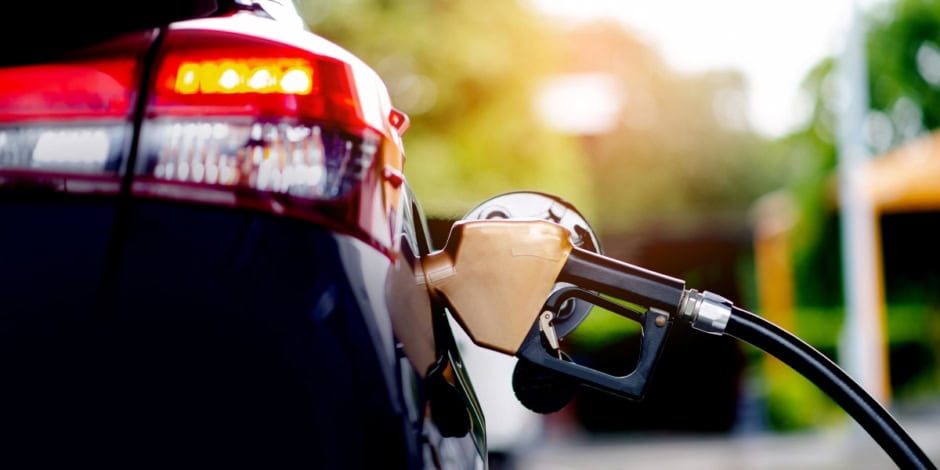
The federal government has decided to keep petrol prices unchanged for the next fortnight. However, consumers will see no relief despite a significant drop in international oil prices. To maintain the current rates, the government has sharply increased the Petroleum Levy (PL).
According to a notification by the Petroleum Division, the price of petrol remains Rs. 253.17 per litre. High-Speed Diesel (HSD) also holds steady at Rs. 257.08 per litre. These rates apply starting today, January 16, 2026.
The Numbers Game: Petrol Relief Absorbed by Taxes
Official documents acquired by TechJuice reveal that the government adjusted the tax bracket to absorb the benefit of falling global prices.
The Ex-Refinery price for petrol actually dropped by Rs. 4.57 per litre, falling from Rs. 145.57 to Rs. 141.00. Instead of passing these savings to the public, the government hiked the Petroleum Levy on petrol by Rs. 4.65. This pushes the PL from Rs. 79.62 to a massive Rs. 84.27 per litre.
A similar trend applies to High-Speed Diesel. While the Ex-Refinery price dipped by Rs. 0.69, the levy on diesel was raised by Rs. 0.80, bringing it to Rs. 76.21 per litre.
Hidden Costs & Inflationary Impact
The tax burden does not end there. The government continues to charge a Climate Support Levy (CSL) of Rs. 2.50 per litre on both Petrol and Diesel. When combined with the Petroleum Levy, the total tax on a single litre of petrol is now approximately Rs. 87.
This decision directly impacts the budgets of the middle and lower-middle classes, who rely on petrol for private vehicles, rickshaws, and motorcycles. Meanwhile, High-Speed Diesel fuels the heavy transport and agricultural sectors. Keeping diesel prices high inevitably contributes to inflation, driving up the cost of vegetables, food items, and logistics across Pakistan.
The prices will remain in effect until the end of January 2026.