Pakistan is set to overhaul its fuel retail system as the Petroleum Division rolls out a nationwide digital track-and-trace mechanism aimed at stopping fuel smuggling, ensuring accurate fuel delivery, and improving transparency at petrol pumps. The move marks a major shift toward technology-driven regulation across the entire oil supply chain.
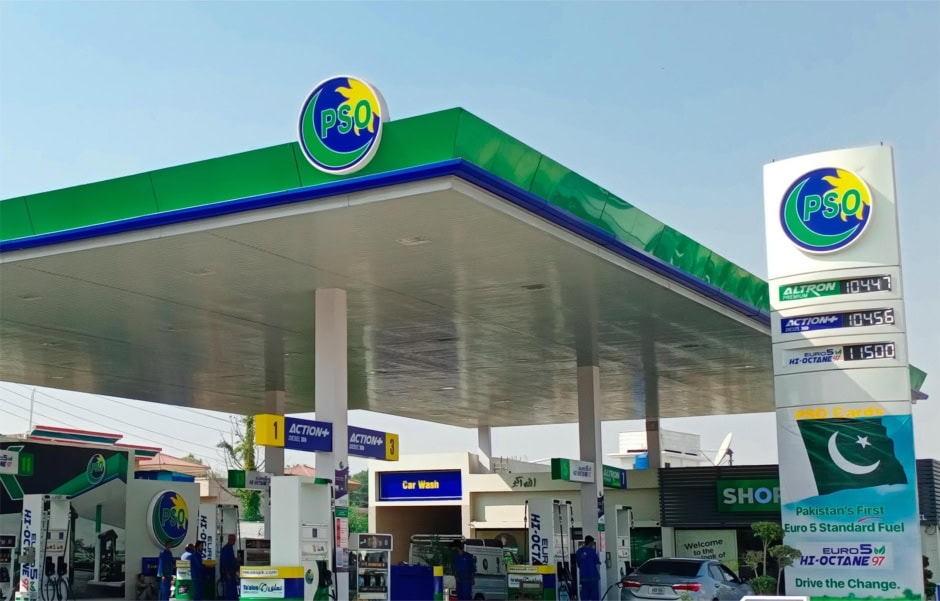
Under the new system, petrol pumps across the country will be equipped with automated tank gauges and digital nozzles to closely monitor fuel quantity and quality. These tools will help authorities detect discrepancies in real time and protect consumers from short-measurement and adulteration.
The Petroleum Division stated that the initiative is designed to “bring end-to-end visibility of fuel movement, from terminals to retail outlets, and eliminate illegal practices that cause losses to the national exchequer.”
As part of the reform, the government has launched the Rahguzar mobile application, allowing citizens to verify whether a petrol pump is legally registered. This step empowers consumers to choose authorized fuel stations and discourages business at unlicensed outlets, which have long been linked to smuggling and substandard fuel.
Fuel smuggling and illegal sales have remained a persistent challenge in Pakistan, leading to revenue losses and safety risks. To address this, the Oil and Gas Regulatory Authority, in collaboration with the Punjab Information Technology Board, has developed an integrated digital network linking oil tankers, storage terminals, and retail pumps.
In parallel, the Directorate General of Petroleum Concessions is launching an online portal to digitize bidding for oil and gas exploration blocks, improving transparency and investor confidence. The government has also activated an explosives track and trace system, with two phases already completed, reflecting a wider push for digital oversight in sensitive sectors.
To reinforce these measures, amendments to the Petroleum Act of 1934 have been introduced. The updated law allows for heavy fines and confiscation of assets involved in the illegal sale or transportation of petroleum products, signaling tougher enforcement ahead.