Pakistan has taken an initial step toward developing its first underground gas storage facility as authorities look for long-term solutions to recurring LNG oversupply, pipeline pressure issues, and safety concerns in the gas transmission system.
The state-owned Inter State Gas Systems (ISGS) has invited proposals from qualified consulting firms for a need assessment and pre-feasibility study of the Underground Gas Storage (UGS) project. The invitation was issued through the Public Procurement Regulatory Authority’s EPAD portal, marking the first formal move toward dedicated gas storage infrastructure in the country.
Energy officials indicate that the first phase of the project is expected to provide storage capacity equivalent to around 11 to 12 days of national gas consumption. At present, Pakistan does not have any standalone gas storage facilities and relies almost entirely on “linepack” the gas volume and pressure maintained within transmission pipelines to manage supply fluctuations.
This reliance has increasingly come under scrutiny. During periods of low demand, surplus gas continues to build up in the system, pushing pipeline pressures to levels that regulators have flagged as unsafe. Officials warn that linepack pressures crossing critical thresholds pose operational and safety risks, particularly during prolonged demand slumps.
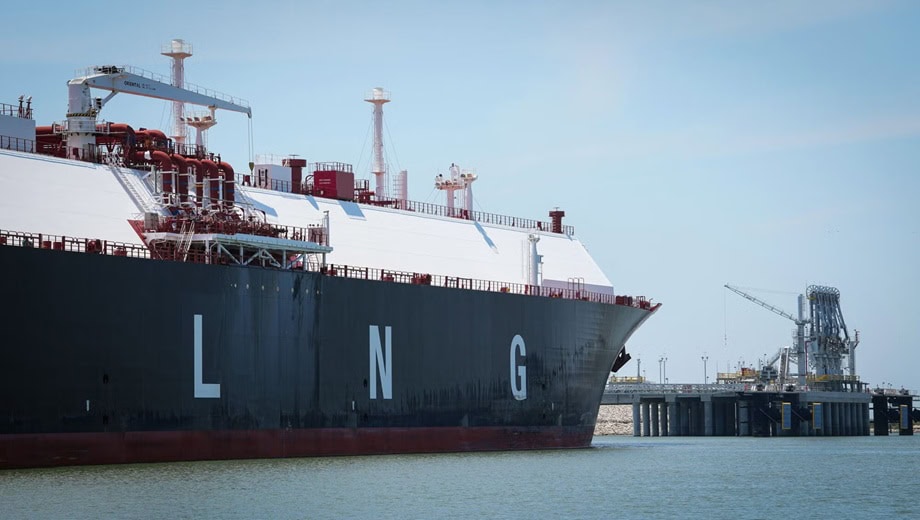
The issue has become more pronounced in recent years as LNG imports have outpaced domestic consumption. With limited flexibility to store excess gas, Pakistan has repeatedly faced the challenge of handling surplus LNG cargoes. In late 2025 and early 2026, the government approved plans allowing the diversion of up to 35 LNG cargoes during 2026, including shipments from major suppliers such as QatarEnergy and Eni- the Oil industry company, to ease pressure on the system.
Before turning to underground storage, Pakistan explored several temporary measures, including offshore LNG storage options, reselling surplus cargoes, and deferring deliveries under existing contracts. While these steps offered short-term relief, they did not address the structural gap in gas storage capacity.
In mature gas markets, underground storage plays a key role in balancing supply and demand across seasons and during emergencies. Analysts say that without such facilities, systems remain exposed to volatility, making them harder and costlier to manage.