Spain’s government has announced plans to ban children under 16 from using social media platforms, part of an escalating global effort to protect youth from online risks including harmful content, screen addiction, and privacy threats, multiple sources confirm.
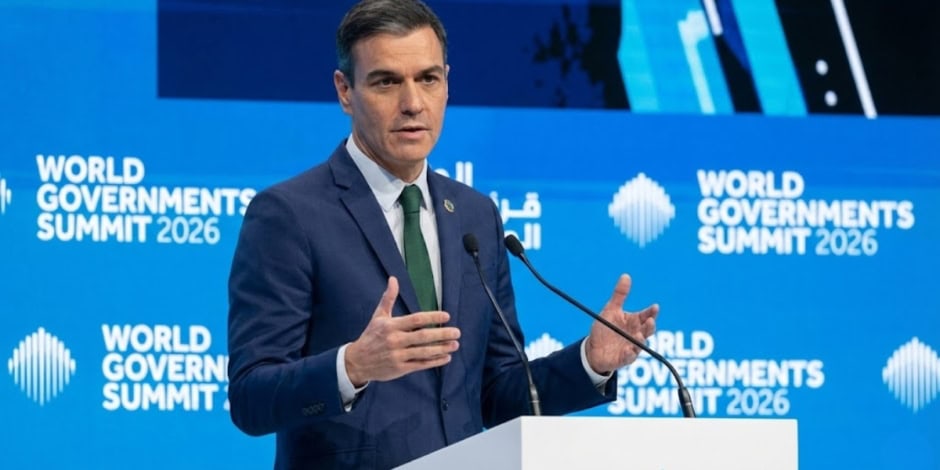
Spanish Prime Minister Pedro Sánchez unveiled this move at the World Governments Summit in Dubai, highlighting how social media companies need to implement robust age-verification systems to block access by under-16s.
“Today our children are exposed to a space they were never meant to navigate alone… We will protect [minors] from the digital Wild West… Platforms will be required to implement effective age verification systems — not just check boxes, but real barriers that work,” Sánchez said, highlighting concerns about unsafe online environments, hate speech, explicit content, and algorithms that may harm mental wellbeing.
Spain’s proposal places it among a growing list of countries considering or enacting stringent teen social media restrictions. Australia already implemented a ban on under-16s in December 2025, forcing platforms such as TikTok, Snapchat and Meta’s apps to block accounts belonging to suspected minors, though enforcement challenges remain.
France has moved to ban under-15s, and other European nations including Denmark and Greece are pursuing similar measures. The U.K. is also actively exploring regulatory options to curb youth social media use amid concerns about screen time, online harms and child mental health.
Under the Spanish proposal:
- Social platforms must use effective age-verification technology, not just self-reported dates of birth, to keep under-16s out.
- New laws would hold executives personally accountable for illegal or harmful content left on their platforms.
- Proposed legislation would criminalize algorithm manipulation that amplifies illegal material.
Sánchez also invoked accountability for technology firms and suggested prosecutors could investigate platforms including X, TikTok, and Instagram over unsafe or unlawful content.
“We will investigate platforms whose algorithms amplify disinformation in exchange for profit,” Sánchez said, adding that “spreading hate must come at a cost — a legal cost, as well as an economic and ethical cost — that platforms can no longer afford to ignore.”
Spain is joining a growing number of European countries that are tightening their grip on kids’ online activities. Last fall, Denmark revealed plans to ban anyone under 15 from accessing certain platforms, and now the French government is aiming to implement a similar ban by September. Meanwhile, in Portugal, the ruling center-right Social Democratic Party has just put forward a draft law that would require anyone under 16 to get parental permission before they can dive into social media.
Tech companies have not yet officially responded to Spain’s proposal, though similar regulations in Australia have forced platforms to develop age-verification tools and safety features. Efforts like Meta’s expanded teen protections and Snapchat’s enhanced family safety controls reflect industry attempts to align with evolving legal pressures.