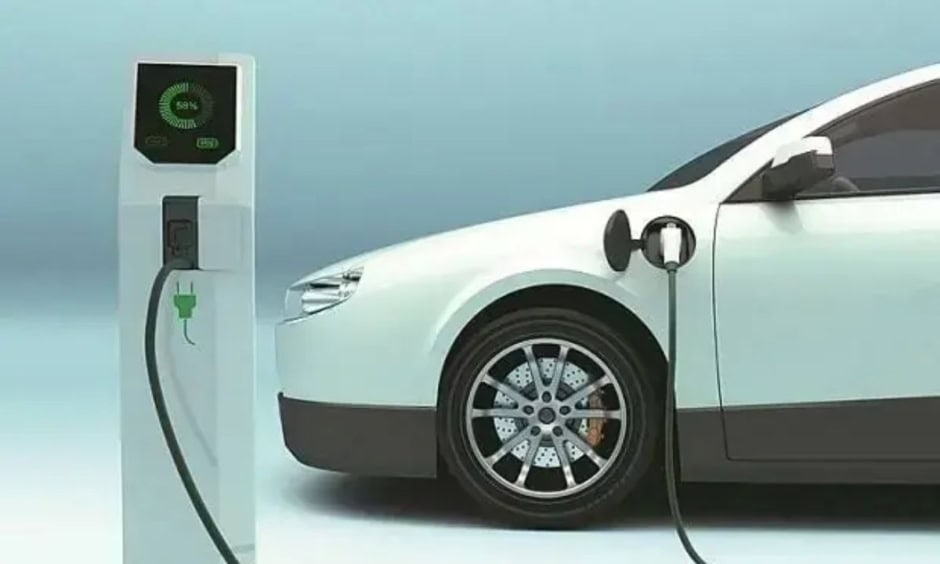
Pakistan is preparing to launch its first fully locally developed electric car by June 2026, with officials saying the vehicle could enter the market at a price below Rs1 million.
The announcement was made by Engineering Development Board chief Hamad Ali Mansoor during an event in Karachi, where officials discussed new plans to expand the automotive manufacturing sector.
He said the launch would mark the first time a completely homegrown electric vehicle rolls out of domestic production lines, representing an important milestone for the industry.
He added that the manufacturing facility producing the vehicle has already been established in Lahore, with preparations underway to introduce the affordable electric car to Pakistani consumers.
Officials say the vehicle could provide a driving range of nearly 180 kilometres on a single charge, making it suitable for routine city travel and daily commuting.
Government plans tax relief for vehicles
The government is also considering significant reductions in vehicle taxes in the upcoming federal budget for the financial year 2026–27 to make different categories of vehicles more affordable.
Officials believe the proposed tax cuts could lower the prices of petrol, hybrid, and electric vehicles, helping consumers cope with rising transport costs across the country.
Mansoor said the government aims to support greater competition in the market as the long-standing dominance of a few major automobile companies gradually weakens.
He added that two or three additional manufacturers have already expressed interest in establishing electric vehicle production facilities, which could further increase competition in the industry.
According to officials, greater localisation of manufacturing could eventually reduce vehicle prices by as much as Rs2.5 million in certain segments.
Battery production and local manufacturing
Pakistan is also preparing to launch its first lithium battery manufacturing facility, which officials say is expected to begin production during May this year.
Another battery plant is scheduled to start operations later in September, which authorities believe will strengthen local supply chains and reduce reliance on imported electric vehicle components.
Mansoor said nearly 74 percent of battery components will eventually be produced domestically, helping manufacturers lower production costs and making electric vehicles cheaper for consumers