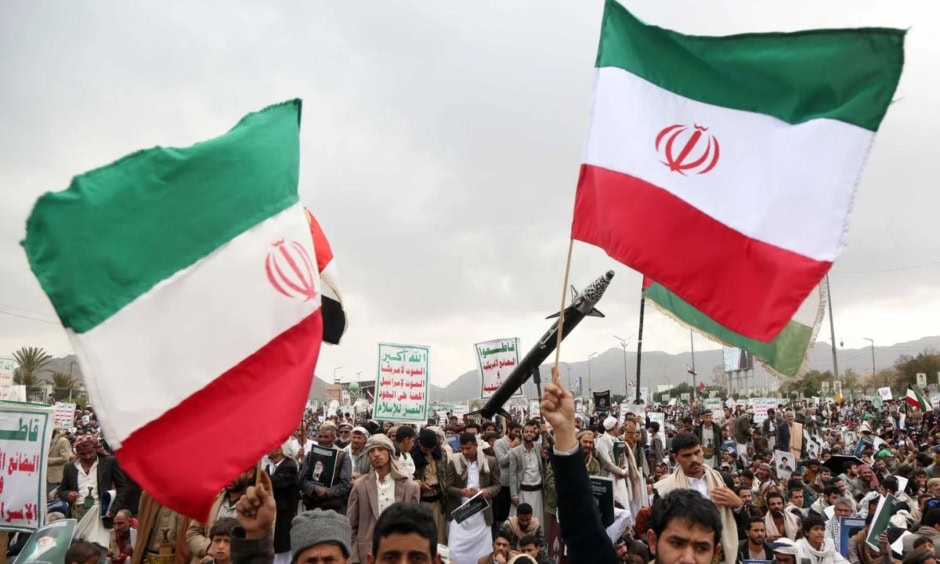
The Iran–Israel war erupted on 28 February 2026 after joint U.S. and Israeli military strikes on Iranian territory, igniting a wider regional conflict and prompting intense retaliation by Iranian forces.
The conflict quickly expanded across the Gulf, drawing in Gulf Arab nations and highlighting the strategic importance of the Strait of Hormuz, which handles approximately 20 percent of global oil shipments.
The effective closure of the Strait of Hormuz disrupted roughly 20 percent of global crude and liquefied natural gas shipments, triggering energy price shocks not seen in decades.
With energy at the heart of global economic stability, rising oil and gas costs began to ripple through world markets, driving inflation and threatening economic growth prospects.
Simultaneously, the conflict has upended global aviation and travel networks, as airspace closures and heightened security risks have grounded flights and stranded passengers worldwide.
At the same time, disruptions in air and sea cargo routes are hindering the movement of critical medicines, raising concerns about pharmaceutical supply chains in import‑dependent nations.
The following are the three sectors most significantly affected by the war.
Impact on Energy and Oil Markets
The strategic importance of the Strait of Hormuz became starkly clear when Iranian retaliation effectively halted tanker movements, cutting off roughly 20 percent of global oil supply flows.
Brent crude prices jumped above $100 per barrel as global markets reacted to fears over prolonged disruptions to Middle Eastern crude and natural gas exports.
In response to the surge, the International Energy Agency announced the release of over 400 million barrels from emergency reserves in a historic intervention aimed at stabilizing markets.
Despite these coordinated releases, spare production capacity remains limited outside the Gulf, and Asian nations heavily reliant on imported energy are already rationing fuel and scaling back refinery operations.
Analysts warn that a prolonged closure of the strait could push oil prices toward $200 per barrel if diplomatic or military solutions remain elusive.
The potential for sustained energy volatility has sparked fears of inflationary pressures, higher production costs for manufacturers, and a broader slowdown in global economic growth.
Aviation and Travel Industry
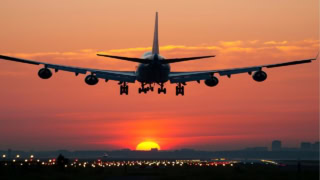
The war has caused severe disruption to commercial air travel, as major Middle Eastern hubs such as Dubai, Abu Dhabi, and Doha experienced prolonged closures due to security risks and drone threats.
Tens of thousands of flights worldwide were canceled, rerouted, or rescheduled as carriers avoided conflict‑affected airspace, marking the worst disruption since the COVID‑19 pandemic.
Major international airlines, including Air India, IndiGo, Cathay Pacific, and Singapore Airlines, suspended services to Gulf and regional destinations amid strict airspace restrictions.
The grounding of flights and rerouting around conflict zones left passengers stranded, forced carriers to burn additional fuel, and increased operational costs as well as flight cancellations globally.
The travel industry suffered significant financial losses, with airline and travel-related stocks shedding billions of dollars in market value as investor confidence tumbled sharply.
Some carriers, including Air New Zealand, announced cuts to hundreds of flights through May, as rising fuel prices and continued instability weighed heavily on travel demand.
Medical and Pharmaceutical Supply Chains
The impact of war on global logistics has extended to pharmaceutical supply routes, with key Gulf cargo hubs severely disrupted by airport closures and airspace restrictions.
Temperature‑sensitive medicines, such as cancer drugs and vaccines, depend on cold‑chain air transport, and delays caused by rerouted or halted flights threaten the timely delivery of these critical treatments.
Logistics firms and pharmaceutical executives warn that if disruptions persist for four to six more weeks, shortages of vital medications could emerge in vulnerable markets with high import dependence.
Alternative routing through cities like Jeddah, Riyadh, Istanbul, and Oman has been attempted, but these longer corridors add time, cost, and complexity to supply chain operations.
Higher freight costs and extended transit times are likely to increase prices for pharmaceuticals, meaning consumers may face both shortages and rising costs for essential medicines.
Health systems in import‑dependent countries, particularly in Africa and parts of Asia, are highly vulnerable as they rely heavily on medicines and medical supplies shipped through conflict‑affected corridors.