The government of Pakistan has secured estimated savings of over Rs. 80 billion after revising agreements with solar and wind power producers as part of ongoing energy sector reforms.
According to officials from the Power Division, the savings were achieved after renegotiating tariff structures with multiple renewable energy projects. The revised agreements were presented to the Economic Coordination Committee(ECC), highlighting a significant reduction in electricity generation costs.
Previously, wind power tariffs under older policies reached as high as Rs. 42 per unit, compared to approximately Rs. 17 per unit under updated cost-plus arrangements. This gap prompted authorities to review and restructure existing contracts to bring them in line with current market conditions.
A task force on power sector reforms successfully renegotiated deals with 14 wind power plants and one solar project. The revised terms include reduced return on equity, lower operation and maintenance costs, changes in indexation mechanisms, and waivers on late payment interest.
Under the 2013 upfront tariff policy, three wind projects agreed to new terms expected to generate savings of around Rs. 38.9 billion over their operational life. Meanwhile, 11 plants operating under post-2018 cost-plus tariffs also accepted adjustments, including exchange rate rationalisation and interest waivers.
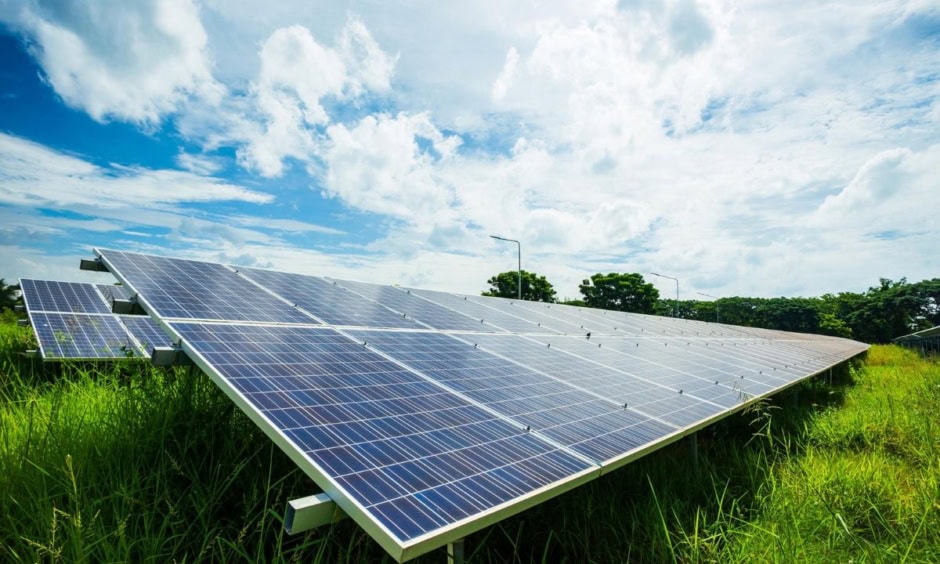
Additionally, amendments to a government-owned solar power project are projected to save approximately Rs. 45.7 billion, mainly through improved payment structures and the waiver of late payment charges.
Officials say these measures will help reduce financial pressure on the power sector and ultimately contribute to more affordable electricity for consumers.