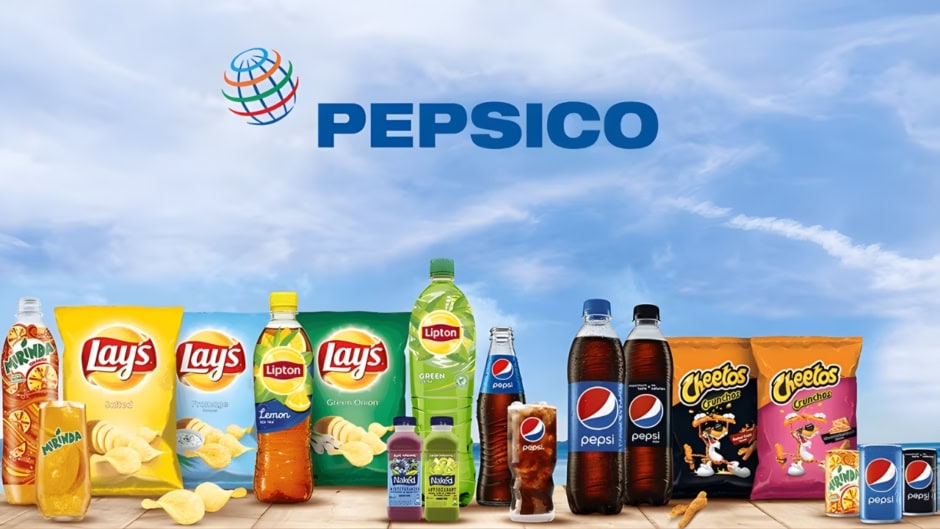
According to an exclusive story by Profit, the challenges facing PepsiCo in Pakistan have evolved. What started as an unstructured consumer boycott over the Gaza conflict has transformed into a long-term crisis driven by inflation, heavy taxation, and regulatory unpredictability.

The situation has become so severe that the company is utilizing its ultimate bargaining chip, i.e., diplomatic intervention. On February 12, 2026, U.S. Chargé d’Affaires Natalie Baker wrote directly to Pakistan’s Finance Minister, Muhammad Aurangzeb, seeking urgent relief for the beverage giant.
The U.S. Embassy Steps In to Save PepsiCo
Multinational companies typically rely on internal regulatory affairs departments to handle government roadblocks. However, the U.S. Embassy serves as the final line of defense.
In her letter, Baker highlighted PepsiCo’s massive economic footprint. Over the past five years, the company paid $1.5 billion (Rs. 419 billion) in taxes. Furthermore, it invested over $1.2 billion (Rs. 335 billion) in local manufacturing and sustainability.
Currently, a major dispute with Pakistan Customs threatens those operations. Since early 2025, Customs authorities have objected to how PepsiCo’s imported snack flavoring powders are classified. For over 15 years, these powders fell under an HS Code carrying standard duties. Now, authorities want to reclassify them under a code that demands a staggering 65% duty. Consequently, this shift has delayed shipments and created a $6.87 million (Rs. 1.92 billion) financial exposure across 141 consignments.
The Lingering Shadow of the Boycott
While taxes dominate the embassy letter, consumer sentiment initially triggered the market’s decline. The Boycott, Divestment, and Sanctions (BDS) movement lacks a formal presence in Pakistan. Regardless, organic boycotts hit Western brands hard. Coca-Cola sits on the official BDS priority list, but PepsiCo suffered indiscriminately alongside it.
The impact was immediate. In 2022, Pakistan’s carbonated beverage sales hit 1.66 billion liters. By 2023, volumes crashed to 1.33 billion liters.
Today, fast food chains have largely recovered through aggressive marketing and discounted deals. However, the beverage sector remains stagnant. By 2025, sales volumes barely recovered to 1.36 billion liters. Boycott strongholds, particularly middle-class areas in Karachi, continue to see sales perform 25% below average. Local players like Gourmet Food and Meezan Beverages carved out a 10% market share, though Coca-Cola and PepsiCo still dominate with a combined 76.8% share.
Taxes Stifle Market Recovery
Ultimately, price sensitivity is preventing a full recovery. Corporate tax rates in Pakistan are exceptionally high. Large companies face a 29% regular tax on profits, plus a 10% super tax.
Additionally, the government drastically increased the Federal Excise Duty (FED) on carbonated drinks from 13% to 20% in 2023. This hike, combined with record inflation, forced prices up and drove consumers away. The U.S. Embassy explicitly urged the government to halt any further FED increases in the 2025-26 fiscal year. They also warned against expanding the tax to functional hydration drinks like Gatorade and Revive, noting that the sector has not recovered from cumulative economic shocks and the devastating 2025 floods.