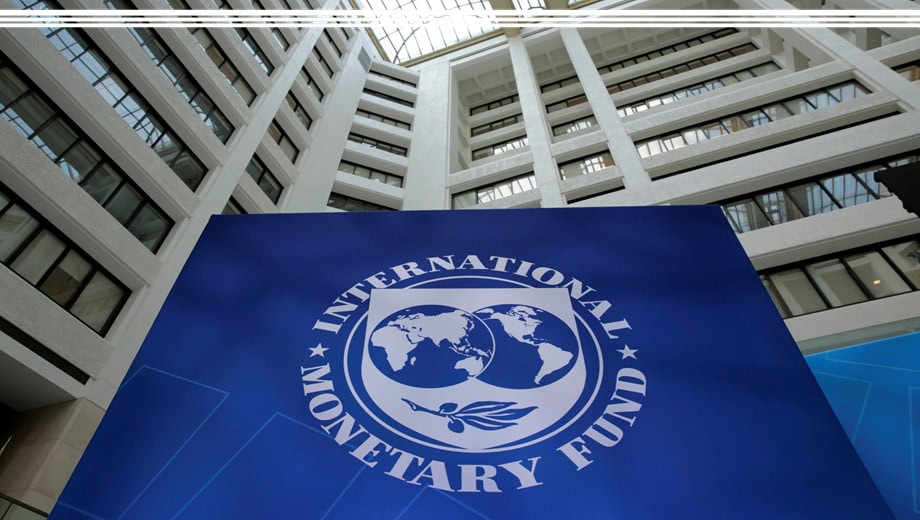
The International Monetary Fund (IMF) has concluded its latest visit to Pakistan after holding discussions with government authorities on economic developments, fiscal planning for the upcoming financial year, and progress under ongoing IMF-supported reform programs.
During talks held in Islamabad and concluded on May 20, Pakistan reaffirmed its commitment to achieving a primary budget surplus target of 2 percent of gross domestic product (GDP) for fiscal year 2026-27.
According to the IMF, discussions focused on the impact of regional disruptions linked to tensions in the Middle East, budget preparations for FY2027, and implementation of structural reforms aimed at strengthening economic stability.
The government highlighted plans for fiscal consolidation through broadening the tax base, improving tax administration, enhancing spending efficiency, and strengthening public financial management across federal and provincial levels.
The IMF also noted that discussions on Pakistan’s FY2027 budget will continue in the coming days.
Meanwhile, the State Bank of Pakistan reiterated its commitment to maintaining a sufficiently tight monetary policy stance to keep inflation expectations under control while monitoring possible effects of rising energy prices.
The IMF emphasized the importance of exchange rate flexibility to help absorb external shocks and encouraged continued efforts to strengthen the foreign exchange interbank market.
Talks additionally covered reforms in the energy sector, state-owned enterprises, financial sector development, and market liberalization to support sustainable economic growth and attract private investment.
Progress under the Resilience and Sustainability Facility (RSF) was also reviewed, including climate-focused budget planning, disaster risk financing measures, and reforms related to power subsidies.
The IMF’s next mission to Pakistan is expected in the second half of 2026 and will likely include the Article IV consultation alongside reviews under the Extended Fund Facility (EFF) and RSF programs.