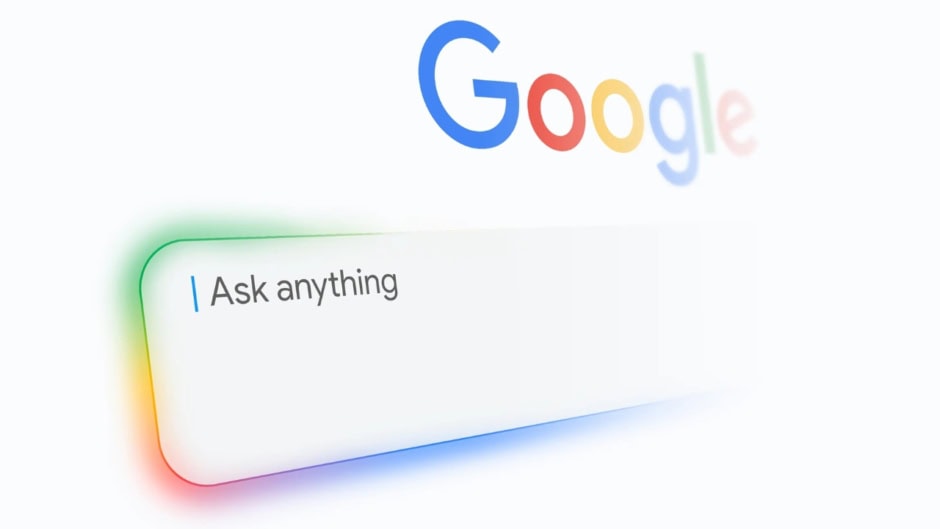
Google announced a massive update today. The company plans to completely reimagine its iconic search bar using artificial intelligence. Google calls this its most significant search engine change in 25 years. However, this new Google Gemini AI search bar update has sparked immediate backlash. Users are furious about potential misinformation and severe environmental impacts. Consequently, internet users will no longer search for things the traditional way.
Today we are starting to roll out the biggest upgrade to the Google Search box in over 25 years — now completely reimagined with AI, along with Gemini 3.5 Flash as the new default model for AI mode users globally! pic.twitter.com/sBh1jaCjLh
— Logan Kilpatrick (@OfficialLoganK) May 19, 2026
Google AI Search Update: Users Threaten Mass Exodus
Internet users quickly rejected the announcement. People flooded comment sections to express their frustration. Many users called the update a terrible idea that nobody requested. Several frustrated individuals demanded an option to opt out of the new feature. Furthermore, people took to X, asking Google to stop forcing AI into everything. They urged the company to “let the internet heal”. As a result, users are threatening a mass exodus. They claim they have alternative search engines ready if Google implements this change.
On the surface, using AI chatbots to retrieve information seems logical. Yet, experts warn against this move. The new AI-search feature relies on Google’s Gemini system. Unfortunately, these AI agents remain highly susceptible to manipulation. These bots frequently push popular but unverified information as absolute facts. Consequently, this creates a dangerous potential to spread misinformation. Google currently attempts to counter this by citing sources in its AI summaries. However, most people never verify these citations before accepting the information.
A Brewing Environmental Crisis
Additionally, this new technology creates severe environmental concerns. Critics heavily condemn artificial intelligence for its immense clean water usage. Estimates show that just 10 to 50 prompts on an AI agent consume roughly half a liter of water. Multiplied by three, that equals the daily water requirement for an average person. Millions of people use Google daily. Therefore, experts warn that this water consumption will trigger a massive environmental crisis.
Water scarcity and misinformation remain prevalent global issues. As a result, critics are openly questioning this technological shift. Society must now decide if AI truly represents the next frontier of technology, or if we took a wrong turn somewhere.