Pakistan turns 79 this week, and the anniversary arrives during a year when the country did some major tech shake-ups.
The country deployed 5G across 23 cities, crossed 1,200 YouTube channels with a million-plus subscribers, and watched its AI platform usage grow by 839% in a single year. But Pakistan’s relationship with technology did not start in 2026, and it did not start with social media or smartphones either. Pakistani scientists, engineers, and entrepreneurs have been shaping global technology for decades, often without receiving the recognition their contributions deserve.
Here are 14 of those contributions, spanning fundamental science, medical devices, consumer technology, and frontier AI.
1. The World’s First Computer Virus (1986)
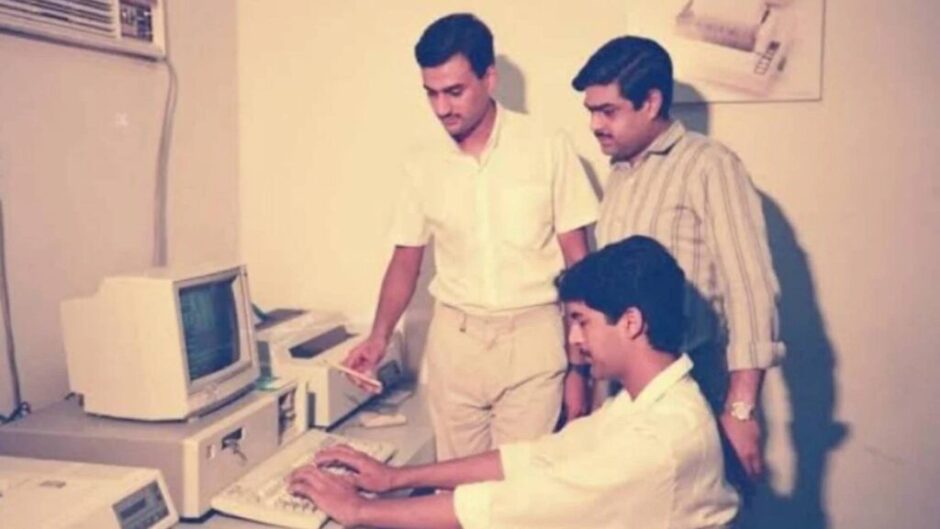
Every cybersecurity company on Earth owes its existence to two brothers from Lahore. Amjad and Basit Farooq Alvi created “(c)Brain” at their Brain Computer Services shop, originally designing it to track piracy of their medical software. The boot sector virus spread globally through infected floppy disks and became the first documented computer virus in history. The antivirus industry, endpoint protection platforms, and the entire field of cybersecurity trace their origin story back to that Lahore shop 40 years ago.
2. Electroweak Unification Theory (1979 Nobel Prize)

Dr. Abdus Salam independently formulated the electroweak theory that unified the electromagnetic and weak nuclear forces, earning Pakistan’s only Nobel Prize in Physics alongside Steven Weinberg and Sheldon Glashow. The theory underpins how particle accelerators function, how PET scans and medical imaging technologies work, and how semiconductor physics operates at the most fundamental level. Every chip inside every device you use today runs on physics that Salam helped explain.
3. The World’s First Neurochip
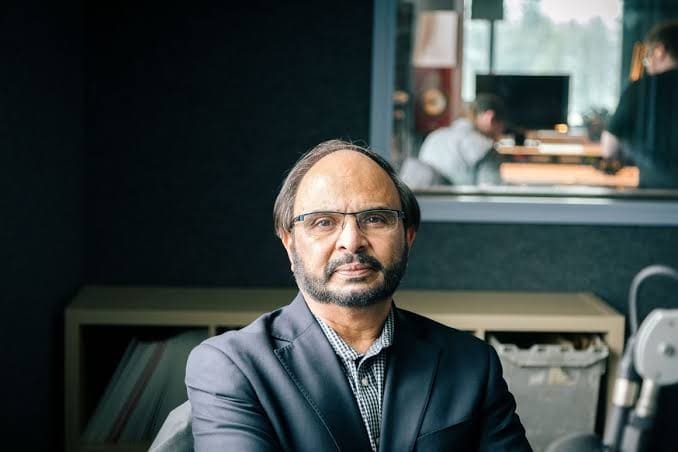
Dr. Naweed Syed, a Pakistani-Canadian neuroscientist, became the first person to connect living brain cells to a silicon chip, creating the world’s first neurochip. That single breakthrough laid the foundational science for brain-computer interfaces, bionic prosthetics, and the entire neurotechnology industry that companies like Neuralink and Synchron now pursue with billions in venture funding.
4. The Human Development Index (1990)
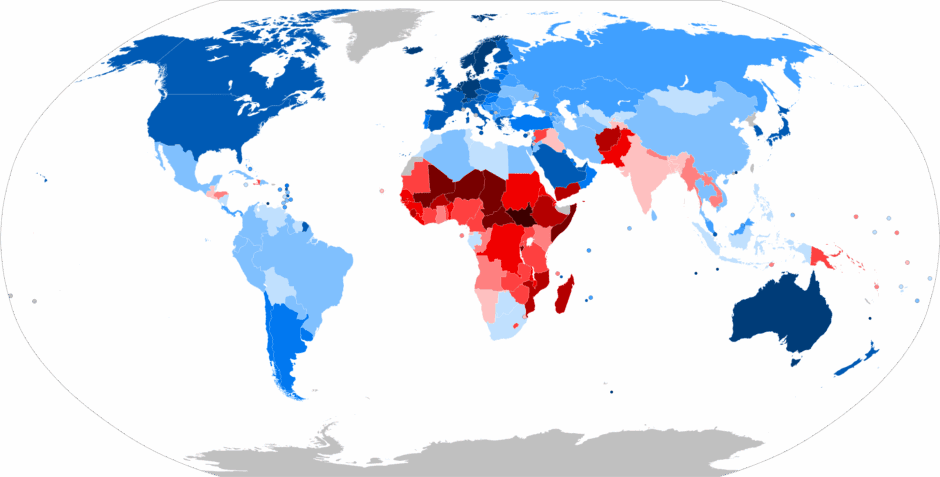
Economist Mahbub ul Haq created the Human Development Index at the United Nations Development Programme, fundamentally changing how nations measure progress. By replacing GDP as the sole metric with a composite of health, education, and income, Haq built the world’s most widely referenced development framework. The HDI now drives data-driven policymaking and international development platforms used by every major global institution.
5. The Ommaya Reservoir (1963)
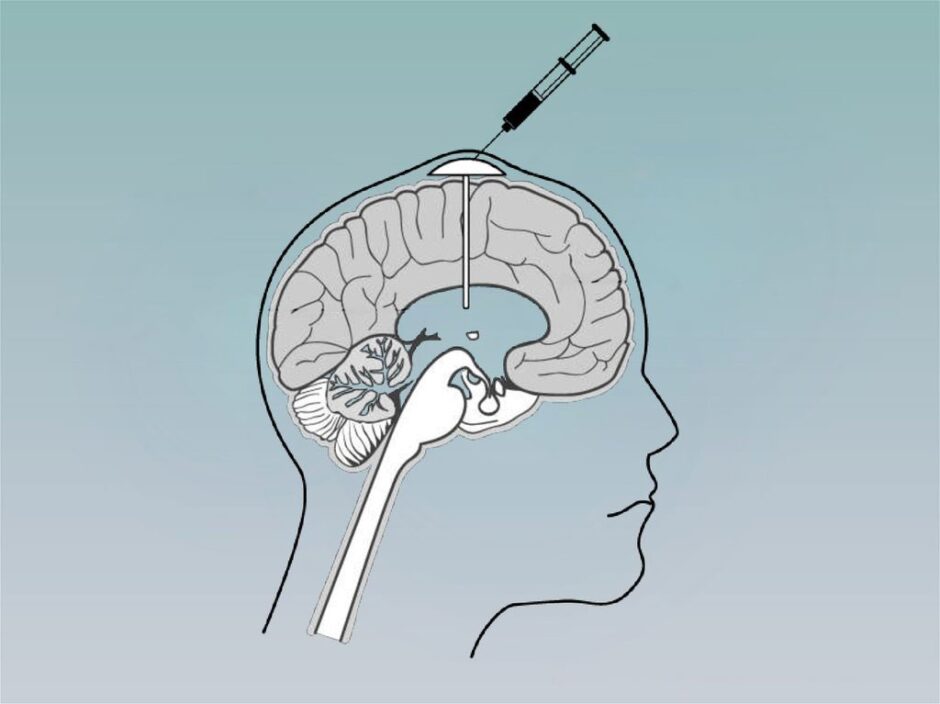
Neurosurgeon Dr. Ayub K. Ommaya invented a subcutaneous device that delivers drugs directly into cerebrospinal fluid for treating brain tumors and central nervous system infections. Six decades later, the Ommaya Reservoir remains in daily clinical use across hospitals worldwide and pioneered the entire concept of implantable drug delivery systems that modern medtech companies continue building upon.
6. Nuclear Deterrent Technology (1998)
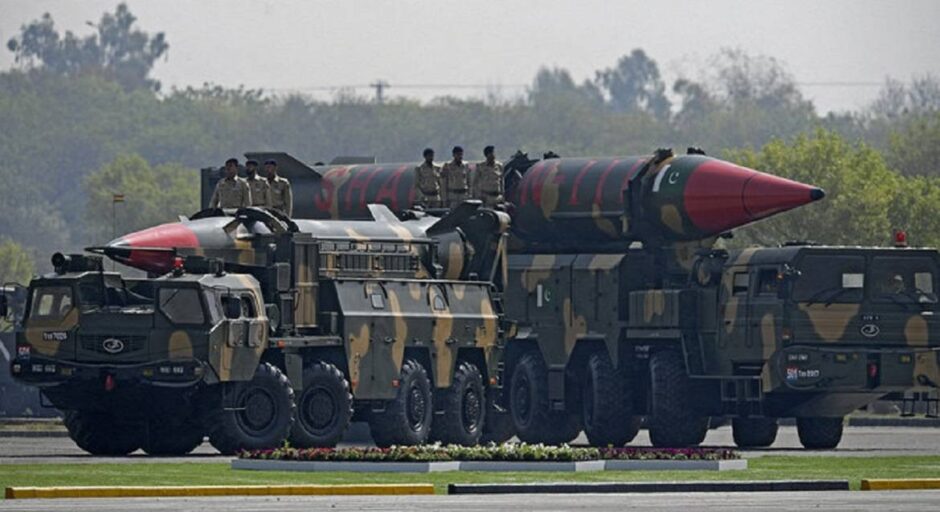
Pakistan became the seventh declared nuclear power and the only Muslim-majority nation to develop and test nuclear weapons on May 28, 1998. The program, led by Dr. Abdul Qadeer Khan and PAEC scientists, required mastering uranium enrichment centrifuge technology, advanced metallurgy, and precision engineering at scales that fewer than ten nations have achieved independently in the entire history of nuclear science.
7. The Room-Temperature Plastic Magnet (2004)
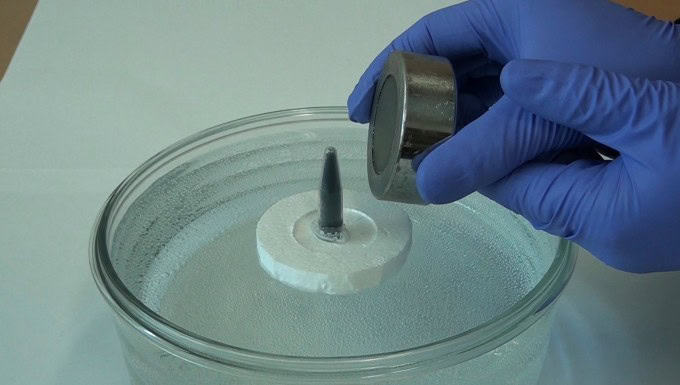
Dr. Naveed Zaidi led the development of the first practical plastic magnet capable of functioning at room temperature, a materials science breakthrough that opened new frontiers in flexible electronics, lightweight sensors, and next-generation computing components. The innovation proved that transformative materials research does not require billion-dollar laboratory infrastructure.
8. Explosive-Free Fertilizer (2013)

Pakistani firm Fatima Group developed the first IED-proof calcium ammonium nitrate fertilizer, preventing the weaponization of agricultural chemicals into improvised explosive devices that cost thousands of lives annually worldwide. This innovation sits at the intersection of agricultural technology and defense security, solving a problem that no other fertilizer manufacturer had addressed at commercial scale.
9. Waste-to-Charcoal Sanitation Technology (2011)

Professor M. Sohail Khan, a researcher at Loughborough University in the United Kingdom, designed a lavatory that converts human waste into biological charcoal, minerals, and clean water. The project was developed for the Gates Foundation’s Reinvent the Toilet Challenge and earned second place at the Seattle fair in 2012. The technology addresses sanitation challenges that affect billions of people globally.
10. Cancer Cell Early Detection via Nanotexture

Dr. Samir Iqbal developed a nanotextured detection method that mimics the layered structure of human body tissues, enabling significantly earlier identification of cancerous cells than conventional screening techniques allow. The approach offers a Pakistani contribution to diagnostic medtech that could meaningfully reduce cancer mortality rates globally if scaled into widespread clinical deployment.
11. Kashif ICP Monitor

Pakistani scientist Faisal Kashif developed a non-invasive technology for monitoring intracranial pressure, eliminating the need for invasive surgical procedures to measure brain pressure in critical care patients. The innovation made ICP monitoring safer, faster, and more accessible in emergency medical settings where time is the difference between recovery and permanent damage.
12. Vyro AI / ImagineArt (2025)
Pakistani startup Vyro AI developed ImagineArt, which independent evaluations recognized as one of the world’s most photorealistic generative AI image synthesis platforms. The tool surpassed competitors in anatomical accuracy, lighting fidelity, and texture rendering, reaching 3.5 million active users and 3.2 million downloads by October 2025. Vyro AI demonstrated that frontier AI products can emerge from Pakistan, not just from Silicon Valley or Beijing.
13. Flash Pack Rapid-Charge Power Bank
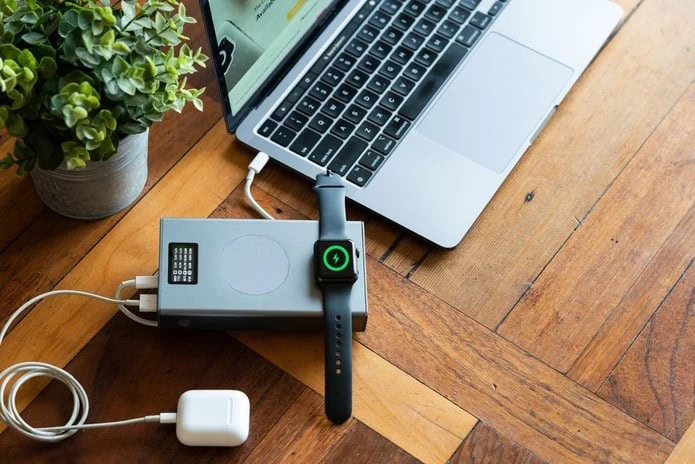
Abdullah Soomro, founder of Micropower Labs, invented a 5,000 mAh power bank that charges fully in just 15 minutes, dramatically outpacing competitors on charging speed at the time of release. The product addressed a practical consumer electronics challenge with a solution designed and built by a Pakistani engineer solving a problem he experienced personally.
14. Solar-Powered Mobile Base Stations (2015)
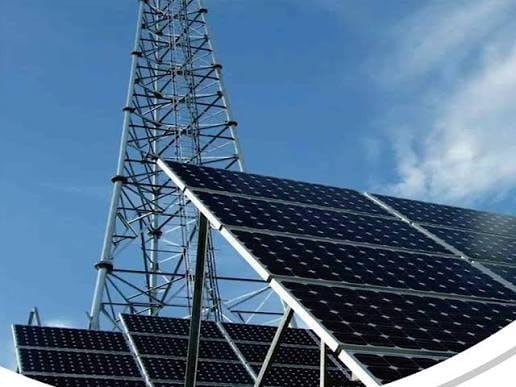
Researchers at Pakistan’s Information Technology University prototyped solar-powered mobile base stations designed for deployment in disaster-prone and off-grid regions where traditional telecom infrastructure is impractical. The technology directly addresses the connectivity blackouts that Pakistan experiences during floods and earthquakes, when communication matters most and conventional towers fail first.
What Comes Next
These 14 contributions share a pattern that extends well beyond the individual achievements themselves. Each one emerged despite infrastructure limitations, funding constraints, and institutional challenges that would have stopped less determined people in their tracks. Pakistan did not produce the world’s first computer virus because it had Silicon Valley’s resources. It produced it because two brothers in Lahore had a problem and built a solution with whatever they had available.
That same energy now flows through Pakistan’s AI startups, its 5G deployment teams, its 1,200-plus million-subscriber YouTube channels, and its fourth-ranked global freelancing workforce. The country’s tech legacy is not a museum exhibit. It is a foundation that the next generation of Pakistani builders, engineers, and entrepreneurs are actively constructing on top of.
Happy Independence Day, Pakistan.