Pakistan’s Directorate General of Immigration and Passports is accelerating a comprehensive overhaul of its passport services, with Director General Muhammad Ali Randhawa chairing a high-level meeting on August 13 that reviewed performance, ongoing projects, and a package of proposed reforms targeting overseas Pakistanis specifically. The meeting placed particular emphasis on expanding e-passport facilities abroad and reducing the procedural complications that have frustrated the diaspora community for years.
The expansion builds on a series of reforms that DGIP has rolled out throughout 2026 at a pace that represents the most aggressive modernization push the department has undertaken in two decades. Interior Minister Mohsin Naqvi approved a full transition from machine-readable passports to e-passports on June 19, declaring that the shift will “end fraud and forgery related to passports.” No cutoff date for phasing out old MRP passports has been set yet, though existing valid passports remain usable until further notice.
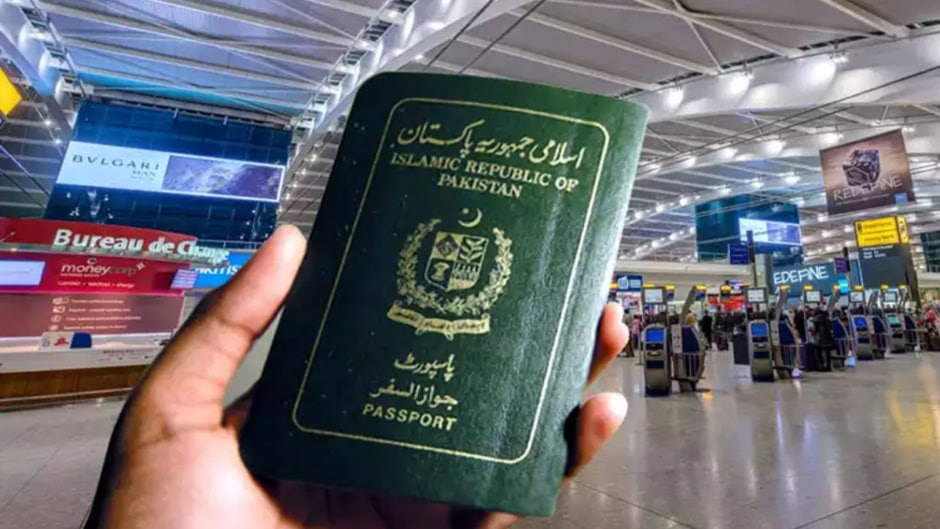
Pakistan’s e-passport embeds a contactless electronic chip storing biometric information including facial details, biographical data, a unique identification number, and a digital signature. The chip complies with International Civil Aviation Organization standards, allowing holders to use automated e-gates at airports worldwide and reducing immigration counter wait times significantly. Since August 2023, e-passport issuance has been available from all field offices across the country, expanding from its initial Islamabad-only rollout.
The home delivery system represents one of the most practically significant changes for applicants both domestically and overseas. DG Randhawa confirmed that initial work on the service has been completed, with TCS handling domestic deliveries and DHL serving Pakistani applicants at overseas missions. Applicants pay a nominal courier fee, and their passport ships directly to their doorstep from Islamabad. The service launches domestically first, with Phase 2 extending to overseas Pakistanis.
The department is also developing a dedicated mobile application that will let citizens apply for passports online from anywhere, including from abroad. Officials are currently evaluating whether to build a standalone app or expand NADRA’s existing Pak ID platform to accept passport applications. Once live, the app would eliminate the requirement for overseas Pakistanis to physically visit a consulate for initial submission, though biometric capture may still require an in-person visit.
All passport offices went cashless on July 1, 2026, ending manual cash handling through National Bank of Pakistan branches. Applicants now pay through QR codes on their tokens using mobile banking apps including JazzCash and Easypaisa. An AI-powered chatbot is also in development. The assistant will guide applicants through procedures, document requirements, and passport status tracking, while reducing pressure on the department’s call center.
Randhawa directed officials to prioritize legal and policy reforms alongside the digital transformation, assigning specific responsibilities for advancing each initiative. He ordered that all projects be completed within their stipulated timelines, signaling a push to move the entire reform package from planning into implementation before the end of 2026.