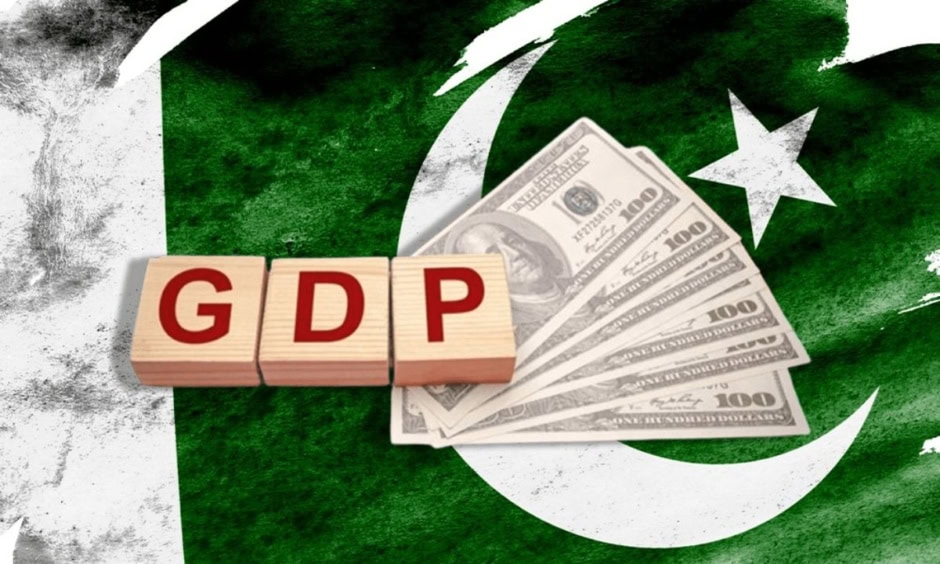
Pakistan’s consolidated fiscal surplus declined 40% year-on-year to Rs1.274 trillion, equivalent to 0.9% of GDP, during the first quarter of fiscal year 2026-27, despite significant revenue from the petroleum levy.
According to the Finance Division’s fiscal operations report, government expenditure increased 15% to Rs4.730 trillion during July-September FY27. This included Rs1.699 trillion in interest payments on public debt. Meanwhile, total government revenue reached Rs6.004 trillion, allowing the government to record a primary surplus of Rs2.974 trillion, or 2.1% of GDP.
Non-tax revenue contributed Rs2.617 trillion, accounting for around 44% of total collections. Tax revenue stood at Rs3.387 trillion, including Rs3.086 trillion collected by the Federal Board of Revenue (FBR) and Rs301 billion by provincial governments. Federal non-tax receipts included Rs1.933 trillion in State Bank of Pakistan profits and Rs381.8 billion from the petroleum levy.
Interest payments accounted for a major share of government spending, with Rs1.493 trillion allocated to domestic debt and Rs207 billion to foreign debt. Defence expenditure reached Rs495.4 billion, while pension payments stood at Rs264 billion. Development spending and net lending totalled Rs474.9 billion, including Rs467.7 billion under the Public Sector Development Programme.
Provincial governments collectively recorded a surplus of Rs599.8 billion. Punjab posted the largest surplus at Rs333.3 billion, followed by Sindh with Rs180.6 billion and Khyber Pakhtunkhwa with Rs102.1 billion. Balochistan, however, recorded a deficit of Rs16.2 billion.
The International Monetary Fund (IMF), under its $7 billion Extended Fund Facility programme, has projected Pakistan’s fiscal deficit at 3.5% of GDP, excluding grants, for the fiscal year.