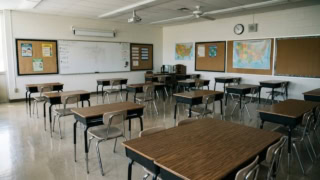
Artificial intelligence-powered surveillance cameras in Punjab identified 17,946 cases of children outside schools during academic hours in October 2026, according to monitoring figures from the Punjab Safe Cities Authority (PSCA), cited by sources in the school education department.
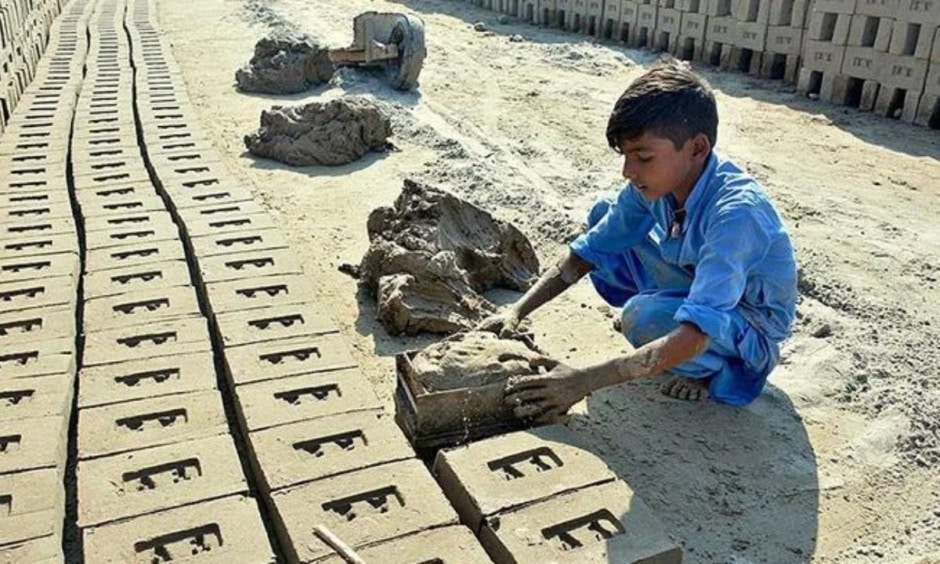
The figures include 12,378 children without uniforms at public places during school hours and 4,516 children in uniform outside school premises. The cameras also flagged 1,052 suspected child labour cases, in which children were seen working at shops, factories and markets. The figures are potential cases that require verification by the relevant departments.
PSCA introduced the AI-based Child Protection System in September to identify children who may be involved in labour or are found outside during school hours. The system analyses surveillance camera footage to flag children at public places, as well as uniformed students outside school premises. Monitoring runs daily between 9:30am and 12:30pm.
The Punjab Census Report 2023 recorded 9,600,164 children aged five to 16 out of school in the province, or 26.98 percent of the school-age population. These included 4.77 million boys and 4.83 million girls. About 6.44 million of them had never attended school, while 3.16 million had enrolled earlier and dropped out.
The Household Integrated Economic Survey 2024-25 put Punjab’s out-of-school rate at 21 percent, the same as in 2018-19. The census data showed a rural-urban divide. In rural areas, 31.53 percent of children were out of school, compared with 19.81 percent in urban areas. Among rural girls, the figure was 33.42 percent.
Educationists cite poverty, child labour, inadequate educational facilities, distance from schools, insufficient classrooms and limited opportunities for older children as factors affecting enrolment and retention.
The provincial government has launched several initiatives to bring children into classrooms. Chief Minister Maryam Nawaz Sharif was informed last year that about 1.1 million out-of-school children had been enrolled through the Punjab Education Foundation. The government has also pursued school outsourcing and public-private partnerships to expand access to education.
The literacy and non-formal basic education department has set up 20,273 informal schools, serving more than 593,000 children across the province. An accelerated learning programme allows older children to complete basic education through flexible arrangements. Authorities are also working to ensure that children enrolled through alternative programmes continue their education.
Punjab Teachers Union General Secretary Rana Liaqat Ali said unemployment, poverty, the rising cost of living and the outsourcing of education were the main reasons children remained out of school, and that the problem had worsened in recent years. He said government schools were the primary means of education for poor families, and that outsourcing had closed the door of learning for many of them.