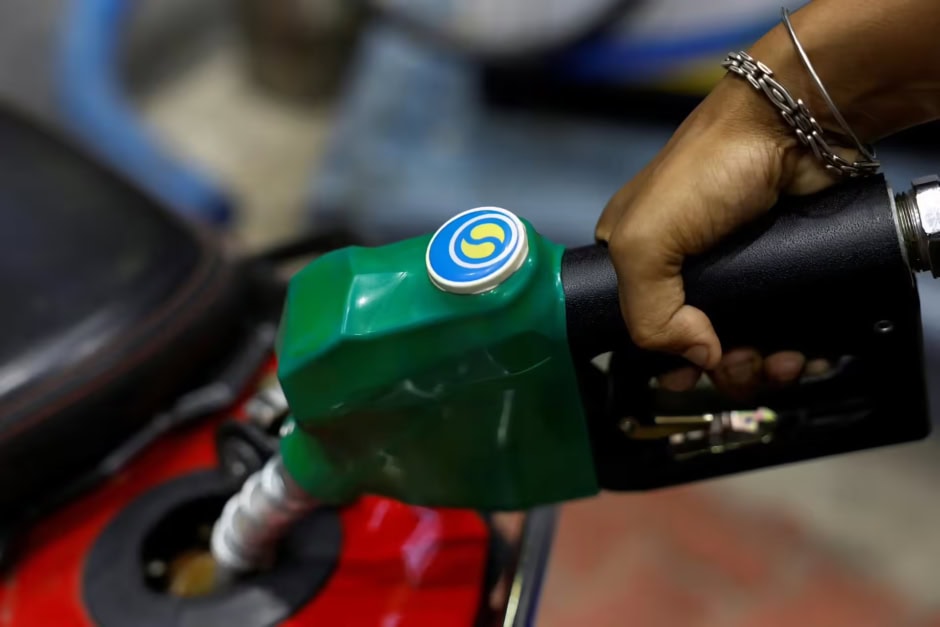
Pakistan appears set for yet another sharp increase in fuel prices, with current international crude benchmarks pointing toward a potential Rs30 per litre addition to both petrol and high‑speed diesel during the next scheduled price revision.
With transport dependent commuters feeling the pressure, the federal government is reportedly considering targeted relief for owners of two and three wheeler vehicles. Following the backlash against the high‑octane tax, authorities are expected to review the PDC (Petroleum Development Levy) and subsidy structure for general petrol and diesel.
Options being discussed include limited period subsidies, differential pricing at the pump, or fuel‑voucher schemes aimed at protecting low‑ and middle‑income riders from the full impact of the anticipated hike.
OGRA Rolls Out Mobile Based Station Level Data Capture
To improve transparency and curb alleged stock manipulation, OGRA (Oil and Gas Regulatory Authority) is urgently deploying a mobile based system that will allow inspectors and field staff to capture fuel‑station data in real time using a dedicated app.
The initiative aims to digitize stock reporting, reduce discrepancies between depot and retail sales, and plug loopholes that contributors to the oil‑industry supply chain have previously exploited.
The government has also constituted special FIA teams to carry out audits and reconciliation of petroleum stocks across depots, refineries, and distribution channels.
These teams are expected to cross‑check physical inventories against digital records and ERP systems, helping to detect anomalies and prevent diversion or smuggling of fuel supplies.
High‑Octane Levy Crushes Demand by Over 50%
The recent sharp increase in the levy on high‑octane petrol appears to be drastically reducing usage, with industry figures showing a more than 50% drop in first‑day sales.
Before the new levy, daily high‑octane sales averaged around 1.6 million litres, but on 23 March 2026, total sales plunged to about 0.7 million litres, indicating that demand may be collapsing rather than merely shifting to regular petrol.
In parallel, federal and provincial authorities are mulling austerity‑style measures to cut fuel consumption across the economy.
Proposals include extending school holidays, expanding work‑from‑home policies in the public sector, and urging businesses to reduce non‑essential travel, all aimed at curbing aggregate demand amid tight international markets and high local prices.
Pakistan’s Fuel Days Cover: 24 Days for Petrol, 28 for Diesel
As of 23 March 2026, Pakistan’s fuel import buffer stands at 24 days of cover for petrol and 28 days for diesel, indicating that stocks are being closely managed but not yet at crisis levels.
Authorities have already secured key petrol cargoes for March and April, and are exploring additional shipments to maintain adequate days‑on‑stock as global rates remain volatile.
To reduce the pressure from high international gasoline and gasoil prices, the government is again reconsidering a national ethanol‑blending program for petrol.
Past trials with E10‑style ethanol‑blended fuel in Pakistan showed modest price savings and environmental benefits; revisiting such a scheme could help insulate domestic pump prices from global swings if the required infrastructure and blending‑ratio policies are finalized.