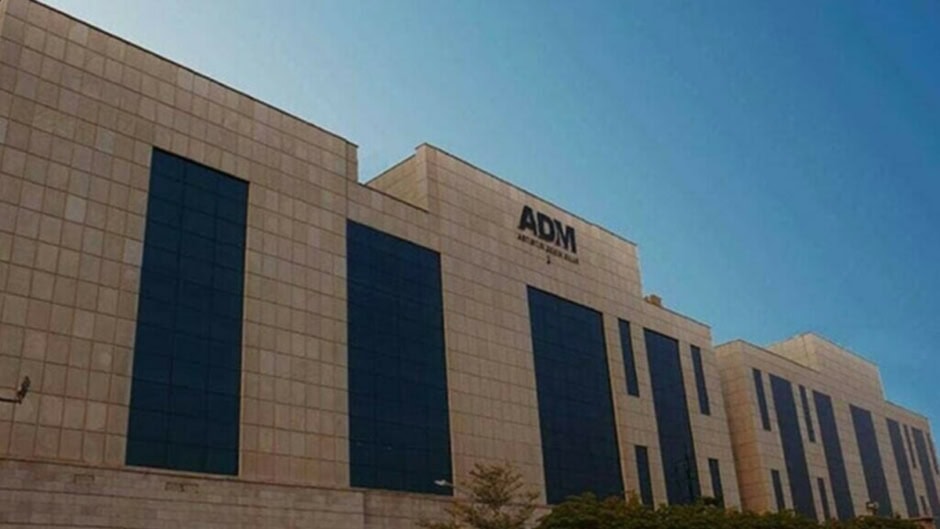
Artistic Denim Mills Limited (ADM) has posted a net loss of Rs451 million for the year ended June 30, 2025, compared to a profit of Rs332 million in the previous fiscal year. The company attributed the downturn to declining turnover, shrinking margins, and reduced profitability across key operations.
According to the financial results released after the board meeting on September 29, 2025, ADM’s turnover fell to Rs18.4 billion in FY25, down from Rs20.8 billion a year earlier. Gross profit dropped sharply to Rs1.1 billion from Rs2.4 billion, while operating profit also slid to Rs498 million compared to Rs1.8 billion in FY24.
The company’s finance costs decreased to Rs707 million from Rs1.2 billion in the prior year. Despite this, ADM moved into negative territory, recording a loss per share of Rs5.37 against earnings per share of Rs3.95 in FY24.
Balance Sheet Performance
ADM’s total assets increased to Rs24.5 billion as of June 30, 2025, from Rs22.8 billion last year. Equity, however, slipped to Rs7.7 billion from Rs8.1 billion. Stock-in-trade rose significantly to Rs7.3 billion, while short-term borrowings jumped to Rs10.3 billion compared to Rs7.3 billion in FY24, reflecting higher financing needs.
The company reported a major shift in operating cash flows, using Rs2.2 billion in FY25 compared to generating Rs1.7 billion in FY24. This reversal highlights pressure on liquidity amid weakening profitability.
The Board of Directors announced no dividend, bonus, or right shares for the fiscal year. The Annual General Meeting (AGM) is scheduled for October 25, 2025, with share transfer books to remain closed from October 17 to October 25, both days inclusive.
Artistic Denim Mills’ swing from profit to loss in FY25 underscores the impact of declining sales, rising borrowing, and shrinking margins. The company’s future performance will depend on managing its cost structure and restoring export competitiveness.