High Taxes & Low Demand Prompt Operations Cut in Textile Sector

 2 min read
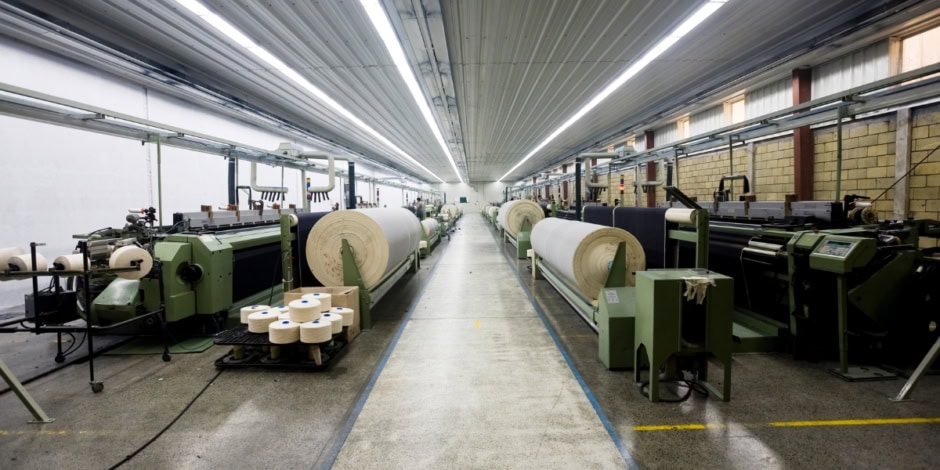
A key player in Pakistan’s textile sector, Ashfaq Textile Mills Ltd, has suspended a significant portion of its operations. The Punjab-based textile firm announced this decision today, December 11, 2025. The company cited weak demand for woven fabrics as the primary driver for this move.
In a formal notice to the Pakistan Stock Exchange (PSX), the company highlighted “unfavourable market conditions”. Consequently, the Board of Directors resolved to cut production to align with the current economic reality.
Specifically, the company has halted the operation of 85 Sulzer looms. This reduction affects their production facility located at the 18th km, Faisalabad Jaranwala Road. Previously, the plant operated with a total capacity of 243 Sulzer looms.
Management stated that this reduction will help avoid the forced sales of fabrics. The demand for these goods has gone down drastically. Furthermore, the company is currently evaluating various strategic alternatives to navigate these challenges.
Ashfaq Textile Mills Limited was incorporated in January 1988. It engages in manufacturing textiles and providing sizing and conversion services.
This development highlights a broader downturn in the country’s textile sector. As Pakistan’s largest generator of export receipts, the industry is struggling. According to the Pakistan Bureau of Statistics, the textile sector declined by 0.15% during July-August FY26 compared to the same period last year.
Industry leaders are raising alarms. S. M. Tanveer, Patron-in-Chief of the Federation of Pakistan Chambers of Commerce & Industry (FPCCI), warned that the sector is collapsing fast. He blamed the region’s highest interest rates and tax rates for killing the industry.
Moreover, exporters are facing a heavy tax burden. Tanveer noted that exporters must pay a 2% advance tax on turnover. This is double the rate that domestic businesses pay.

Bioscientist x Tech Analyst. Dissecting the intersection of technology, science, gaming, and startups with professional rigor and a Gen-Z lens. Powered by chai, deep-tech obsessions, and high-functioning anxiety. Android > iOS (don’t @ me).
Related Posts

ADB Upgrades Pakistan’s Economic Growth Forecast for 2025-26
2 min read

PSX Names Top 25 Companies for 2024: Engro & FFC Among Top Performers
2 min read
NayaPay Partners With Alipay+ to Bring Global QR Payments to Pakistan
3 min read

IMF Completes Pakistan’s EFF & RSF Reviews: SDR 914M Received by SBP
3 min read
Latest News