
Bitcoin may face a prolonged recovery period if prices fall below the critical $60,000 level, with new data suggesting a return to all-time highs could be delayed until 2027.
The leading cryptocurrency has already erased its March gains and is down over 24% in the first quarter of 2026, reflecting broader market weakness and increasing bearish sentiment.
According to analysis by Ecoinometrics, the depth of Bitcoin’s price correction plays a key role in determining how long it takes to recover. Historically, every additional 10% drop in price adds around 80 days to the recovery timeline.
At its current drawdown of nearly 48% from the October 2025 peak of $126,000, Bitcoin’s recovery cycle is estimated at roughly 300 days. However, analysts warn that the bottom may not yet be in.
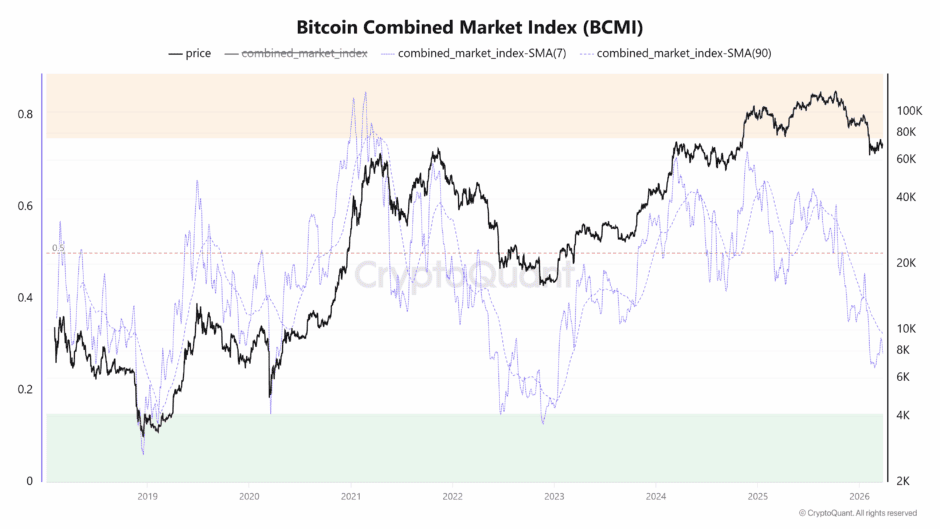
The Bitcoin Combined Market Index, which tracks overall market health, is currently above levels typically associated with market bottoms indicating further downside could still be ahead.
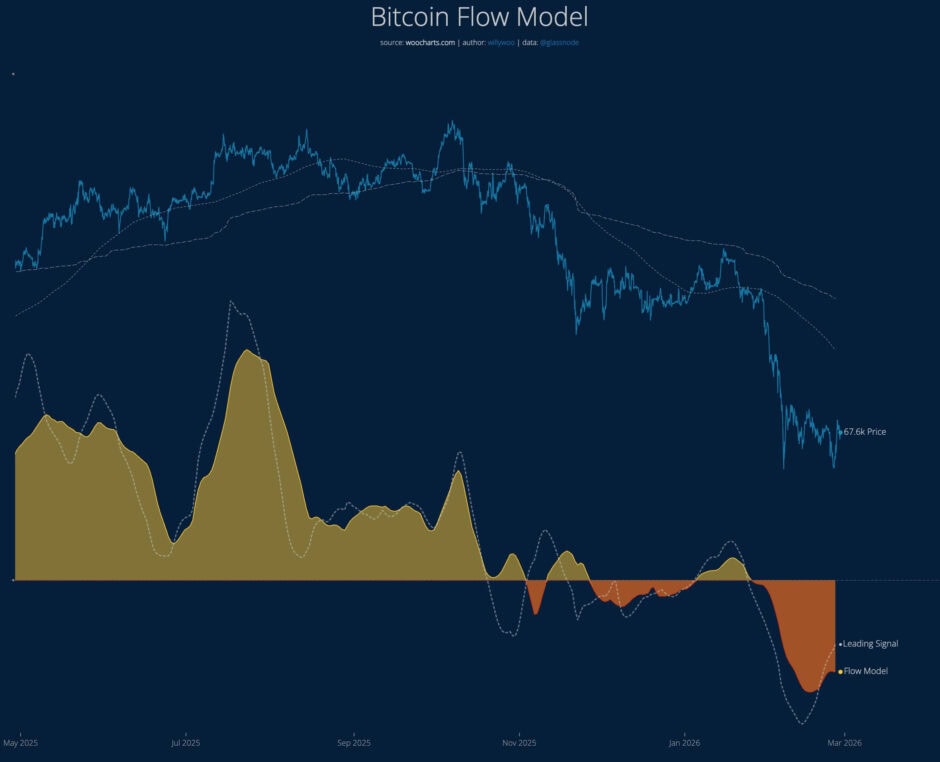
Market data shows increased selling pressure from large investors, often referred to as “whales.” Analysts note that heavy distribution by these major players suggests the current price levels are under significant stress.
Crypto analyst Willy Woo has also pointed to weakening liquidity conditions in both spot and futures markets, reinforcing the bearish outlook.
He estimates that Bitcoin could fall further into the $40,000–$45,000 range, which aligns with historical bear market bottoms.
If Bitcoin drops to these lower levels, the total drawdown could exceed 60%, significantly extending the recovery period. Based on historical patterns, such a decline could push the full recovery timeline to around 440 days from the peak placing a potential return to previous highs sometime after Q2 2027.
However, analysts caution that these projections are based on past cycles and may vary depending on current macroeconomic conditions, including interest rate trends and global liquidity.
Despite the bearish outlook, experts emphasize that market cycles are dynamic, and unexpected shifts could alter Bitcoin’s recovery trajectory.