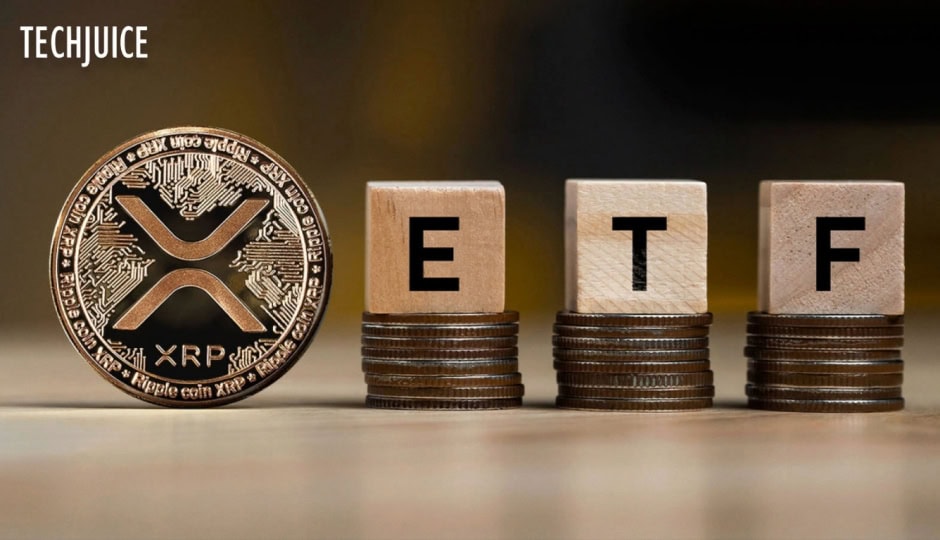
Brazil’s securities regulator, the Comissão de Valores Mobiliários (CVM), has granted approval for the country’s first-ever spot XRP exchange-traded fund (ETF). The Hashdex Nasdaq XRP Index Fund, which will trade on Brazil’s B3 stock exchange, marks a significant milestone in the cryptocurrency investment landscape.
The trading value of XRP has increased by 8% over the past 24 hours, as indicated by the confirmation date of February 19. Hashdex, a Brazilian fund manager, intends to provide additional information regarding its crypto ETF trading schedule. Despite providing Bitcoin, Ethereum, Solana, DeFi, and Web3 thematic funds, as well as other cryptocurrency ETFs in Brazil, the company has not yet announced official dates.
Currently, the U.S. Securities and Exchange Commission (SEC) is reviewing numerous spot XRP ETF applications from Nasdaq and Cboe BZX. The investment firms responsible for the filings are CoinShares, Canary Capital, and WisdomTree.
Brazil’s approval of the asset resulted in a significant increase in XRP prices, which rose by 7.8% to $2.72. This decrease in the present disparity between the asset’s previous all-time high and its current price was 20%. The framework that has been recently approved has the potential to attract additional institutional institutions to the adoption of XRP.
The BBRL stablecoin, which will be correlated to the Brazilian real (BRL) and operate on the XRP Ledger platform, is prepared to be introduced by the Braza Group, a financial entity based in Brazil. Braza Bank, which exclusively conducts international payment transactions and foreign exchange transactions, provides support for the stablecoin BBRL. Although Braza Bank does not rank among the top ten financial institutions in Brazil in terms of assets or deposits, it is the largest exchange bank in the country.
During a media interview, Marcelo Sacomori, the CEO of Braza Group, emphasised the company’s commitment to regulatory compliance standards and the maintenance of robust security. The stablecoin is anticipated to be launched for institutional clients in the first quarter of 2025, with business-to-consumer markets becoming accessible at a later date. By the end of 2026, Braza Bank’s CEO anticipates that BBRL will account for 30% of the Brazilian market.
Brazil’s Growing Crypto Market and Central Bank Initiatives
The central bank of Brazil is conducting research on blockchain-based financial solutions, while private sector enterprises are driving innovation. The Braza Group assists the central bank in the development of blockchain technology to convert assets into tokens, and the establishment of infrastructure for digital financial services and the facilitation of cross-border remittances, through its participation in DREX.
According to Gabriel Galipolo, the Chief Central Bank official, Brazil is currently experiencing a significant increase in the use of crypto assets, with stablecoins accounting for 90% of all crypto transactions in the country. DREX, a digital economy service, is designed to improve credit efficiency by leveraging digital collateral assets. However, it does not meet the criteria for a central bank digital currency (CBDC).
The XRP spot ETF’s adoption in Brazil has altered market dynamics and created opportunities for other countries to develop comparable rule-based investment products. According to analysts, the standardisation of the XRP ETF will enhance the perception of the asset among institutional investors, thereby promoting long-term price growth and network development.
As Brazil takes a leading role in regulated crypto investment, the global financial community will be closely watching how this decision influences the broader market and whether other regulatory bodies follow suit.