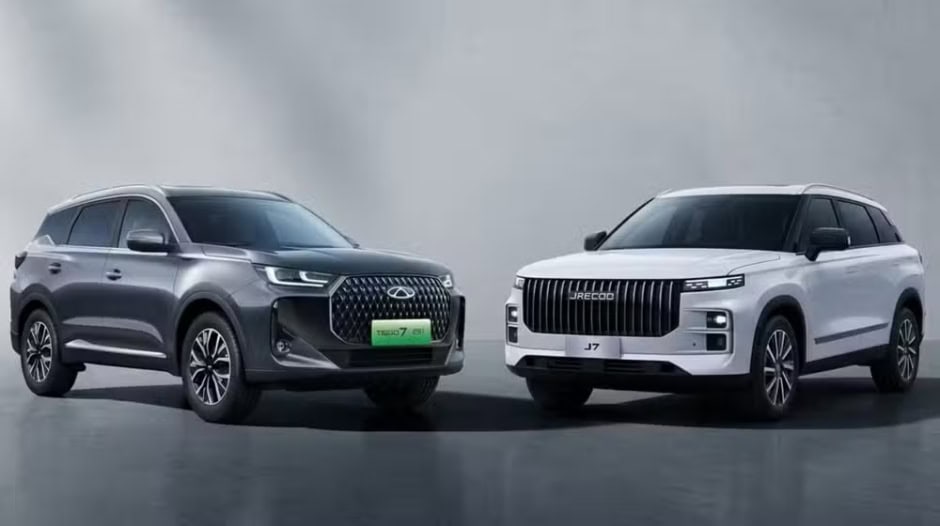
Pakistan’s hybrid SUV space is starting to heat up, as Chery brings a new contender to the market. The Tiggo 7 PHEV made its official debut today, on Friday, stepping into a segment where the Jaecoo J7 PHEV has already gained early attention. Both models now stand face to face, targeting buyers who want performance with better fuel efficiency.

At a glance, the two SUVs look closely matched in size, with only small differences. The Tiggo 7 PHEV measures 4,553 mm in length, 1,862 mm in width, and 1,696 mm in height. It also offers a wheelbase of 2,670 mm. In comparison, the J7 PHEV is slightly shorter at 4,500 mm. However, it is a bit wider at 1,865 mm and stands 1,670 mm tall. Its wheelbase comes in at 2,672 mm, which is slightly longer.
Performance remains one of the strongest similarities between the two vehicles. Both SUVs produce 342 horsepower and 525 Nm of torque. In addition, each model uses an 18.3 kWh battery pack. As a result, both deliver an electric-only range of around 90 kilometers under WLTP standards. This makes them practical for daily urban driving.
When it comes to acceleration, the difference is minimal. The Tiggo 7 PHEV reaches 0 to 100 km/h in 8.4 seconds. Meanwhile, the J7 PHEV completes the same sprint in 8.5 seconds. Although the gap is small, it still gives Tiggo a slight edge.
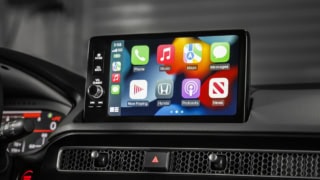
Inside the cabin, both SUVs offer modern tech features. The Tiggo 7 PHEV includes a 12.3-inch infotainment system with eight Sony speakers. On the other hand, the J7 PHEV comes with a larger 14.8-inch display. It also features a similar speaker setup, which keeps the audio experience comparable.
Pricing, however, creates a clearer difference between the two. The Tiggo 7 PHEV enters the market at Rs. 9,499,000. In contrast, the J7 PHEV is priced higher at Rs. 10,499,000. This gap may play a key role in buyer decisions. Overall, both SUVs offer nearly identical specifications in core areas. Therefore, the final choice may depend on price, design, and preferred features.